

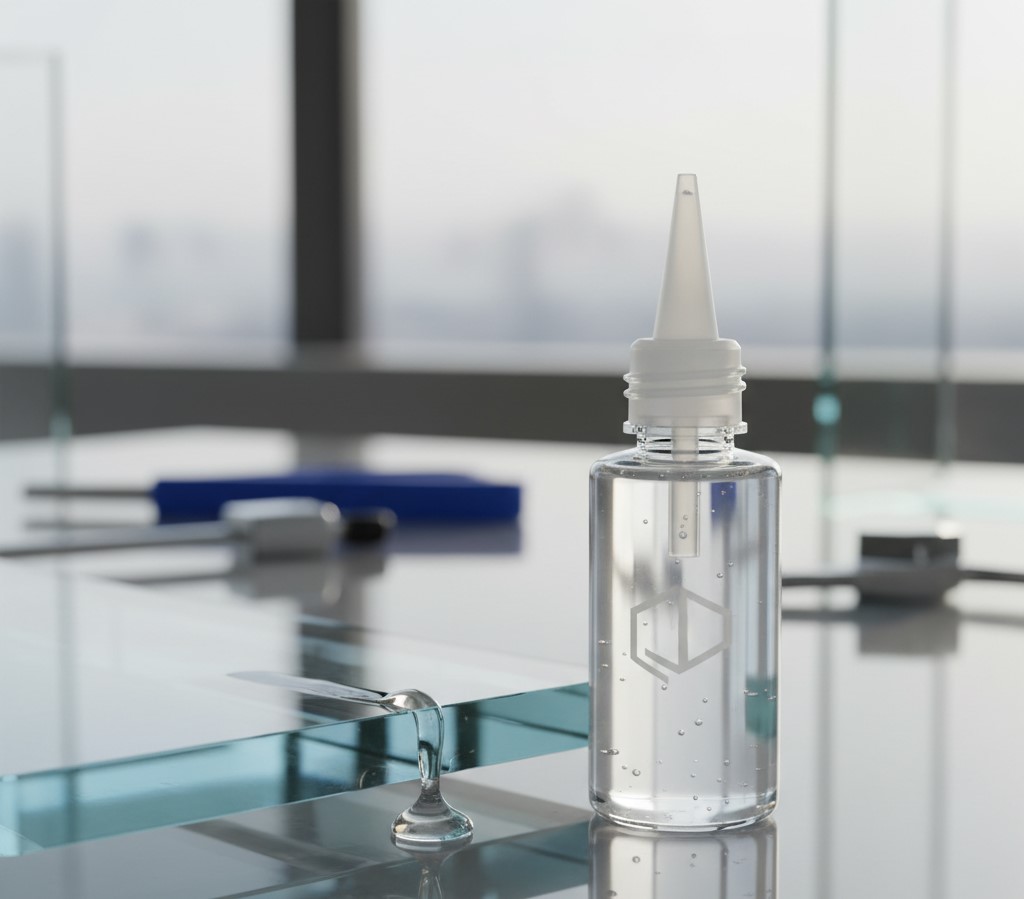
The Glass Bonding Adhesive Market is on an impressive growth trajectory, with its valuation projected to rise from USD 4.2 billion in 2025 to USD 7.4 billion by 2035, representing a compound annual growth rate (CAGR) of 5.7%. This growth is driven by surging demand for durable, transparent, and high-performance adhesive solutions that cater to industries ranging from furniture and automotive to electronics and medical devices.
Market Momentum: Why the Growth?
Glass bonding adhesives have become an indispensable solution for manufacturers aiming to deliver products that combine strength, clarity, and design appeal. Unlike mechanical fasteners, these adhesives ensure seamless bonding without compromising the aesthetics or structural stability of glass-based products.
Key drivers behind this growth include:
- Technological advancements in UV-curable and hybrid formulations that enhance curing speed, strength, and resistance to environmental stressors.
- Rising demand in modern design and architecture, where lightweight and transparent glass solutions are integral to high-end furniture and interiors.
- Automated production lines, where adhesives integrate smoothly, ensuring efficiency and scalability.
- Environmental compliance pressures, encouraging adoption of low-VOC and eco-friendly adhesive formulations.
Quick Stats for the Glass Bonding Adhesive Market
- Market Value (2025): USD 4.2 billion
- Forecast Value (2035): USD 7.4 billion
- CAGR (2025–2035): 5.7%
- Leading Product Type (2025): UV Curable Acrylate (33.5% share)
- Leading End-Use Industry (2025): Furniture (39.6% share)
- High-Growth Regions: North America, Asia-Pacific, and Europe
Segmental Insights
By Type:
The UV Curable Acrylate segment is set to dominate, holding 33.5% of market revenue in 2025. Its popularity stems from rapid curing capability, strong bonding, and compatibility with diverse substrates such as glass, plastics, and metals. On-demand curing using UV light allows manufacturers to minimize waste, speed up production, and achieve scratch-resistant, optically clear finishes. These adhesives are particularly vital for decorative glass, high-end furniture, and display technologies.
By End-Use Industry:
The furniture segment will remain the largest application sector, accounting for 39.6% of revenues in 2025. Consumers are increasingly drawn to modern, elegant glass furniture designs. Adhesives play a crucial role in enabling manufacturers to deliver seamless, safe, and durable products that meet aesthetic demands while withstanding structural loads. The integration of adhesives into robotic assembly lines is further streamlining production, reinforcing this segment’s leadership position.
Regional Outlook
Regional momentum reflects both established and emerging opportunities:
- China (CAGR 7.7%) and India (7.2%) are set to drive global market expansion with robust manufacturing ecosystems and rising consumption of glass-based products.
- Germany (6.6%) and France (6.0%) will continue to anchor Europe’s stronghold in innovation-driven adhesive technologies.
- USA is projected to rise from USD 1.5 billion in 2025 to USD 2.4 billion in 2035, growing steadily at 4.9% CAGR, supported by demand in automotive and architectural sectors.
- Brazil represents slower but steady growth (4.3%), reflecting untapped potential in South America.
This broad-based growth highlights how both developed and emerging markets are fueling long-term demand for advanced adhesive technologies.
Competitive Landscape
The Glass Bonding Adhesive market features a dynamic mix of global leaders and innovative challengers, all racing to refine adhesive chemistry, expand portfolios, and meet evolving industry needs.
Established Players Driving Innovation:
- Henkel AG & Co. KGaA, H.B. Fuller Company, and 3M Company continue to lead the pack, leveraging decades of expertise and expansive R&D pipelines to deliver advanced solutions across multiple industries.
- The Dow Chemical Company and Ashland Inc. remain critical to pushing forward eco-friendly and performance-enhanced formulations.
- Sika A.G. is strengthening its global presence with innovations in both construction and industrial applications.
Emerging Innovators:
- Dymax Corporation and Permabond Engineering Adhesives are carving out a reputation for fast-curing, specialty adhesives tailored to electronics and precision industries.
- Bohle Group, KIWO, and ThreeBond Holdings Co., Ltd. are making significant strides by offering niche solutions for decorative glass, optical bonding, and automotive applications.
This competitive interplay between established giants and emerging players is fostering healthy innovation, wider adoption, and more tailored adhesive technologies across industries.
Market Outlook
The outlook for the Glass Bonding Adhesive market is optimistic and opportunity-rich. From skyscrapers clad in seamless glass panels to sleek smartphones, luxury furniture, and advanced medical equipment, the applications are broad and growing. As sustainability pressures rise, manufacturers will focus more on low-VOC, recyclable, and durable adhesive technologies that align with regulatory compliance and consumer expectations.
Furthermore, as Industry 4.0 technologies continue to shape manufacturing, the integration of adhesives into automated and robotic lines will accelerate efficiency and consistency. The result is a market that not only grows in size but also in sophistication, creating opportunities for both established leaders and new entrants to carve their niche.
Key Takeaways
- The Glass Bonding Adhesive Market is projected to expand from USD 4.2 billion in 2025 to USD 7.4 billion in 2035, at a 5.7% CAGR.
- UV Curable Acrylate adhesives will lead with 33.5% share in 2025, driven by rapid curing and high strength.
- Furniture applications will dominate with 39.6% of revenues, supported by demand for premium glass-based designs.
- China and India will post the fastest growth rates, while the USA and Europe maintain strong, steady momentum.
- Competition is heating up as established manufacturers and new players alike invest in advanced technologies and sustainability-driven innovation.
Grab This Report Now at Just $5000 | Limited-Time Discount Offer! https://www.futuremarketinsights.com/reports/sample/rep-gb-2602
Checkout Now to Access Industry Insights: https://www.futuremarketinsights.com/checkout/2602
About Future Market Insights (FMI)
Future Market Insights, Inc. (ESOMAR certified, recipient of the Stevie Award, and a member of the Greater New York Chamber of Commerce) offers profound insights into the driving factors that are boosting demand in the market. FMI stands as the leading global provider of market intelligence, advisory services, consulting, and events for the Packaging, Food and Beverage, Consumer Technology, Healthcare, Industrial, and Chemicals markets. With a vast team of over 400 analysts worldwide, FMI provides global, regional, and local expertise on diverse domains and industry trends across more than 110 countries.
Contact Us:
Future Market Insights Inc.
Christiana Corporate, 200 Continental Drive,
Suite 401, Newark, Delaware – 19713, USA
T: +1-347-918-3531
For Sales Enquiries: sales@futuremarketinsights.com
Website: https://www.futuremarketinsights.com
LinkedIn| Twitter| Blogs | YouTube




