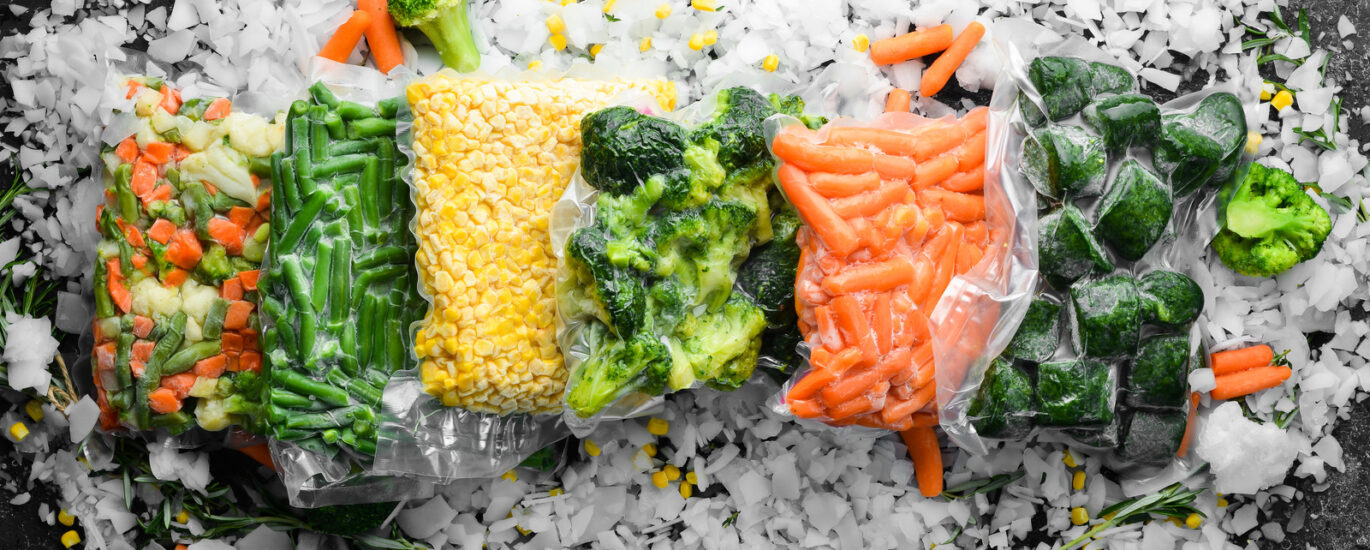
The Middle East and North Africa frozen food market is entering a new phase of growth as urban lifestyles, modern retail penetration, and consumer demand for convenient meals continue to reshape the region’s food landscape. Valued at USD 1.4 billion in 2025, the market is projected to reach USD 1.8 billion by 2035, registering a CAGR of 2.5%. Over the next decade, the sector is expected to create an absolute dollar opportunity of USD 0.4 billion, reflecting steady and sustainable expansion.
For Tailored Insights and Customization, Connect With Us Here: https://www.futuremarketinsights.com/reports/sample/rep-nf-243
Convenience and Lifestyle Trends Fuel Growth
The market’s evolution is underpinned by a growing appetite for ready-to-eat and ready-to-cook meals, particularly among busy households, expatriates, and young professionals across the Gulf region. With urbanization accelerating and more dual-income families seeking quick yet nutritious meal options, frozen foods have gained a prominent role in everyday consumption.
The appeal lies not only in long shelf-life and convenience but also in the year-round availability of seasonal produce like fruits, vegetables, and seafood—an essential factor in hot climates where food preservation is a challenge.
By 2030, the market is expected to touch USD 1.6 billion, with incremental gains split almost evenly between the first and second half of the forecast period. This steady pace underscores the role of innovation, premiumization, and product diversification in driving consumer demand.
Market Dynamics: From Fruits to Ready Meals
Among product types, frozen fruits and vegetables command nearly 20% of the market, supported by consistent household and foodservice demand. Innovations such as individual quick freezing (IQF) technology and premium blends of berries and vegetable kits are helping brands capture higher value while assuring freshness and nutrition retention.
On the other hand, the ready-to-eat (RTE) segment leads with a commanding 40% market share in 2025. With busy city lifestyles, expanding e-commerce channels, and rising HoReCa demand, RTE products like ethnic meals, health-focused bowls, and premium snacks continue to gain traction.
Regional Growth Hotspots
The UAE and Saudi Arabia are emerging as the fastest-growing markets, recording CAGRs of 9.2% and 9.1% respectively.
- UAE: A rising expatriate population, booming tourism, and advanced cold chain infrastructure are driving demand for premium frozen meals, seafood, and desserts. E-commerce platforms are making these products more accessible to urban consumers.
- Saudi Arabia: Vision 2030 reforms are transforming the retail landscape, fueling demand for frozen poultry, seafood, and bakery products. The country’s growing working-age population favors convenient, healthy, and international frozen offerings.
- Qatar, Kuwait, and Egypt are also seeing steady demand, with Qatar leaning toward premium frozen categories, Kuwait focusing on high-end imports, and Egypt prioritizing affordable, bulk-pack frozen products for its expanding middle class.
Key Players: Balancing Scale and Innovation
The market is moderately consolidated, with General Mills Inc. holding an estimated 18% share through its diverse portfolio and strong retail reach. Nestlé S.A., Al Kabeer Group, Sunbulah Group, and Kraft Heinz Company are among the other leading players, leveraging global expertise, robust supply chains, and localized offerings to strengthen consumer trust.
While global giants dominate with scale, regional players are rising quickly by focusing on Halal-certified products, localized taste profiles, and value-driven pricing. This blend of established powerhouses and agile newcomers is reshaping competition, pushing the market toward greater innovation.
Technology and Retail Transformation
Advances in freezing technologies such as IQF and cryogenic freezing are enabling manufacturers to deliver superior taste, texture, and nutrient retention. Combined with modern retail formats—supermarkets, hypermarkets, and e-commerce grocery platforms—these innovations are making frozen foods more accessible than ever.
At the same time, investments in cold chain infrastructure are critical to maintaining quality and reducing spoilage, particularly in import-dependent North African countries. Partnerships between producers, logistics firms, and large retail groups are expanding freezer capacity and product variety across markets.
Health, Premiumization, and Sustainability
Consumers in MENA are increasingly health- and quality-conscious, driving demand for fortified, organic, and plant-based frozen meals. Frozen fruits and vegetables are gaining recognition for retaining nutrients, while premium offerings with reduced sodium, gluten-free options, and sustainable packaging are capturing growing market segments.
Premiumization is also shaping marketing strategies, as brands highlight convenience, taste, and health benefits to connect with evolving consumer lifestyles.
Looking Ahead
Despite challenges such as import dependency, cold chain gaps, and energy costs, the outlook for the MENA frozen food market remains positive. Tourism growth, modernization of retail, and digital grocery expansion are creating new avenues for both established players and emerging manufacturers.
As consumer preferences evolve, companies that invest in technology, premium product development, and localized strategies are well-positioned to capture growth. The competitive landscape will continue to balance the strengths of multinational giants with the innovation of regional and niche players.
Get PDF Brochure: https://www.futuremarketinsights.com/reports/brochure/rep-nf-243
About the Report
This press release is based on the study “Middle East and North Africa Frozen Food Market Size and Share Forecast Outlook 2025 to 2035”, which provides a detailed analysis of growth drivers, restraints, opportunities, competitive landscape, and regional insights shaping the market’s future.
About Future Market Insights (FMI)
Future Market Insights, Inc. (ESOMAR certified, recipient of the Stevie Award, and a member of the Greater New York Chamber of Commerce) offers profound insights into the driving factors that are boosting demand in the market. FMI stands as the leading global provider of market intelligence, advisory services, consulting, and events for the Packaging, Food and Beverage, Consumer Technology, Healthcare, Industrial, and Chemicals markets. With a vast team of over 400 analysts worldwide, FMI provides global, regional, and local expertise on diverse domains and industry trends across more than 110 countries.
Contact Us:
Future Market Insights Inc.
Christiana Corporate, 200 Continental Drive,
Suite 401, Newark, Delaware – 19713, USA
T: +1-347-918-3531
For Sales Enquiries: sales@futuremarketinsights.com
Website: https://www.futuremarketinsights.com
LinkedIn| Twitter| Blogs | YouTube