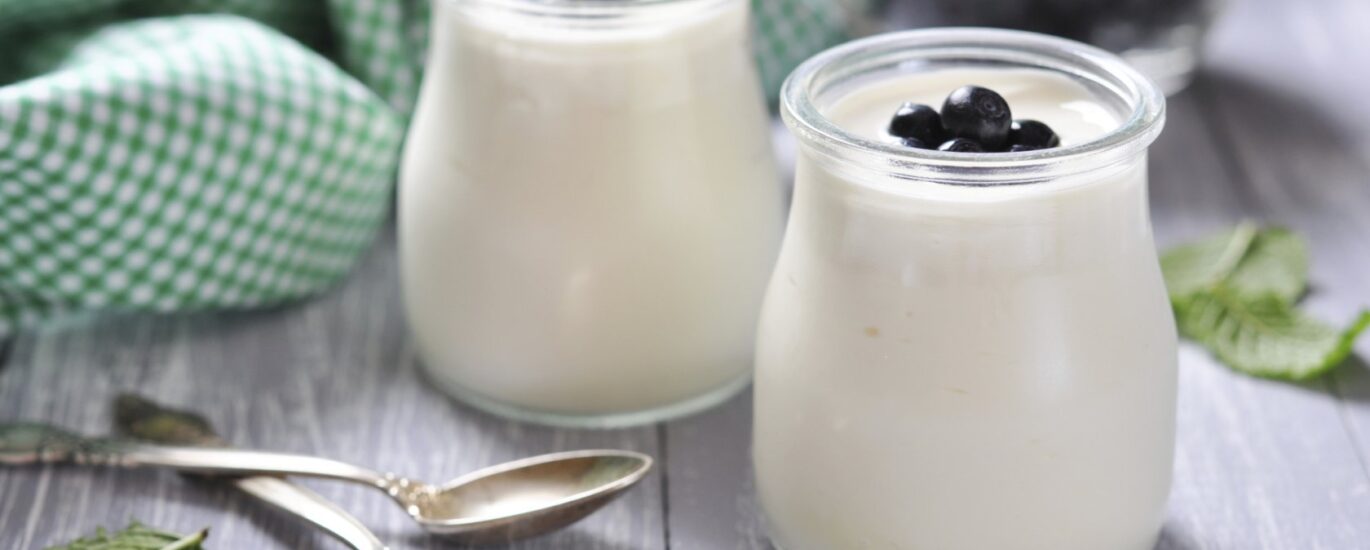
The global non-dairy yogurt market is entering a new phase of growth, projected to increase from USD 2.1 billion in 2025 to USD 3.2 billion by 2035, reflecting a CAGR of 4.3%. With a 52.4% rise in market value over the decade, non-dairy yogurt is no longer a niche product—it has firmly secured its place in mainstream dietary choices across the globe.
Get the Comprehensive Report – Available on Request: https://www.futuremarketinsights.com/reports/sample/rep-gb-4120
Growing Demand for Dairy Alternatives
The market expansion is underpinned by increasing consumer awareness of plant-based diets, lactose intolerance, and clean-label food preferences. Social media, nutritionists, and wellness influencers continue to shape consumption habits, encouraging consumers to seek out alternatives that combine taste, nutrition, and sustainability.
From almonds, oats, coconuts, and soy to emerging bases such as peas and rice, manufacturers are racing to develop innovative formulations that balance health benefits with the familiar textures and flavors of traditional yogurt.
Market Momentum Between 2025 and 2030
The first half of the forecast period will see the most significant acceleration, with the market adding USD 0.6 billion by 2030, representing more than half of the total decade-long growth. This phase will be driven by premium product launches, sustainability-focused portfolios, and rising adoption of non-dairy alternatives in emerging markets.
Spoonable Yogurt Leads the Way
Among product formats, spoonable non-dairy yogurt dominates, projected to hold 57% of market share in 2025. Its appeal lies in the traditional yogurt experience—easy to pair with fruits, nuts, or granola—and its compatibility with both breakfast and snack occasions. Retailers are reinforcing this trend by dedicating more shelf space to spoonable varieties, which remain central to consumer familiarity and market growth.
Retail and Online Expansion
The B2C segment, expected to account for 68% of sales in 2025, continues to be the strongest distribution channel. Supermarkets, hypermarkets, and specialty health stores are expanding shelf visibility, while e-commerce and direct-to-consumer platforms are accelerating growth with convenient home delivery and personalized nutrition offerings. Online reviews and influencer marketing are further fueling adoption, particularly among younger demographics.
Regional Growth Hotspots
Global momentum is led by fast-growing regions such as India (5.3% CAGR), China (5.1%), and South Korea (4.9%), where rising health consciousness, urbanization, and advanced food innovation are driving demand.
- China is witnessing strong e-commerce-driven adoption of premium plant-based products.
- India’s cultural familiarity with plant-based diets positions it as a natural fit for non-dairy yogurt.
- South Korea and Japan are integrating advanced fermentation and traditional expertise to create premium, science-backed formulations.
- In Europe, Germany, France, and the UK continue to drive growth through clean-label, organic, and premium positioning.
Established Leaders and New Innovators
The competitive landscape brings together both global giants and emerging innovators.
- General Mills, Danone, Nestlé, and Chobani are leveraging global supply chains and R&D capabilities to refine taste, enhance probiotics, and expand product portfolios.
- The Hain Celestial Group, Forager Project, and Stonyfield Farm are strengthening their organic and natural-focused product lines.
- Valio, Daiya Foods, and Springfield Creamery emphasize sustainable ingredient sourcing, clean-label practices, and dietary-specific solutions.
Emerging manufacturers and startups are also gaining traction by experimenting with fermentation technologies, functional fortification (e.g., probiotics, omega-3s, adaptogens), and waste-upcycling initiatives. These innovations are helping smaller players carve out niches while appealing to eco-conscious and health-driven consumers.
Technology as a Growth Catalyst
Advanced food technologies are reshaping the industry. Manufacturers are investing in next-generation fermentation systems, plant-based probiotic cultures, and stabilization methods to replicate the creamy texture of dairy yogurt. These advancements not only improve taste and nutritional quality but also extend shelf life and open pathways to new formulations tailored to personalized nutrition trends.
Market Drivers and Challenges
Key drivers include:
- Growing awareness of digestive health and probiotic benefits
- Rising demand for allergen-free and lactose-free alternatives
- Expansion of sustainable and ethical food systems
Challenges remain in the form of higher production costs, raw material price fluctuations, and consumer taste preferences still leaning toward dairy-based options. However, innovation in sourcing and processing is helping bridge this gap.
Stakeholder Role in Shaping the Market
- Governments can drive adoption through incentives for plant-based processing and R&D support.
- Industry bodies are building alliances between brands, suppliers, and retailers to scale plant-based solutions globally.
- OEMs and food-tech players are introducing IoT-enabled fermentation systems and co-developing functional products.
- Suppliers and farmers are increasingly adapting to organic and traceability standards.
- Investors are fueling growth by backing startups and mid-sized brands targeting Gen Z and health-conscious consumers.
Get the Report Brochure Now: https://www.futuremarketinsights.com/reports/brochure/rep-gb-4120
Looking Ahead
By 2035, the non-dairy yogurt market will be 1.52X larger than in 2025, reflecting a fundamental shift in how consumers approach nutrition, sustainability, and wellness. With spoonable formats, digital retail expansion, and advanced fermentation technologies leading the way, both established manufacturers and new entrants are well-positioned to shape the future of plant-based nutrition.
As consumer lifestyles continue to evolve, non-dairy yogurt will not only be a healthier alternative but also a cornerstone of climate-smart, sustainable food systems worldwide.
About Future Market Insights (FMI)
Future Market Insights, Inc. (ESOMAR certified, recipient of the Stevie Award, and a member of the Greater New York Chamber of Commerce) offers profound insights into the driving factors that are boosting demand in the market. FMI stands as the leading global provider of market intelligence, advisory services, consulting, and events for the Packaging, Food and Beverage, Consumer Technology, Healthcare, Industrial, and Chemicals markets. With a vast team of over 400 analysts worldwide, FMI provides global, regional, and local expertise on diverse domains and industry trends across more than 110 countries.
Contact Us:
Future Market Insights Inc.
Christiana Corporate, 200 Continental Drive,
Suite 401, Newark, Delaware – 19713, USA
T: +1-347-918-3531
For Sales Enquiries: sales@futuremarketinsights.com
Website: https://www.futuremarketinsights.com
LinkedIn| Twitter| Blogs | YouTube