

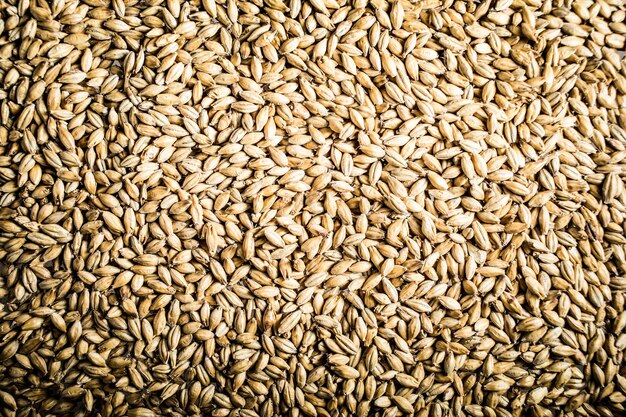
The global white wheat malt market is poised for steady expansion, projected to grow from an estimated USD 1.0 billion in 2025 to USD 1.5 billion by 2035, representing a compound annual growth rate (CAGR) of 4.2%. This growth trajectory reflects rising consumer demand for specialty wheat beers, expanding craft beer production, and increased adoption in food and distilling applications.
The market’s evolution is being fueled by several key dynamics. Specialty and craft beers are driving demand for high-quality malt with distinct flavor profiles, while natural and health-conscious ingredients are gaining traction in bakery, snack, and other food products. Technological advancements in malting are improving quality, consistency, and nutritional value, allowing producers to innovate with organic, specialty, and value-added malt variants.
For Tailored Insights and Customization, Connect With Us Here – https://www.futuremarketinsights.com/reports/sample/rep-gb-8126
Brewing Leads the Market with 60% Share
The brewing segment dominates the white wheat malt market, accounting for 60% of the overall share in 2025. White wheat malt is particularly valued in specialty wheat beers and craft brews for its ability to impart smooth texture, distinctive flavor, and improved fermentation efficiency. The expansion of craft breweries across North America and Asia-Pacific is expected to sustain strong demand for white wheat malt.
Distilling follows with a 28% share, driven by the demand for high-quality spirits such as whiskey and vodka. Meanwhile, food and beverage applications, including bakery products and health-oriented snacks, contribute nearly 22% of the market. Specialty malts, representing 18% of the market, are increasingly sought for artisanal beverages and premium food formulations, underscoring their versatility in flavor, color, and texture enhancement.
Technological Innovation and Product Diversification
Established players like Cargill Incorporated, Simpsons Malt Limited, and Gladfield Malt are leveraging advanced malting technologies to strengthen their positions. Their innovation pipelines focus on organic and specialty malts, as well as value-added formulations tailored for premium brewing and health-conscious food sectors. Emerging manufacturers are also exploring opportunities to expand production capacities, collaborate with craft breweries, and introduce novel malt variants to meet evolving consumer preferences.
Advances in malting technology are enabling producers to achieve better consistency and quality, while partnerships with craft breweries, distilleries, and food manufacturers are broadening market reach. Digital and specialty retail channels are facilitating access to diverse markets, reshaping traditional malt usage and supporting premium positioning.
Regional Insights: North America and Asia-Pacific Lead Growth
The white wheat malt market exhibits strong growth across multiple geographies, with India leading at a CAGR of 5.3%, followed by Canada (5.2%) and the United States (5.1%). Growth in India is supported by urbanization, rising disposable incomes, and the expansion of craft breweries, alongside government initiatives promoting food processing and alcohol production. Canada’s market benefits from a thriving craft beer scene, sustainability-focused production, and rising consumer interest in organic and specialty malt products. The U.S. market continues to expand through investments in production capacity, technological advancements, and collaborations with microbreweries and craft distilleries.
China shows steady growth at 5.0%, fueled by rising incomes, modern malting facilities, and increasing malt incorporation in bakery and snack applications. Japan grows at 4.9%, balancing traditional brewing excellence with modern craft innovation. Germany (3.6%) and the U.K. (3.5%) reflect moderate growth, supported by premium malt production, craft beer resurgence, and export opportunities.
Market Drivers, Trends, and Opportunities
Consumer preference for craft and specialty beers remains a primary driver, with brewers seeking malts offering unique flavors and enhanced fermentation properties. Health-conscious and clean-label trends are expanding the use of white wheat malt in bakery and snack products. Technological innovations in malting processes enable high-quality, consistent, and sustainable products, opening opportunities for organic, specialty, and value-added variants.
Product diversification, strategic collaborations, and regional expansion are expected to enhance market potential. Both established and emerging manufacturers focusing on quality, sustainability, and consumer-driven innovations are well-positioned to capitalize on these opportunities.
Competitive Landscape
The market is moderately consolidated. Leading players such as Cargill Incorporated and Simpsons Malt Limited dominate through large-scale production capabilities, diverse product portfolios, and extensive distribution networks. Other significant players, including Gladfield Malt, Great Western Malting, Barret Burston Malting Co. Pvt Ltd, and Valley Malt, are differentiating themselves through innovation, local sourcing, and customization to meet niche market demands. Market competitiveness increasingly hinges on technological expertise, sustainable practices, regulatory compliance, and responsiveness to evolving consumer trends.
Get PDF Brochure: https://www.futuremarketinsights.com/reports/brochure/rep-gb-8126
Outlook
As global craft beer markets and premium food sectors continue to embrace specialty malts, the white wheat malt market is set for steady growth through 2035. Producers investing in technological innovation, product diversification, and strategic collaborations will likely capture greater market share, driving sustained demand and reshaping the global malt landscape.
About Future Market Insights (FMI)
Future Market Insights, Inc. (ESOMAR certified, recipient of the Stevie Award, and a member of the Greater New York Chamber of Commerce) offers profound insights into the driving factors that are boosting demand in the market. FMI stands as the leading global provider of market intelligence, advisory services, consulting, and events for the Packaging, Food and Beverage, Consumer Technology, Healthcare, Industrial, and Chemicals markets. With a vast team of over 400 analysts worldwide, FMI provides global, regional, and local expertise on diverse domains and industry trends across more than 110 countries.
Contact Us:
Future Market Insights Inc.
Christiana Corporate, 200 Continental Drive,
Suite 401, Newark, Delaware – 19713, USA
T: +1-347-918-3531
For Sales Enquiries: sales@futuremarketinsights.com
Website: https://www.futuremarketinsights.com
LinkedIn| Twitter| Blogs | YouTube
