

The Smart Baggage Handling System Market is estimated to be valued at USD 7.9 billion in 2025 and is projected to reach USD 48.7 billion by 2035, registering a compound annual growth rate (CAGR) of 19.9% over the forecast period.
The smart baggage handling system market is gaining momentum as airports and airlines increasingly adopt advanced technologies to improve operational efficiency and passenger satisfaction. With growing air travel and heightened expectations for seamless journeys, baggage management has become a key focus area. Smart baggage handling systems leverage automation, sensors, tracking, and data analytics to ensure accuracy, reduce mishandling, and streamline airport processes, positioning them as an essential component of next-generation aviation infrastructure.
Market Overview
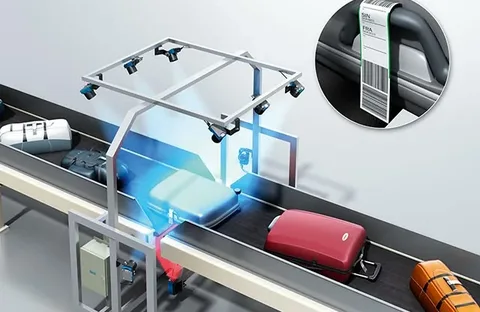
Smart baggage handling systems are advanced solutions designed to automate and optimize the flow of luggage from check-in to destination. By integrating technologies such as RFID, IoT, robotics, and AI-driven data platforms, these systems provide real-time tracking, predictive insights, and improved reliability in baggage processing. They enable reduced human error, faster turnaround times, and enhanced transparency for both airlines and passengers. As airports modernize infrastructure and embrace digital transformation, the adoption of smart baggage systems is reshaping the passenger journey and operational efficiency.
Get Ahead with Our Report: Request Your Sample Now!
Key Market Drivers
The increasing number of global air travelers, coupled with the demand for efficient and reliable baggage management, is a major driver of the smart baggage handling system market. Airlines and airports are under pressure to minimize baggage mishandling incidents, which directly affect customer satisfaction and operational costs. Advancements in sensor technology and IoT-enabled tracking solutions are enabling real-time baggage visibility, empowering passengers with control and trust. The push for automated solutions to address labor shortages and rising operational complexity is further accelerating adoption.
Emerging Trends
Integration of artificial intelligence and machine learning into baggage handling systems is enhancing predictive maintenance, load balancing, and anomaly detection. The use of robotics for sorting and transporting baggage is streamlining workflows while reducing manual intervention. Cloud-based platforms are enabling collaboration between airlines, airports, and passengers, ensuring seamless communication and transparency. Growing adoption of self-service bag drops and biometric verification is also shaping the future of passenger-driven baggage handling. Furthermore, sustainability initiatives are encouraging the development of energy-efficient and environmentally friendly baggage systems.
Regional Insights
North America remains a leading region in the smart baggage handling system market, supported by strong investment in airport modernization and early adoption of digital technologies. Europe is advancing steadily, driven by stringent regulations, emphasis on passenger experience, and innovative aviation infrastructure projects. The Asia-Pacific region is emerging as a dominant hub, fueled by rising passenger traffic, rapid airport expansions, and government-backed smart airport initiatives. Latin America and the Middle East are also investing in these systems to enhance airport efficiency, reduce mishandling rates, and support growing travel demand.
Competitive Landscape
The competitive landscape of the smart baggage handling system market includes airport technology providers, automation companies, and system integrators. Companies are focusing on developing integrated baggage tracking platforms, advanced RFID solutions, and robotic handling systems to cater to the evolving needs of airports and airlines. Strategic collaborations with airport authorities and partnerships with technology vendors are enabling expansion of capabilities and reach. Differentiation is achieved through innovations in automation, AI-driven analytics, and customer-focused transparency solutions.
Catapult Your Strategy: Secure Key Insights with Our Report Checkout!
Future Outlook
The future of the smart baggage handling system market will be shaped by continued advancements in automation, connectivity, and passenger-centric technologies. As airports embrace digital ecosystems, smart baggage systems will play a pivotal role in ensuring seamless journeys and operational efficiency. The integration of AI, robotics, and cloud platforms will expand their capabilities, while sustainability and cost-efficiency will drive innovation. With the rising demand for smarter, faster, and more reliable baggage handling, these systems are set to become a cornerstone of modern air travel infrastructure.
About Future Market Insights (FMI)
Future Market Insights, Inc. (ESOMAR certified, recipient of the Stevie Award, and a member of the Greater New York Chamber of Commerce) offers profound insights into the driving factors that are boosting demand in the market. FMI stands as the leading global provider of market intelligence, advisory services, consulting, and events for the Packaging, Food and Beverage, Consumer Technology, Healthcare, Industrial, and Chemicals markets. With a vast team of 400 analysts worldwide, FMI provides global, regional, and local expertise on diverse domains and industry trends across more than 110 countries.
Contact Us:
Future Market Insights Inc.
Christiana Corporate, 200 Continental Drive,
Suite 401, Newark, Delaware – 19713, USA
T: +1-845-579-5705
For Sales Enquiries: sales@futuremarketinsights.com
Website: https://www.futuremarketinsights.com
LinkedIn| Twitter| Blogs | YouTube




