

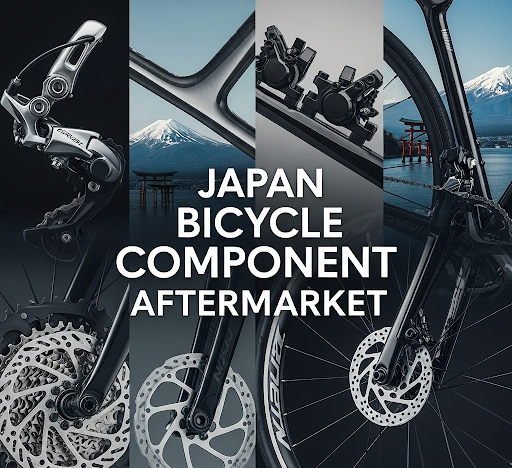
Japan’s bicycle component aftermarket is entering an exciting new phase of development, with industry forecasts projecting steady growth at a compound annual growth rate (CAGR) of 5.40% between 2025 and 2035. According to a recent study, the market—valued at USD 860.17 million in 2025—is expected to reach nearly USD 1,455.43 million by 2035, supported by the rapid adoption of electric bicycles, growing health-conscious lifestyles, and the shift toward sustainable transportation.
Uncover Essential Data – Get A Sample Copy https://www.futuremarketinsights.com/reports/sample/rep-gb-18624
Rising Demand from Everyday Cyclists and Performance Enthusiasts
In urban Japan, where cycling has long been a preferred mode of commuting, the aftermarket is experiencing strong consumer demand for durable, high-performance, and lightweight components. Road cycling remains deeply embedded in Japanese culture, fueling demand for premium groupsets, derailleurs, and aerodynamic wheelsets. At the same time, the boom in e-bike adoption is reshaping consumer preferences, with strong sales of battery packs, motors, and drivetrain units.
From lightweight alloy frames and disc brakes to ergonomic saddles and AI-powered accessories, Japanese cyclists—whether commuters, athletes, or recreational riders—are increasingly upgrading to performance-enhancing components tailored to their riding styles.
Insights from the FMI Survey
The FMI survey revealed several key insights into the evolving Japanese bicycle component landscape:
- 73% of respondents identified e-bikes as the primary driver of demand for advanced features like high-efficiency drivetrains and integrated connectivity systems.
- Over 60% of retailers reported a pivot toward digital channels, highlighting the rapid expansion of e-commerce in component sales.
- 42% of component suppliers cited supply chain disruptions as a challenge, yet 67% of executives remained optimistic about long-term growth, driven by R&D investments and global partnerships.
- 49% of stakeholders highlighted regulatory shifts—including stricter safety standards for lithium-ion batteries—as a critical factor influencing future product development.
Government Support and Regulatory Landscape
Government incentives for e-bike adoption and safety-focused regulations are also shaping the market. In Japan, subsidies for e-bikes combined with stricter safety standards for braking systems and batteries are expected to encourage innovation while ensuring rider safety. Globally, parallel regulatory trends—from EU sustainability incentives to China’s battery efficiency rules—are influencing material choices and pricing strategies for Japanese manufacturers.
Market Evolution: 2020–2024 vs. 2025–2035
Between 2020 and 2024, demand for bicycles surged post-pandemic, supported by urban commuting trends and early adoption of e-bike technology. Looking ahead, 2025 to 2035 will be defined by:
- AI-driven components and integrated GPS solutions.
- Connectivity features and smart accessories.
- Sustainable materials that prioritize recyclability and biodegradability.
- Continued industry consolidation and collaborations between tech firms and component manufacturers.
This evolution reflects a broader transformation of cycling into a technology-driven, sustainable mobility solution.
Segment Insights: Components, Channels, and Bicycle Types
- By Component: Road groupsets dominate with a 55.9% market share, while derailleurs and advanced wheelsets are experiencing strong demand. Suspension systems for mountain bikes are also gaining popularity.
- By Sales Channel: Specialty bicycle retailers remain the leading sales channel, but department stores (36.8% share) and e-commerce platforms are capturing growing consumer attention.
- By Bicycle Type: Road bikes continue to lead due to Japan’s deep cycling culture, while electric, folding, and hybrid bikes are rapidly gaining traction among commuters and urban dwellers.
Regional Dynamics
- Kanto (Tokyo): The epicenter of cycling demand, driven by commuting needs and retail infrastructure.
- Chubu (Japanese Alps): Strong growth fueled by cycling tourism and local manufacturing hubs.
- Kinki (Kansai): Daily commuting culture sustains consistent aftermarket demand.
- Kyushu & Okinawa: Warm climates and cycling tourism drive steady component sales.
- Tohoku: Long-distance and touring cyclists prioritize durable, weather-resistant components.
Competitive Landscape
Japan’s aftermarket is home to both established leaders and emerging innovators.
- Shimano Inc. continues to dominate with a strong domestic presence and global reputation for precision components.
- SRAM LLC and Campagnolo S.R.L. compete in the premium performance and road cycling segments.
- Giant Manufacturing Co. Ltd. and Merida Industry Co. Ltd. leverage their Asia-Pacific footprint to expand in Japan.
- Dia-Compe, a Japanese manufacturer, maintains a strong legacy in brakes and suspension systems.
- Hero Cycles Limited and Rohloff AG represent ambitious new entrants, expanding their presence through niche offerings.
Recent strategic alliances are also reshaping the industry. For instance:
- JATCO Ltd. partnered with Myelo Co., Ltd. to develop a 2-in-1 e-bike drive unit.
- Yamaha Motor Co., Ltd. merged with Yamaha Motor Electronics Co., Ltd. to accelerate electrification strategies.
- HODAKA CORPORATION collaborated with JATCO to launch new electric-assist prototypes.
These collaborations highlight the increasing convergence of traditional bicycle expertise with advanced mobility technologies.
Growth Opportunities and Recommendations
The next decade offers multiple growth opportunities for manufacturers and retailers:
- E-Bike Expansion: Continued development of efficient drivetrains and battery systems.
- Customization and Premiumization: Offering performance-specific, personalized components for enthusiasts.
- Sustainability: Expanding portfolios with recycled, biodegradable, and ethically sourced materials.
- Digital Integration: Collaborating with tech companies to deliver IoT and AI-powered solutions.
- Localized Production: Reducing reliance on imports and mitigating supply chain risks.
Companies that embrace sustainability, digitization, and consumer-centric innovation will secure a competitive edge in Japan’s evolving aftermarket.
Macro-Economic Outlook
Japan’s aging population, rising fuel costs, and environmental concerns are all influencing consumer demand. Older riders are gravitating toward ergonomic and electric-assisted components, while younger cyclists continue to invest in high-performance upgrades. Meanwhile, government policies promoting green mobility and cycling infrastructure are laying the groundwork for long-term aftermarket expansion.
Stay Ahead – Grab the Report: https://www.futuremarketinsights.com/checkout/18624
About Future Market Insights (FMI)
Future Market Insights, Inc. (ESOMAR certified, recipient of the Stevie Award, and a member of the Greater New York Chamber of Commerce) offers profound insights into the driving factors that are boosting demand in the market. FMI stands as the leading global provider of market intelligence, advisory services, consulting, and events for the Packaging, Food and Beverage, Consumer Technology, Healthcare, Industrial, and Chemicals markets. With a vast team of over 400 analysts worldwide, FMI provides global, regional, and local expertise on diverse domains and industry trends across more than 110 countries.
Contact Us:
Future Market Insights Inc.
Christiana Corporate, 200 Continental Drive,
Suite 401, Newark, Delaware – 19713, USA
T: +1-347-918-3531
For Sales Enquiries: sales@futuremarketinsights.com
Website: https://www.futuremarketinsights.com
LinkedIn| Twitter| Blogs | YouTube




