

The Wearable Gaming Technology Market is estimated to be valued at USD 29.4 billion in 2025 and is projected to reach USD 115.0 billion by 2035, registering a compound annual growth rate (CAGR) of 14.6% over the forecast period.
The wearable gaming technology market is gaining momentum as the demand for immersive, interactive, and personalized gaming experiences continues to rise. Known for blending physical and digital realms, wearable devices bring new dimensions to gameplay by integrating advanced sensors, haptic feedback, motion tracking, and augmented or virtual reality features. From casual gamers to professional eSports players, wearable technology is transforming how users engage with games, making it an integral part of the evolving entertainment ecosystem.
Market Overview
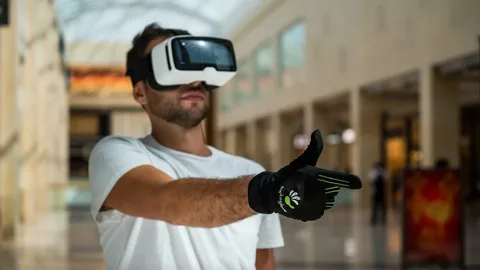
Wearable gaming technology encompasses a range of devices such as smart glasses, VR headsets, haptic suits, wristbands, and brain-computer interface gear designed to enhance user interaction with digital environments. These devices go beyond traditional gaming consoles by enabling body movements, gestures, and sensory feedback to directly influence the gaming experience. They provide a more immersive and lifelike environment, blurring the lines between physical presence and virtual worlds. As the boundaries of gaming expand into fitness, education, and social experiences, wearable devices are becoming essential tools for next-generation entertainment.
Get Ahead with Our Report: Request Your Sample Now!
Key Market Drivers
The rising popularity of immersive gaming experiences is a key driver for the wearable gaming technology market. Gamers are increasingly seeking realistic environments where they can engage with digital content through physical interactions. Advances in AR and VR, combined with growing adoption of cloud gaming, are fueling demand for wearables that deliver seamless connectivity and enhanced engagement. The expansion of eSports, fitness gaming, and gamified training is also driving adoption. Additionally, increasing consumer interest in personalization and multi-sensory experiences is propelling the integration of wearable devices into mainstream gaming platforms.
Emerging Trends
Innovation in wearable design and functionality is reshaping the market. Lightweight and ergonomic headsets, wireless haptic devices, and AI-driven gesture recognition systems are enhancing comfort and usability. The integration of biometric sensors to track heart rate, eye movement, and brain activity is opening up new possibilities for adaptive gameplay experiences. Cross-platform compatibility is emerging as a key focus, enabling wearables to work seamlessly with consoles, PCs, and mobile devices. Social and collaborative gaming experiences supported by wearables are also gaining traction, while advancements in 5G connectivity and cloud-based platforms are further enriching real-time, low-latency interactions.
Regional Insights
North America leads in the adoption of wearable gaming technology, supported by strong consumer demand, advanced gaming infrastructure, and growth in eSports. Europe is witnessing steady uptake, driven by innovation in AR/VR technologies and the popularity of immersive gaming experiences. The Asia-Pacific region is emerging as a major hub, propelled by high gaming penetration, a large population of tech-savvy users, and rapid adoption of mobile and wearable devices. Latin America and the Middle East are also adopting wearable gaming technologies as digital entertainment grows and access to advanced gaming platforms expands.
Competitive Landscape
The competitive landscape of the wearable gaming technology market includes gaming hardware manufacturers, wearable device innovators, and AR/VR solution providers. Companies are investing in research and development to create lightweight, powerful, and user-friendly devices. Collaborations with gaming studios and technology companies are enhancing compatibility and game integration. Vendors are differentiating through unique features such as advanced haptics, eye-tracking, and AI-enabled personalization. Efforts to lower costs while improving performance and comfort are also central to capturing a broader audience.
Catapult Your Strategy: Secure Key Insights with Our Report Checkout!
Future Outlook
The future of the wearable gaming technology market will be shaped by continued innovation in AR, VR, and haptic feedback systems. As gaming merges further with social interaction, fitness, and education, wearables will expand beyond entertainment into multi-purpose platforms. Advancements in AI, biometrics, and cloud gaming will deepen personalization and immersion, creating experiences that adapt in real time to player behavior. With increasing demand for interactive, immersive, and accessible gaming, wearable technology will remain at the forefront of shaping the future of digital play.
About Future Market Insights (FMI)
Future Market Insights, Inc. (ESOMAR certified, recipient of the Stevie Award, and a member of the Greater New York Chamber of Commerce) offers profound insights into the driving factors that are boosting demand in the market. FMI stands as the leading global provider of market intelligence, advisory services, consulting, and events for the Packaging, Food and Beverage, Consumer Technology, Healthcare, Industrial, and Chemicals markets. With a vast team of 400 analysts worldwide, FMI provides global, regional, and local expertise on diverse domains and industry trends across more than 110 countries.
Contact Us:
Future Market Insights Inc.
Christiana Corporate, 200 Continental Drive,
Suite 401, Newark, Delaware – 19713, USA
T: +1-845-579-5705
For Sales Enquiries: sales@futuremarketinsights.com
Website: https://www.futuremarketinsights.com
LinkedIn| Twitter| Blogs | YouTube




