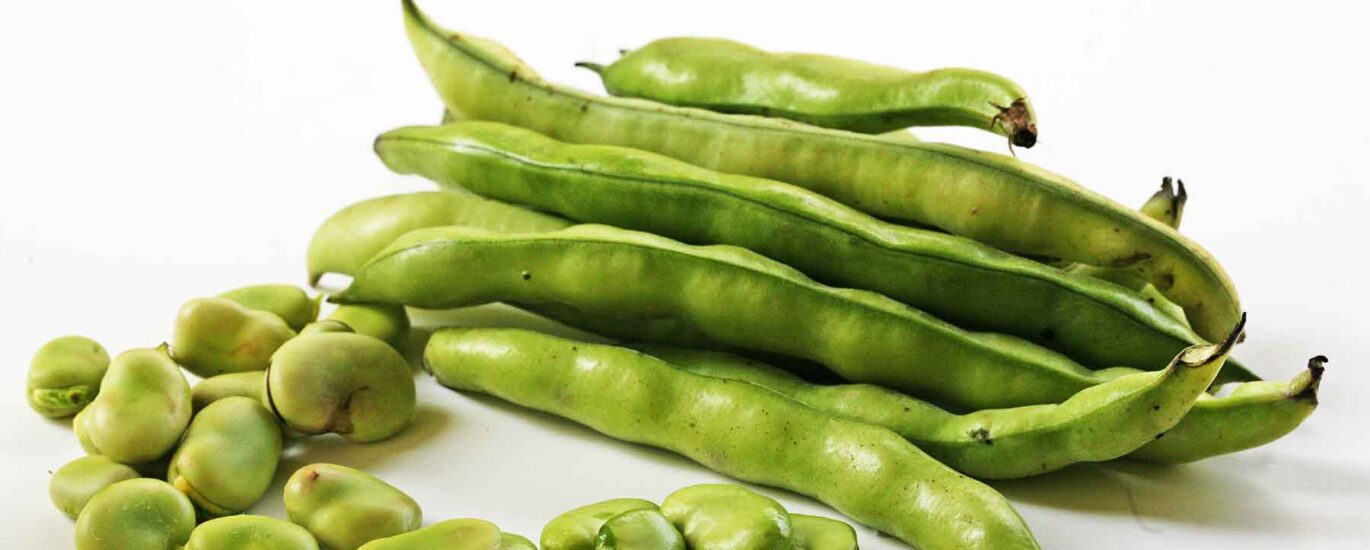
A new industry analysis reveals the United States fava bean protein market is poised for explosive growth, with a new press release projecting the market to expand from an estimated USD 231.9 million in 2025 to a staggering USD 542.7 million by 2035. This represents a robust Compound Annual Growth Rate (CAGR) of 8.9% over the forecast period, fueled by a powerful convergence of consumer trends and technological advancements.
The report highlights a significant shift in consumer preferences, with a rising demand for alternative proteins that are both clean-label and free from common allergens like soy and gluten. Fava bean protein, particularly in its isolate and concentrate forms, is perfectly positioned to capture this market, offering a neutral flavor profile, superior functionality, and a high-lysine content that is highly sought after by food formulators.
Start Your Market Research Journey – Request a Free Sample: https://www.futuremarketinsights.com/reports/sample/rep-gb-22451
Competitive Landscape and Strategic Advantages
The competitive landscape is dynamic, with both large-scale, established players and agile, niche firms vying for market share. Companies like AGT Food and Ingredients, Roquette Frères, and Puris Proteins are leading the charge, making strategic investments in production capabilities and expanding their product portfolios. Roquette’s recent launch of NUTRALYS® Fava S900M, a high-purity fava bean protein isolate, underscores this trend of innovation and a focus on meeting the specific needs of North American markets.
A key competitive advantage for fava bean protein is its unique functional properties. Unlike legacy plant proteins like pea or soy, fava bean protein integrates seamlessly into high-performance applications such as dairy analogs and extruded meat alternatives without the need for additional masking agents. Its superior emulsification and firm texture under high-moisture extrusion (HME) are making it a preferred choice for alt-meat startups and precision fermentation companies. This allows formulators to create cleaner, more appealing products, giving them a significant edge over competitors who rely on less-functional or allergenic proteins.
Top Investment Segments and Regional Powerhouses
The analysis points to several key growth segments. Protein isolates are expected to dominate the market with a 43% share by 2025, driven by their high protein content and functional versatility in sports nutrition, beverages, and bakery items. Wet processing, the method of choice for producing these high-purity isolates, is projected to hold a 58.4% share, as brands invest in advanced facilities to meet consumer demand for clean and nutrient-dense products.
On the application front, meat alternatives are anticipated to lead with a 25% market share by 2025, capitalizing on the expansion of flexitarian diets and the need for high-quality, allergen-free ingredients. Food-grade fava protein is also set to command an impressive 85% of the grade segment, reflecting its deep penetration into human nutrition and functional food categories.
The report also identifies regional hubs shaping the market. North Dakota is emerging as a critical supply engine, projected to grow at a leading 9.4% CAGR. This is driven by extensive domestic fava acreage expansion and investments in vertical integration, which reduce reliance on imports and ensure a stable, traceable supply chain. California and Washington are also showing strong growth, with California leading innovation in premium-led alt-dairy and medical nutrition, and Washington capitalizing on institutional demand with traceable, allergen-free products.
Transform Data into Action – Get the Full Market Report: https://www.futuremarketinsights.com/reports/fava-bean-protein-industry-analysis-in-united-states
Challenges and Market Outlook
Despite the promising growth trajectory, the industry faces challenges, including inconsistent sensory output and limited consumer familiarity. The earthy, beany aftertaste of some fava bean formulations has been a hurdle for direct-to-consumer (DTC) brands, slowing retail adoption compared to its strong uptake in foodservice and industrial sectors. This competitive weakness highlights the need for continued R&D to improve flavor profiles and for more robust marketing efforts to build brand and ingredient recognition among mainstream consumers.
In conclusion, the U.S. fava bean protein market is at a pivotal moment. With a projected growth of 8.9% CAGR and a market size that will more than double in the next decade, fava protein is evolving from a niche ingredient to a strategic asset for the food industry. Its unique functionality, coupled with growing domestic production and consumer demand for cleaner, allergen-free proteins, positions it as a formidable competitor in the burgeoning plant-based and precision fermentation spaces. The next ten years will be defined by how effectively suppliers and brands navigate flavor challenges and capitalize on this golden opportunity to reshape the future of protein.
About Future Market Insights (FMI)
Future Market Insights, Inc. (ESOMAR certified, recipient of the Stevie Award, and a member of the Greater New York Chamber of Commerce) offers profound insights into the driving factors that are boosting demand in the market. FMI stands as the leading global provider of market intelligence, advisory services, consulting, and events for the Packaging, Food and Beverage, Consumer Technology, Healthcare, Industrial, and Chemicals markets. With a vast team of over 400 analysts worldwide, FMI provides global, regional, and local expertise on diverse domains and industry trends across more than 110 countries.
Contact Us:
Future Market Insights Inc.
Christiana Corporate, 200 Continental Drive,
Suite 401, Newark, Delaware – 19713, USA
T: +1-347-918-3531
For Sales Enquiries: sales@futuremarketinsights.com
Website: https://www.futuremarketinsights.com
LinkedIn| Twitter| Blogs | YouTube