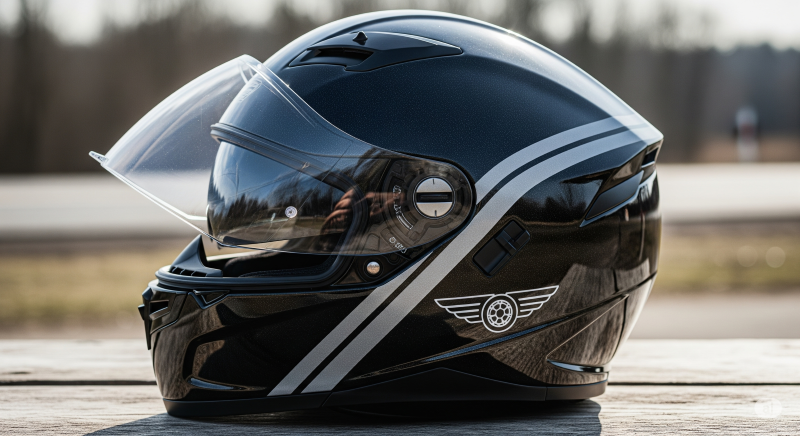
In the fast-evolving world of motorcycling, one crucial component remains steadfast in its importance: the motorcycle helmet. Over the years, the market for motorcycle helmets has seen significant transformations, driven by a combination of safety concerns, technological innovations, changing regulations, and evolving consumer preferences. As motorcycling continues to be a popular mode of transport and recreation, the demand for helmets is expected to grow steadily.
According to industry forecasts, the global motorcycle helmet market is expected to reach a value of USD 3.1 billion by 2025 and is projected to double to USD 6.2 billion by 2035, representing a compound annual growth rate (CAGR) of 7.1% from 2025 to 2035. This growth trajectory reflects an increasing focus on safety, coupled with the expanding global demand for motorcycles.
Unlock exclusive insights – Request your sample report! https://www.futuremarketinsights.com/reports/sample/rep-gb-15907
The Evolution of Motorcycle Helmets: A Brief History
Motorcycle helmets were first introduced in the early 1900s, primarily to protect riders from serious head injuries. However, it wasn’t until the mid-20th century that helmets became a standard piece of safety gear. Early helmets were rudimentary, often made from leather or thin materials, and provided limited protection. It wasn’t until the 1970s that modern helmets—featuring durable materials like fiberglass and high-density foam—began to emerge, marking a critical shift toward more effective safety measures.
In the decades that followed, helmet design has evolved significantly, incorporating advancements in materials, aerodynamics, and comfort. Today’s helmets not only provide protection but also integrate technologies aimed at enhancing the overall riding experience. From Bluetooth connectivity for hands-free communication to advanced venting systems for improved airflow, the modern motorcycle helmet is as much about innovation as it is about safety.
Key Market Drivers
- Increasing Awareness of Road Safety
One of the key drivers of the motorcycle helmet market is the rising awareness of road safety. Governments worldwide are implementing stricter road safety regulations, including mandatory helmet laws in many countries. For instance, in several European and Asian nations, wearing a helmet is a legal requirement for all motorcycle riders, which has significantly contributed to helmet sales. Additionally, growing awareness about head injuries, particularly traumatic brain injuries (TBI), is leading consumers to invest more in quality helmets.
- Technological Innovations
The integration of cutting-edge technologies into motorcycle helmets is another major factor fueling market growth. Helmets are no longer just protective gear; they have become high-tech gadgets. Some of the prominent technological advancements include:
- Smart Helmets: These helmets feature built-in Bluetooth communication systems, allowing riders to make calls, listen to music, and access navigation features without taking their hands off the handlebars.
- Augmented Reality (AR): Some helmets are now equipped with augmented reality displays, allowing riders to see vital information, such as speed, navigation routes, and incoming calls, directly in their line of sight.
- Improved Safety Features: Helmets are being equipped with impact sensors, airbag systems, and advanced shell materials, which improve rider protection in the event of an accident.
- Ventilation and Comfort: With increased focus on rider comfort, modern helmets now feature advanced ventilation systems that help manage airflow and reduce heat, making longer rides more comfortable.
- Growing Popularity of Motorcycling in Developing Economies
Motorcycling is becoming increasingly popular in developing economies, particularly in countries like India, China, and Southeast Asia. These regions are witnessing a surge in motorcycle sales, particularly among younger consumers who are more likely to invest in high-quality helmets. As disposable incomes rise and urbanization accelerates, more people in these markets are opting for motorcycles as an affordable, efficient mode of transport, driving the demand for helmets.
- Rising Demand for Premium Helmets
As consumers become more conscious of the importance of safety, there is a growing preference for high-quality, premium helmets. Helmets made from advanced composite materials such as carbon fiber, aramid, and fiberglass offer superior protection and lighter weight compared to traditional materials. Premium helmets also come with enhanced comfort, superior noise reduction, and a sleeker design, which appeal to both professional riders and enthusiasts.
Regional Insights
- North America: The U.S. is a major market, with steady demand driven by mandatory helmet laws and the growing popularity of motorcycling for leisure and sport.
- Europe: Europe’s demand is fueled by strict safety regulations and a preference for premium helmets with advanced features like Bluetooth and augmented reality.
- Asia-Pacific: Asia-Pacific is the fastest-growing market, especially in India, China, and Indonesia, as safety awareness and motorcycle sales continue to rise.
- Latin America & Middle East & Africa: Steady growth is expected as motorcycles become an affordable transport solution, particularly in urban areas.
The Future: What Lies Ahead for the Motorcycle Helmet Market?
The motorcycle helmet market is poised for substantial growth in the next decade, driven by a combination of safety concerns, technological advancements, and evolving consumer preferences. As the market evolves, we can expect the following trends:
- Smart Helmets: The rise of connected helmets will revolutionize the market, offering riders enhanced communication, navigation, and entertainment options. Smart helmets will become more integrated with smartphone applications, allowing for seamless interaction.
- Sustainability: Environmental concerns will drive the development of eco-friendly helmets, with manufacturers exploring biodegradable materials and sustainable production methods.
- Customization: As consumer preferences become more personalized, there will be an increasing demand for customizable helmets, with options for bespoke designs, colors, and features.
- Advanced Safety Features: The integration of AI, sensors, and airbag technologies will push the boundaries of helmet safety, offering enhanced protection in the event of an accident.
Key Segments Profiled in the Motorcycle helmet market Industry Survey
By product:
- Full face
- open face
- Off-road racing
- Others
By distribution channel:
- Online channels
- Offline channels
By End-user:
- Rider
- Passenger
By Region:
- North America
- Europe
- Asia Pacific
- Latin America
- Middle East and Africa (MEA)
Purchase the in-depth market report now! https://www.futuremarketinsights.com/checkout/15907
About Future Market Insights (FMI)
Future Market Insights, Inc. (ESOMAR certified, recipient of the Stevie Award, and a member of the Greater New York Chamber of Commerce) offers profound insights into the driving factors that are boosting demand in the market. FMI stands as the leading global provider of market intelligence, advisory services, consulting, and events for the Packaging, Food and Beverage, Consumer Technology, Healthcare, Industrial, and Chemicals markets. With a vast team of over 400 analysts worldwide, FMI provides global, regional, and local expertise on diverse domains and industry trends across more than 110 countries.
Contact Us:
Future Market Insights Inc.
Christiana Corporate, 200 Continental Drive,
Suite 401, Newark, Delaware – 19713, USA
T: +1-347-918-3531
For Sales Enquiries: sales@futuremarketinsights.com
Website: https://www.futuremarketinsights.com
LinkedIn| Twitter| Blogs | YouTube