The global butter coffee market, a burgeoning segment within the functional beverage industry, is projected to witness significant expansion over the next decade. According to a new market forecast, the market is estimated to be valued at USD 102.5 billion in 2025 and is set to surge to USD 156.4 billion by 2035, registering a robust Compound Annual Growth Rate (CAGR) of 4.3% during the forecast period.
This growth is primarily fueled by a rising consumer inclination towards health-centric, high-fat, and low-carb diets like the ketogenic lifestyle, alongside a growing demand for functional beverages that offer sustained energy and cognitive benefits.
Access Your Sample Report Today: https://www.futuremarketinsights.com/reports/sample/rep-gb-10822
Market Drivers and Trends
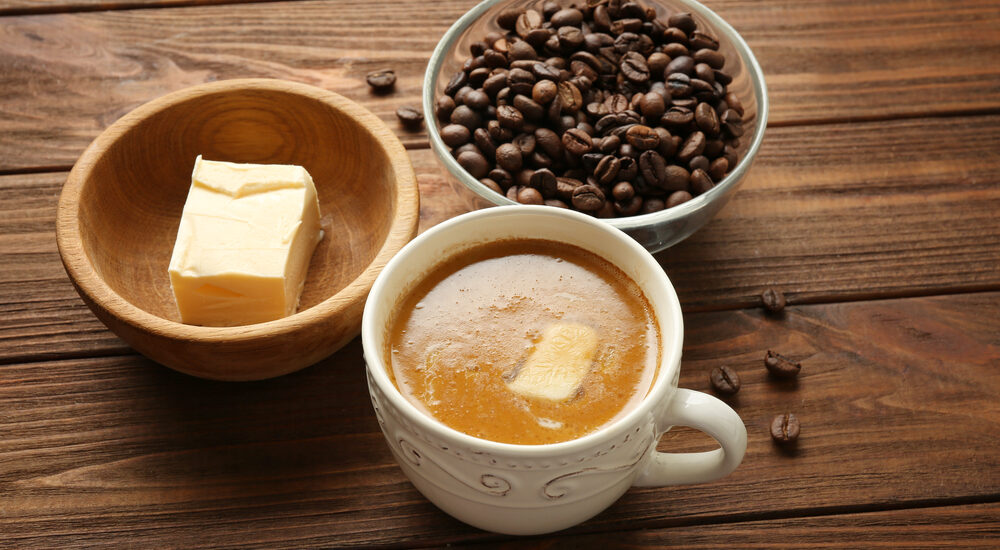
Butter coffee, a unique blend of brewed coffee, grass-fed butter, and MCT oil, has rapidly gained traction among health and fitness enthusiasts. Its popularity stems from a number of perceived benefits, including appetite suppression, enhanced mental clarity, and improved metabolism. This niche product is transcending its early adopter base and is becoming a mainstream consideration for a broader health-conscious consumer audience.
The market’s momentum is also driven by the increasing global interest in intermittent fasting, paleo, and low-sugar diets, where butter coffee serves as a convenient and satisfying meal replacement or energy boost.
The market’s competitive landscape, while currently populated by a mix of specialized and established players, is ripe for new entrants. Key industry participants like Bulletproof Nutrition Inc., Caveman Coffee CO., Nestlé S.A., Bold Bean Coffee Roasters, and Hallstar are at the forefront of this evolution, introducing new product innovations and expanding their distribution networks. The strategic focus on organic, clean-label, and sustainably sourced ingredients is proving to be a critical competitive advantage.
Competitive Analysis & Market Segmentation
The competitive environment is defined by a race to cater to evolving consumer preferences. Brands are differentiating themselves through product formulations, emphasizing organic, grass-fed butter and ethically sourced coffee beans. The data highlights that the organic segment is a powerful force, holding a dominant 57.8% market share in 2025. This commanding position is a direct result of strong consumer demand for products free from artificial additives, a trend that aligns perfectly with the clean-label movement.
In terms of distribution, online retail is a key growth driver, capturing a significant 41.3% market share. The e-commerce channel offers brands a direct-to-consumer pathway, enabling them to connect with their target audience of health-conscious millennials and Gen Z consumers through targeted marketing and social media campaigns. This model also allows for greater product variety, including limited-batch and specialty formulations not typically found in conventional retail.
Geographically, the market is experiencing strong growth across multiple regions. While North America and Europe currently hold significant market shares due to a well-established coffee culture and high consumer awareness, the Asia-Pacific region is emerging as a hotbed for future growth. A rapidly growing middle-class population and an increasing appetite for coffee consumption are creating fertile ground for market expansion in this region.
Unlock Exclusive Data and Forecasts – Purchase Report: https://www.futuremarketinsights.com/checkout/10822
Future Outlook
While the market’s growth is promising, there are some factors to consider. The high-fat content of butter coffee, if not consumed in moderation, can pose potential health risks like high cholesterol. This presents a challenge that brands can address through consumer education on balanced consumption and lifestyle choices.
As the market matures, innovation in plant-based fat sources and eco-friendly packaging will be crucial for sustained growth. The continued convergence of wellness, technology, and e-commerce is expected to accelerate category adoption and solidify the butter coffee market’s positive outlook for the coming decade.
About Future Market Insights (FMI)
Future Market Insights, Inc. (ESOMAR certified, recipient of the Stevie Award, and a member of the Greater New York Chamber of Commerce) offers profound insights into the driving factors that are boosting demand in the market. FMI stands as the leading global provider of market intelligence, advisory services, consulting, and events for the Packaging, Food and Beverage, Consumer Technology, Healthcare, Industrial, and Chemicals markets. With a vast team of over 400 analysts worldwide, FMI provides global, regional, and local expertise on diverse domains and industry trends across more than 110 countries.
Contact Us:
Future Market Insights Inc.
Christiana Corporate, 200 Continental Drive,
Suite 401, Newark, Delaware – 19713, USA
T: +1-347-918-3531
For Sales Enquiries: sales@futuremarketinsights.com
Website: https://www.futuremarketinsights.com
LinkedIn| Twitter| Blogs | YouTube