

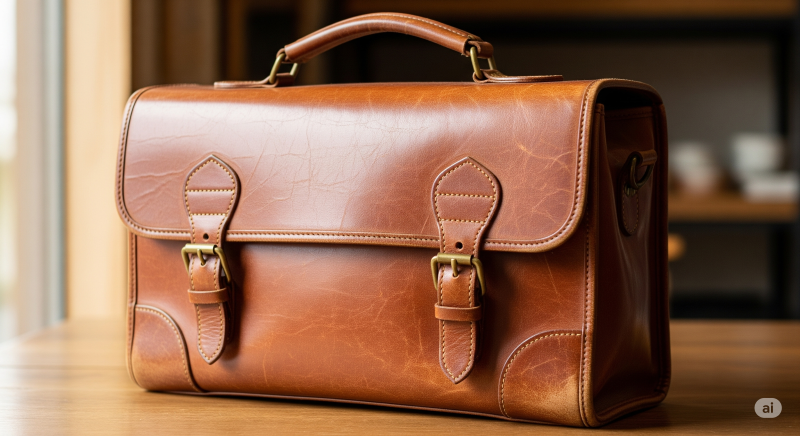
The second-hand bag market, once a niche segment within the broader fashion industry, has seen a significant rise in popularity. Driven by a growing focus on sustainability, luxury resale, and the increasing interest in circular fashion, this market is undergoing rapid transformation. As we look ahead to 2025 and beyond, the market is poised for substantial growth, driven by evolving consumer preferences and the demand for high-quality, pre-owned luxury goods.
By 2025, the second-hand bag market is expected to reach a valuation of USD 7.12 billion, with a projected compound annual growth rate (CAGR) of 5.8% from 2025 to 2035. By 2035, the market is forecast to grow to USD 12.52 billion, marking a steady and promising expansion within the luxury resale sector.
Discover key market opportunities – Request your sample report now! https://www.futuremarketinsights.com/reports/sample/rep-gb-15480
Luxury Resale: A Key Growth Driver
In recent years, online resale platforms like The RealReal, Vestiaire Collective, and Depop have become major players in the second-hand luxury market. These platforms have revolutionized the way consumers access high-end fashion, making it easier than ever to buy pre-owned designer bags at a fraction of the original price.
While affordability is a key factor, the appeal of second-hand bags also lies in their uniqueness and exclusivity. Many bags are limited-edition pieces or vintage designs that may no longer be available in stores. This has contributed to a broader acceptance of pre-owned luxury, especially among younger consumers.
Sustainability and Circular Fashion
A significant driving force behind the rise of second-hand bags is the growing demand for sustainable fashion. As consumers become more environmentally conscious, the desire for eco-friendly shopping options has spurred the growth of the resale market. Second-hand bags—especially those made from durable materials like leather and canvas—are viewed as a sustainable alternative to new products, which often have a higher environmental impact.
The circular fashion movement, which emphasizes reusing, recycling, and extending the lifecycle of products, aligns perfectly with the purchase of second-hand goods. Bags, in particular, are seen as lasting investment pieces that retain their value over time, allowing consumers to buy and sell them without sacrificing style or quality.
Technological Innovation in Resale Platforms
Technology is playing an increasingly important role in the second-hand bag market. Online platforms have adopted a variety of technological tools, such as AI-driven price assessments and blockchain for authentication, to provide consumers with greater confidence when buying pre-owned goods. These innovations help ensure the authenticity of bags and streamline the buying process, making it easier for consumers to shop online for luxury items.
Additionally, social media platforms have also contributed to the rise in popularity of second-hand bags. Influencers on Instagram, TikTok, and other platforms regularly showcase their vintage or pre-owned luxury items, influencing their followers to consider second-hand luxury goods as both fashionable and sustainable choices.
Challenges in the Market
Despite the rapid growth of the second-hand bag market, there are challenges that need to be addressed. The most significant concern is the issue of counterfeit bags. While platforms have invested in advanced authentication technologies, fake bags remain a persistent issue in the resale market, posing risks to both buyers and sellers.
Moreover, determining the fair market value of second-hand bags can sometimes be a challenge. Prices can fluctuate based on factors like rarity, condition, and demand, making it difficult for both buyers and sellers to know exactly what to expect.
Top Segments Studied in the Second-hand Bag Market
By Raw Material:
- Leather
- Fibre
- Others
By End User:
- Men
- Women
By Sales Channel:
- Specialty Stores
- Multi-brand Stores
- Independent Small Retailers
- Online Retailers
- Other Sales Channel
By Region:
- North America
- Latin America
- Western Europe
- Eastern Europe
- East Asia
- South Asia Pacific
- Middle East and Africa
Access the complete industry report—buy now! https://www.futuremarketinsights.com/checkout/15480
About Future Market Insights (FMI)
Future Market Insights, Inc. (ESOMAR certified, recipient of the Stevie Award, and a member of the Greater New York Chamber of Commerce) offers profound insights into the driving factors that are boosting demand in the market. FMI stands as the leading global provider of market intelligence, advisory services, consulting, and events for the Packaging, Food and Beverage, Consumer Technology, Healthcare, Industrial, and Chemicals markets. With a vast team of over 400 analysts worldwide, FMI provides global, regional, and local expertise on diverse domains and industry trends across more than 110 countries.
Contact Us:
Future Market Insights Inc.
Christiana Corporate, 200 Continental Drive,
Suite 401, Newark, Delaware – 19713, USA
T: +1-347-918-3531
For Sales Enquiries: sales@futuremarketinsights.com
Website: https://www.futuremarketinsights.com
LinkedIn| Twitter| Blogs | YouTube




