

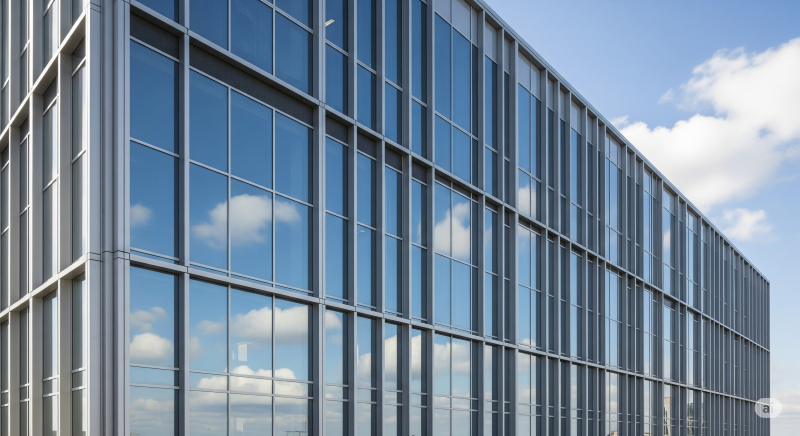
The building industry is undergoing rapid transformation, with one of the most significant changes being the rise of advanced materials used for façades. Among these, aluminum curtain walls have become synonymous with modern architecture, offering not only aesthetic appeal but also performance-driven solutions to the evolving demands of the global construction market. As we look towards 2025 and beyond, the aluminum curtain wall market is poised for significant expansion, with projections indicating it will reach a value of USD 49.75 billion by 2025 and grow at a compound annual growth rate (CAGR) of 8.9%, ultimately achieving USD 116.71 billion by 2035.
Unlock exclusive insights – Request your sample report! https://www.futuremarketinsights.com/reports/sample/rep-gb-15086
Understanding Aluminum Curtain Walls: The Basics
Aluminum curtain walls are non-structural outer coverings of a building that are designed to protect the structure from the elements while allowing for maximum natural light and a sleek, modern aesthetic. Made primarily of aluminum frames and glass panels, curtain walls are considered a hallmark of contemporary architectural design.
Unlike traditional load-bearing walls, curtain walls are designed to bear only their own weight and the wind load that affects the building’s exterior. This makes them ideal for high-rise buildings and skyscrapers, where the need for lightweight yet durable materials is paramount. Over the years, aluminum has emerged as the material of choice due to its low weight, corrosion resistance, and malleability.
The global demand for aluminum curtain walls has been on an upward trajectory for several reasons, including the need for energy-efficient buildings, increased urbanization, and growing interest in sustainable construction practices.
Key Drivers of Market Growth
- Rising Demand for Sustainable Construction: With stricter building regulations and a global push for net-zero buildings, aluminum curtain walls are gaining prominence for their energy efficiency. These walls help reduce heat loss, optimize natural light, and can even integrate solar panels, making them a sustainable solution in modern construction.
- Urbanization and Infrastructure Development: The rapid urban growth in regions like Asia-Pacific, the Middle East, and Latin America is driving demand for high-rise buildings. Aluminum curtain walls offer sleek, glass facades that maximize natural light, providing aesthetic and structural benefits for modern urban developments.
- Technological Advancements in Materials: New glazing technologies, such as low-emissivity glass and electrochromic glass, have improved the thermal performance and durability of aluminum curtain walls. The integration of smart features, like dynamic glazing, further enhances energy efficiency and occupant comfort.
- Increasing Demand for Aesthetics and Design Flexibility: Aluminum’s versatility allows architects to create customized, eye-catching façades. The growing trend for modern, visually dynamic buildings is fueling the adoption of aluminum curtain walls, which can be tailored with features like louvers, sunshades, and decorative panels.
Regional Market Insights
- North America: The U.S. and Canada lead in aluminum curtain wall adoption due to strong commercial real estate growth and strict energy efficiency regulations.
- Asia-Pacific: Rapid urbanization in China, India, and Southeast Asia boosts demand for aluminum curtain walls, driven by green building initiatives and industrial growth.
- Europe: The UK, Germany, and France favor aluminum curtain walls for their sustainability benefits, aligned with EU green building standards.
- Middle East & Africa: GCC countries, especially Dubai and Riyadh, use aluminum curtain walls in large-scale developments, combining innovation with sustainability.
Challenges Facing the Market
- High Initial Costs: The upfront cost of aluminum curtain walls can be high, deterring developers, especially in cost-sensitive markets.
- Environmental Concerns: Aluminum production is energy-intensive and has a significant environmental impact, prompting calls for more sustainable manufacturing practices.
- Supply Chain Disruptions: Global supply chain issues, such as material shortages and logistical delays, can increase costs and cause delays in project timelines.
Top Segments Studied in the Aluminum Curtain Wall Market Research Report
By Type:
- Stick-built
- Semi-unitized
- Unitized
By Application:
- Commercial
- Residential
By Region:
- North America
- Latin America
- Europe
- East Asia
- South Asia & Pacific
- Middle East & Africa (MEA)
Purchase the in-depth market report now! https://www.futuremarketinsights.com/checkout/15086
About Future Market Insights (FMI)
Future Market Insights, Inc. (ESOMAR certified, recipient of the Stevie Award, and a member of the Greater New York Chamber of Commerce) offers profound insights into the driving factors that are boosting demand in the market. FMI stands as the leading global provider of market intelligence, advisory services, consulting, and events for the Packaging, Food and Beverage, Consumer Technology, Healthcare, Industrial, and Chemicals markets. With a vast team of over 400 analysts worldwide, FMI provides global, regional, and local expertise on diverse domains and industry trends across more than 110 countries.
Contact Us:
Future Market Insights Inc.
Christiana Corporate, 200 Continental Drive,
Suite 401, Newark, Delaware – 19713, USA
T: +1-347-918-3531
For Sales Enquiries: sales@futuremarketinsights.com
Website: https://www.futuremarketinsights.com
LinkedIn| Twitter| Blogs | YouTube




