

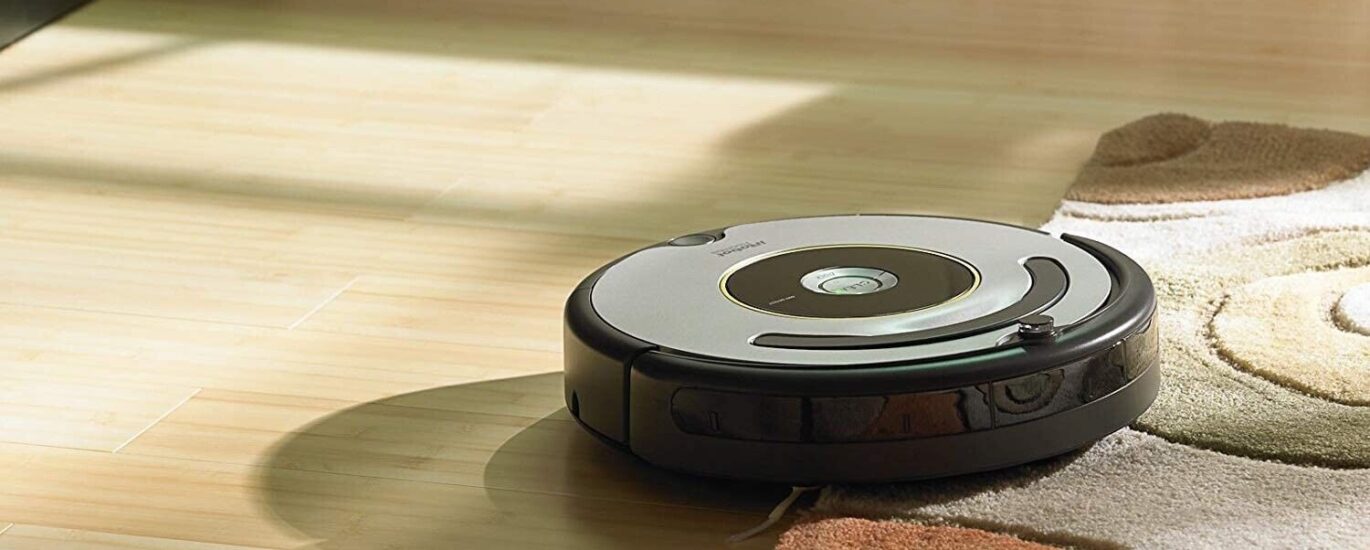
The global robotic vacuum cleaners market has witnessed significant growth over the past decade, driven by advances in technology, rising disposable incomes, and a growing desire for convenience. With a projected market size of USD 35.56 billion by 2035, up from USD 11.14 billion in 2025, this industry is set to become one of the fastest-growing segments in the home appliance sector. With a Compound Annual Growth Rate (CAGR) of 12.3% from 2025 to 2035, the growth trajectory is clear: robotic vacuum cleaners are here to stay, and their market presence is expanding rapidly.
Discover Insights into the Market Request Your Sample Report! https://www.futuremarketinsights.com/reports/sample/rep-gb-11949
A New Era of Home Cleaning
The concept of robotic cleaning devices is not new, but it is only in recent years that these products have truly entered the mainstream. Initially, robotic vacuum cleaners were considered niche, high-tech gadgets, accessible only to early adopters or those with significant disposable income. Today, however, they are becoming a household staple, appealing to a broad spectrum of consumers seeking a more automated, efficient way to manage their cleaning routines.
The driving force behind the growth of this market is multifaceted, but key factors such as the increasing adoption of smart home technologies, advancements in AI (Artificial Intelligence), machine learning, and sensor technology, and the demand for labor-saving devices are pivotal in shaping the future of robotic vacuums.
Technological Advancements and Innovation
At the core of this growth is the continuous innovation in robotic vacuum technology. Early models were simple devices that could clean floors by following a pre-programmed pattern, typically moving in random directions until they bumped into obstacles. These rudimentary models have since evolved into sophisticated machines equipped with advanced sensors, cameras, and smart navigation systems. Many models are now capable of mapping an entire home, identifying furniture placement, and adapting their cleaning patterns accordingly.
Recent advancements include:
- LIDAR and Visual SLAM (Simultaneous Localization and Mapping): These technologies enable vacuum cleaners to create highly accurate maps of the home environment, optimizing cleaning paths and improving efficiency.
- AI Integration: AI-powered robotic vacuums can now “learn” the layout of a home over time, recognizing rooms and obstacles more efficiently. With the ability to perform multiple cleaning modes, such as deep cleaning or spot cleaning, these devices can better target high-traffic areas or areas with heavy dust accumulation.
- Voice and App-Controlled Operations: Integration with voice assistants such as Amazon Alexa and Google Assistant is becoming standard. Additionally, mobile apps allow users to schedule cleaning sessions, monitor battery life, and track the cleaning progress remotely.
- Multi-Surface Cleaning and Self-Charging Features: As consumers increasingly demand versatility, robotic vacuums are evolving to handle a range of surfaces—whether carpet, hardwood, tile, or even marble. Self-charging capabilities also ensure that devices are always ready for use without requiring manual intervention.
Key Drivers of Market Growth
- Smart Home Integration: As smart homes gain popularity, robotic vacuums fit seamlessly into these systems, offering greater convenience and automation.
- Rising Disposable Income: Higher consumer spending power, especially in emerging markets, boosts demand for tech-driven home appliances like robotic vacuums.
- Increased Focus on Hygiene: Growing awareness of cleanliness, especially post-pandemic, drives consistent demand for automated cleaning solutions.
- Sustainability Trends: Consumer interest in eco-friendly, energy-efficient products is shaping the development of more sustainable robotic vacuum models.
- Technological Advancements: Continuous innovation, including AI, advanced navigation, and multi-surface capabilities, makes robotic vacuums more efficient and appealing.
Robotic Vacuum Cleaners Market Key Players
- Koninklijke Philips N. V
- LG Electronics
- Robert Bosch GmbH
- Samsung Corporation
- Dyson Ltd.
- iRobot Corporation
- Panasonic Corporation
- Xiaomi
- ECOVACS
- Proscenic
- Neato Robotics, Inc.
Robotic Vacuum Cleaners Market By Segmentation
By Robot Type:
- Outdoor Robot
- In-House Robot
By Mode of Charging:
- Manual Charging
- Auto-Battery Charging
By Sales Channel:
- Direct Sales
- Specialty Stores
- Department Stores
- Online Retailers
- Other Sales Channel (Convenient Stores/Independent Stores)
By Region:
- North America
- Latin America
- Europe
- East Asia
- South Asia
- Oceania
- Middle East and Africa
Buy the detailed market report now! https://www.futuremarketinsights.com/checkout/11949
About Future Market Insights (FMI)
Future Market Insights, Inc. (ESOMAR certified, recipient of the Stevie Award, and a member of the Greater New York Chamber of Commerce) offers profound insights into the driving factors that are boosting demand in the market. FMI stands as the leading global provider of market intelligence, advisory services, consulting, and events for the Packaging, Food and Beverage, Consumer Technology, Healthcare, Industrial, and Chemicals markets. With a vast team of over 400 analysts worldwide, FMI provides global, regional, and local expertise on diverse domains and industry trends across more than 110 countries.
Contact FMI:
Future Market Insights Inc.
Christiana Corporate, 200 Continental Drive,
Suite 401, Newark, Delaware – 19713, USA
T: +1-347-918-3531
For Sales Enquiries: sales@futuremarketinsights.com
Website: https://www.futuremarketinsights.com
LinkedIn| Twitter| Blogs | YouTube




