The global computerized maintenance management systems (CMMS) market is anticipated to grow from USD 2,191.4 million in 2025 to USD 5,366.2 million by 2035 at a CAGR of 10.4%. This growth is driven with the rising adoption of digitalization in asset management, predictive maintenance, and operational efficiency improvements globally.
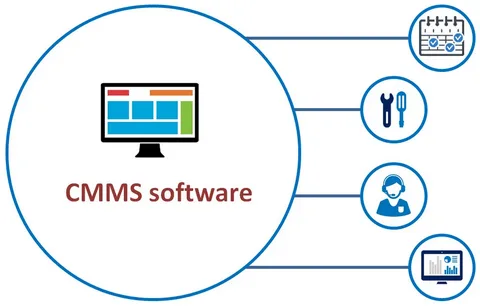
The Computerized Maintenance Management Systems (CMMS) market is witnessing growing adoption as industries seek smarter ways to manage assets, reduce equipment downtime, and extend operational lifespans. CMMS software enables organizations to digitize, automate, and monitor maintenance activities across facilities, production lines, and infrastructure assets. With increasing focus on operational efficiency, risk mitigation, and data-driven decision-making, CMMS is becoming an essential component of modern enterprise asset management strategies.
Centralizing Maintenance Workflows for Improved Efficiency
CMMS platforms serve as centralized hubs for scheduling, tracking, and documenting maintenance activities. Organizations can assign work orders, manage preventive maintenance tasks, and store historical service records in one system. This consolidation eliminates paper-based processes, reduces communication gaps, and improves technician productivity by ensuring real-time visibility into maintenance operations.
Get Ahead with Our Report: Request Your Sample Now!
Enabling Preventive and Predictive Maintenance
One of the key drivers of CMMS adoption is its ability to transition organizations from reactive to proactive maintenance. Through automated scheduling, condition monitoring, and analytics, CMMS platforms support preventive maintenance routines that help identify potential failures before they occur. With integrations to IoT sensors and real-time data inputs, CMMS also enables predictive maintenance strategies—extending asset life and reducing unplanned downtime.
Enhancing Asset Lifecycle Management
CMMS systems provide complete visibility into the health, performance, and history of assets across their entire lifecycle. This allows maintenance managers to make informed decisions regarding repair vs. replacement, budgeting for capital expenditures, and long-term asset planning. By ensuring that equipment is properly maintained and monitored, organizations can maximize return on investment and improve asset reliability.
Supporting Compliance and Safety Standards
Industries such as manufacturing, healthcare, energy, and aviation operate under strict safety and regulatory requirements. CMMS platforms help ensure compliance by maintaining accurate maintenance logs, automating inspection schedules, and generating audit-ready reports. This documentation is critical for meeting industry certifications, minimizing liability, and promoting a culture of safety and accountability.
Integrating with Enterprise and Facility Systems
Modern CMMS solutions are designed to integrate seamlessly with other enterprise systems such as ERP, SCADA, building automation, and inventory management platforms. This interoperability allows for holistic visibility into operations, improved inventory control, and accurate resource planning. Technicians can access work orders, spare parts data, and asset histories from any location through mobile CMMS applications.
Enabling Data-Driven Maintenance Strategies
Data generated through CMMS platforms provides actionable insights into equipment performance, failure patterns, technician response times, and maintenance costs. Organizations use these insights to benchmark performance, identify process inefficiencies, and refine maintenance strategies. Advanced reporting and dashboard capabilities enable better decision-making across operations and maintenance teams.
Facilitating Remote Maintenance Management
With the rise of remote work and distributed operations, cloud-based CMMS platforms provide remote access to critical maintenance tools and data. Maintenance teams can manage work orders, monitor asset conditions, and collaborate across locations in real time. This flexibility ensures business continuity and agility in both centralized and decentralized environments.
Improving Inventory and Spare Parts Management
CMMS platforms help organizations track spare parts availability, reorder points, supplier information, and consumption trends. By linking inventory data to maintenance activities, organizations can prevent delays caused by stockouts, reduce excess inventory costs, and improve response time for urgent repairs. Automated alerts and procurement integrations further streamline inventory control.
Boosting Workforce Productivity and Accountability
CMMS systems enhance technician productivity by providing step-by-step instructions, checklists, and access to asset documentation directly within work orders. Features like mobile access, barcode scanning, and time tracking improve task completion rates and ensure accountability. Maintenance managers can assign tasks based on skills, availability, and historical performance to maximize team efficiency.
Catapult Your Strategy: Secure Key Insights with Our Report Checkout!
Future Outlook
The CMMS market is expected to grow steadily as organizations across industries recognize the strategic value of optimized maintenance operations. With the convergence of AI, IoT, and cloud technologies, next-generation CMMS platforms will offer smarter recommendations, real-time diagnostics, and autonomous maintenance capabilities. As businesses continue to prioritize asset health, operational resilience, and cost efficiency, CMMS will remain a vital enabler of long-term success in asset-intensive environments.
About Future Market Insights (FMI)
Future Market Insights, Inc. (ESOMAR certified, recipient of the Stevie Award, and a member of the Greater New York Chamber of Commerce) offers profound insights into the driving factors that are boosting demand in the market. FMI stands as the leading global provider of market intelligence, advisory services, consulting, and events for the Packaging, Food and Beverage, Consumer Technology, Healthcare, Industrial, and Chemicals markets. With a vast team of 400 analysts worldwide, FMI provides global, regional, and local expertise on diverse domains and industry trends across more than 110 countries.
Contact Us:
Future Market Insights Inc.
Christiana Corporate, 200 Continental Drive,
Suite 401, Newark, Delaware – 19713, USA
T: +1-845-579-5705
For Sales Enquiries: sales@futuremarketinsights.com
Website: https://www.futuremarketinsights.com
LinkedIn| Twitter| Blogs | YouTube