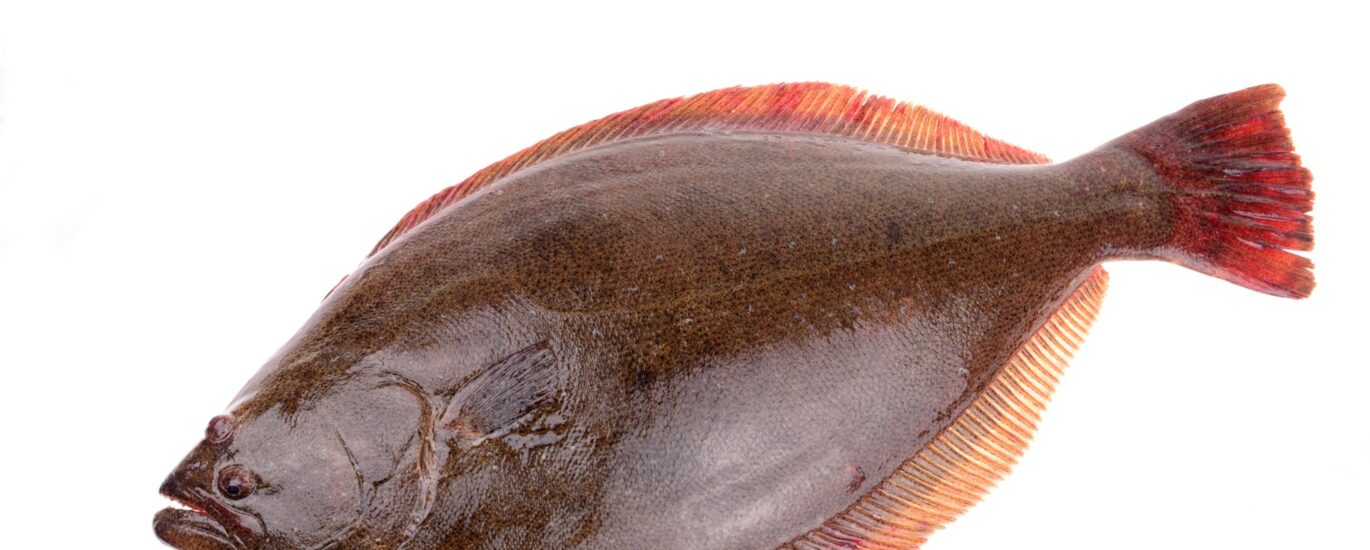
A new market forecast for the global halibut market predicts a steady growth trajectory over the next decade. The market, valued at an estimated USD 1.2 billion in 2025, is projected to reach approximately USD 1.9 billion by 2035, growing at a compound annual growth rate (CAGR) of 4.5%. This expansion is attributed to rising consumer demand for lean protein sources, enhanced cold-chain logistics, and significant growth in emerging markets, particularly within the Asia Pacific region.
While the halibut market currently holds a niche position, with a 0.5% to 0.7% share of the broader seafood market, its specialty status and premium pricing are driving stable value growth. The report highlights that Alaska Halibut will continue to be the dominant species, capturing a 39.8% market share in 2025.
Explore Key Insights – Request Your Sample Now! https://www.futuremarketinsights.com/reports/sample/rep-gb-22440
This dominance is a result of its superior flavor profile, high fillet yield, and robust, government-regulated sourcing practices managed by bodies like NOAA and the North Pacific Fishery Management Council. However, the report also raises critical sustainability concerns, noting that Pacific halibut stocks are nearing their lowest spawning biomass levels since the 1970s, as recently reported by media outlets like KMXT and The Cordova Times. These stock declines and subsequent catch quota reductions, such as the 10% decrease across Southeast Alaska, underscore the need for adaptive management strategies to ensure long-term resource availability.
In terms of distribution, store-based retail formats—including supermarkets, fishmongers, and premium seafood outlets—are set to maintain their market leadership with a 72.4% share in 2025. This preference reflects consumer trust in the freshness and quality assurance provided by in-person purchasing, as well as the ability to inspect products visually. Despite the rise of e-commerce, the logistical challenges of fresh seafood cold-chain management continue to limit online adoption. Similarly, restaurants remain the primary end-use segment, commanding a formidable 94.7% market share. Halibut’s versatility, mild flavor, and flaky texture make it a favorite among culinary professionals for upscale dining menus, which is further supported by the post-pandemic recovery in tourism and hospitality sectors.
The competitive landscape is dominated by a few key players who have leveraged vertical integration and extensive distribution networks to secure their positions. Companies such as Marine Harvest (holding an 11% share), Cooke Aquaculture, Stolt Sea Farm, and Cermaq Group benefit from optimized breeding programs and large-scale operations that provide year-round supply reliability. However, entry into the market remains challenging due to stringent regulatory frameworks, high capital requirements for infrastructure, and limited access to juvenile stock. Emerging competitors like Clearwater Seafoods are focusing on value differentiation through traceable sourcing and selective breeding to carve out their market presence.
Regionally, the growth forecast reveals a clear trend of expansion in non-traditional markets. India and China are projected to outperform the global average with impressive CAGRs of 5.6% and 5.2%, respectively. This growth in the BRICS economies is fueled by dietary diversification, a rising middle class, and investments in domestic aquaculture. By contrast, traditional markets like the United States (4.9% CAGR), the United Kingdom (4.5% CAGR), and Norway (4.3% CAGR) are showing more moderate, albeit stable, growth.
The future of the halibut market will be defined by a focus on health-driven demand, sustainable sourcing, and technological innovation. Producers are increasingly adopting traceability solutions, such as QR-enabled packaging, to provide batch-level verification of origin and harvest methods. Aquaculture is also playing a more significant role, with the adoption of Recirculating Aquaculture Systems (RAS) in land-based facilities to improve sustainability and stabilize supply. These efforts are crucial for balancing consumer demand with the pressing environmental concerns facing wild halibut stocks.
Buy the Full Report Now: https://www.futuremarketinsights.com/checkout/22440
Halibut Market Analyzed by Key Investment Segments
By Category:
The industry is segmented into Pacific Halibut, Atlantic Halibut, California Halibut, and Alaska Halibut.
By Distribution Channel:
The industry includes Store-Based, Non-Store-Based, and Others.
By End User:
The industry is segmented into Restaurants, Personal, and Others.
By Region:
The industry is categorized into North America, Latin America, East Asia, South Asia & Pacific, Western Europe, Eastern Europe, and Middle East & Africa.
About Future Market Insights (FMI)
Future Market Insights, Inc. (ESOMAR certified, recipient of the Stevie Award, and a member of the Greater New York Chamber of Commerce) offers profound insights into the driving factors that are boosting demand in the market. FMI stands as the leading global provider of market intelligence, advisory services, consulting, and events for the Packaging, Food and Beverage, Consumer Technology, Healthcare, Industrial, and Chemicals markets. With a vast team of over 400 analysts worldwide, FMI provides global, regional, and local expertise on diverse domains and industry trends across more than 110 countries.
Contact Us:
Future Market Insights Inc.
Christiana Corporate, 200 Continental Drive,
Suite 401, Newark, Delaware – 19713, USA
T: +1-347-918-3531
For Sales Enquiries: sales@futuremarketinsights.com
Website: https://www.futuremarketinsights.com
LinkedIn| Twitter| Blogs | YouTube