The mechanical performance tuning components market was valued at USD 202.8 billion in 2020 and is projected to reach USD 229.1 billion by 2025. From 2025 to 2035, the market is expected to expand at a CAGR of 3.0%, surpassing USD 306.9 billion by the end of the forecast period.
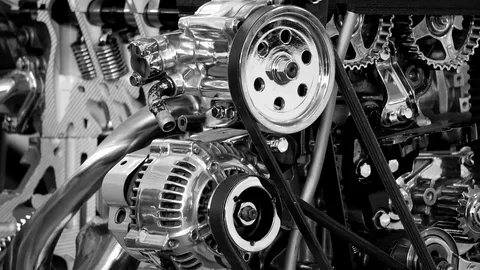
The mechanical performance tuning components market is expanding rapidly as automotive enthusiasts, motorsport teams, and performance-driven consumers seek to enhance vehicle capabilities beyond factory specifications. Mechanical tuning involves the use of specialized components—such as turbochargers, camshafts, pistons, intercoolers, exhaust systems, and suspension kits—to optimize engine output, handling, and durability. With the rising popularity of personalized vehicles and competitive motorsport culture, demand for high-quality, precision-engineered tuning parts continues to grow across both aftermarket and professional segments.
Elevating Vehicle Performance Through Precision Engineering
Mechanical performance tuning components are designed to unlock the full potential of an engine by improving air intake, fuel combustion, exhaust flow, and power delivery. Whether it’s increasing horsepower, torque, throttle response, or top speed, these components provide measurable improvements in performance. Tuners and workshops use these parts to tailor vehicles for specific goals—ranging from street-level enhancements to track-ready builds and off-road capabilities.
Get Ahead with Our Report: Request Your Sample Now!
https://www.futuremarketinsights.com/reports/sample/rep-gb-11077
Widespread Adoption Across Automotive Enthusiasts and Racing Teams
Performance tuning has evolved from a niche hobby into a global market embraced by car collectors, motorsport professionals, and DIY modifiers. Street tuners upgrade their vehicles with bolt-on kits to improve acceleration and aesthetics, while racing teams invest in advanced components that meet rigorous endurance and speed demands. Off-road and rally enthusiasts also rely on mechanical tuning to improve suspension travel, torque output, and durability across extreme terrains.
Growth of Aftermarket Ecosystem and Customization Culture
The rising demand for vehicle personalization has created a thriving aftermarket for performance tuning parts. Car owners are increasingly looking to differentiate their vehicles with unique mechanical upgrades that enhance both function and form. This trend is supported by a vast network of performance shops, online retailers, and tuning communities that share knowledge, offer installation services, and organize events. The culture of customization has become a significant driver of innovation and product diversification in this market.
Key Components Driving Performance Optimization
Popular mechanical tuning components include high-flow air filters, forged pistons, sport camshafts, lightweight flywheels, high-performance clutch systems, and variable valve timing units. Each component plays a specific role in boosting engine dynamics or vehicle stability. Upgraded suspension systems and anti-roll bars improve handling, while performance exhaust systems reduce backpressure and enhance engine sound. Together, these components transform a stock vehicle into a finely tuned machine.
Technological Advancements Enhancing Durability and Efficiency
Modern performance tuning components are built using advanced materials such as forged aluminum, carbon fiber, and high-strength steel alloys to withstand increased stress and thermal loads. Precision CNC machining, CAD modeling, and flow simulation are employed to optimize part geometry and performance. These innovations ensure that tuned vehicles maintain reliability and longevity even under demanding operating conditions.
Motorsport Influence and OEM Collaboration
Motorsport continues to play a pivotal role in shaping the mechanical tuning market. Race-proven technologies often make their way into consumer-grade products, with manufacturers leveraging motorsport experience to validate designs. In some cases, OEMs collaborate with performance brands to offer factory-approved tuning kits and limited-edition high-performance models. This blurs the line between factory performance and aftermarket customization, further legitimizing the tuning industry.
Regulatory and Emissions Considerations
As emissions standards tighten globally, performance tuning faces increased scrutiny regarding environmental compliance. Manufacturers are developing components that deliver power gains without violating emission regulations or compromising fuel efficiency. Catalytic converter-compatible exhaust systems, low-emission air intake kits, and tune-safe engine components are gaining traction among environmentally conscious enthusiasts and regulators alike.
Digital Integration and Data-Driven Tuning Synergies
Mechanical performance tuning is increasingly being combined with electronic control unit (ECU) remapping and real-time telemetry. Tuners use data from onboard diagnostics and sensors to fine-tune component settings for optimal performance. Adjustable suspension systems, electronic wastegates, and digital throttle controls allow for customized setups tailored to driving style and track conditions. This integration of mechanical and digital systems adds a new layer of sophistication to performance tuning.
Expanding Global Markets and Online Distribution Channels
The mechanical tuning components market is expanding beyond traditional strongholds in North America, Europe, and Japan. Emerging markets in Asia-Pacific, Latin America, and the Middle East are witnessing growing interest in performance culture and vehicle customization. E-commerce platforms and global shipping have made it easier than ever for consumers to access specialized parts and kits, contributing to the market’s global reach and competitiveness.
Drive Your Business Growth Strategy: Checkout the Report for Key Insights!
https://www.futuremarketinsights.com/checkout/11077
Future Outlook
The mechanical performance tuning components market is poised for continued growth as consumers seek more engaging driving experiences and personalized automotive identities. Advancements in materials, manufacturing, and design will drive the development of lighter, stronger, and more efficient components. As hybrid and electric powertrains enter the performance landscape, new categories of tuning parts will emerge—ensuring that mechanical tuning remains a vibrant and evolving segment within the broader automotive industry.
About Future Market Insights (FMI)
Future Market Insights, Inc. (ESOMAR certified, recipient of the Stevie Award, and a member of the Greater New York Chamber of Commerce) offers profound insights into the driving factors that are boosting demand in the market. FMI stands as the leading global provider of market intelligence, advisory services, consulting, and events for the Packaging, Food and Beverage, Consumer Technology, Healthcare, Industrial, and Chemicals markets. With a vast team of 400 analysts worldwide, FMI provides global, regional, and local expertise on diverse domains and industry trends across more than 110 countries.
Contact Us:
Future Market Insights Inc.
Christiana Corporate, 200 Continental Drive,
Suite 401, Newark, Delaware – 19713, USA
T: +1-845-579-5705
For Sales Enquiries: sales@futuremarketinsights.com
Website: https://www.futuremarketinsights.com
LinkedIn| Twitter| Blogs | YouTube