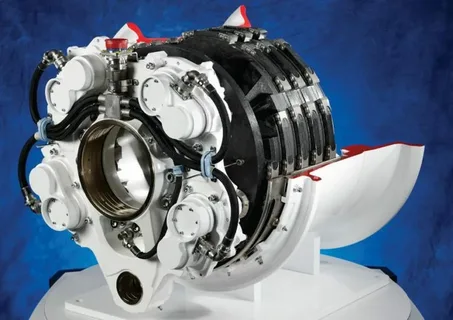
Aircraft carbon Brake Disc Market from 2025 to 2035 demand forecast market growth gas cycles. It is expected to grow from USD 1.3 Billion in 2025 to USD 2.3 Billion in 2035 at a CAGR of 5.5% over the forecasted period. Interestingly, carbon brake discs are also utilized in commercial, military, and business aviation because they dissipate heat better, are lighter and are more durable than traditional steel brakes.
The aircraft carbon brake disc market is advancing steadily as aviation stakeholders seek high-performance, lightweight, and durable braking solutions. Carbon brake discs, known for their superior thermal resistance, wear characteristics, and weight-saving properties, have become the preferred choice for modern commercial, military, and business aircraft. These advanced braking systems not only improve aircraft efficiency and safety but also align with broader goals of sustainability and operational cost reduction.
Improving Aircraft Safety and Braking Efficiency
Carbon brake discs play a crucial role in enabling safe and reliable aircraft operations by offering exceptional stopping power under high-speed and high-temperature conditions. Their ability to dissipate heat effectively reduces the risk of brake fade, ensuring consistent braking performance across multiple landings and adverse weather scenarios. This makes them indispensable for aircraft operating on high-frequency routes or in challenging environments.
Get Ahead with Our Report: Request Your Sample Now!
https://www.futuremarketinsights.com/reports/sample/rep-gb-10467
Extensive Adoption Across Aircraft Categories
The application of carbon brake discs spans a wide range of aircraft, including large commercial jets, regional aircraft, military fighters, and business jets. Commercial airlines value these brakes for their durability and lower maintenance needs, while defense forces leverage their high thermal stability during rapid, repeated operations. Business aviation benefits from the combination of lightweight construction and premium performance, which contributes to smoother landings and reduced turnaround time.
Weight Reduction and Fuel Efficiency
One of the key advantages of carbon brake discs is their ability to significantly reduce overall aircraft weight. Compared to traditional steel or iron discs, carbon brakes are substantially lighter, directly contributing to lower fuel consumption and extended flight range. This weight reduction also improves payload capacity, enabling airlines to optimize operational efficiency without compromising safety or performance.
Superior Thermal and Wear Resistance
Carbon brake discs exhibit high resistance to thermal degradation, making them ideal for repeated landings and high-energy stops. Their structural integrity is maintained even under extreme temperatures, allowing for a longer operational life and fewer replacements. Additionally, carbon materials wear down more gradually, providing consistent performance over time and reducing the frequency of maintenance interventions.
Support for High-Cycle Operations and Cost Reduction
Airlines and fleet operators prioritize components that offer long-term reliability and minimal downtime. Carbon brake discs meet these requirements by offering more brake landings per overhaul and reduced maintenance intervals. The extended lifecycle and low wear rates translate into lower operating costs and fewer spare parts, which are significant advantages for high-utilization aircraft in commercial and cargo operations.
Technology Advancements Driving Product Development
Ongoing innovations in material science and manufacturing processes are further enhancing the performance of carbon brake discs. New composite formulations and improved carbon fiber architectures are increasing durability, reducing heat generation, and accelerating cooling rates. Additionally, precision machining and advanced surface treatments are helping optimize friction characteristics and ensure consistent brake response.
Rising Demand from Emerging Aviation Markets
Growth in air travel across emerging economies is fueling demand for new aircraft equipped with the latest braking systems. Airlines in Asia-Pacific, the Middle East, and Latin America are expanding their fleets and modernizing older aircraft, driving the uptake of carbon brake discs. Military modernization programs in several countries are also boosting demand, particularly for fighter jets and transport aircraft that require high-performance braking solutions.
Environmental Benefits and Sustainability Integration
Carbon brake discs support aviation sustainability efforts by reducing environmental impact throughout the product lifecycle. Their lighter weight contributes to lower fuel burn and greenhouse gas emissions, while their durability reduces material waste and the frequency of replacements. As the aviation industry moves toward greener operations, components like carbon brakes are gaining importance in achieving sustainability goals.
Aftermarket Growth and MRO Opportunities
The aftermarket for aircraft carbon brake discs is expanding as airlines invest in maintenance, repair, and overhaul (MRO) services to extend aircraft lifespan. Independent MRO providers and OEMs offer tailored brake servicing solutions, including refurbishment, inspection, and replacement programs. The emphasis on cost control and fleet reliability is making aftermarket support a vital component of the carbon brake disc value chain.
Drive Your Business Growth Strategy: Checkout the Report for Key Insights!
https://www.futuremarketinsights.com/checkout/10467
Future Outlook
The aircraft carbon brake disc market is set for sustained growth, driven by increased aircraft deliveries, rising air traffic, and the aviation industry’s focus on performance, safety, and sustainability. Future developments will likely center on next-generation materials, enhanced thermal management, and integration with smart aircraft systems for predictive maintenance. As airlines and militaries seek lighter, longer-lasting, and more efficient braking solutions, carbon brake discs will continue to play a pivotal role in shaping the next era of aviation safety and performance.
About Future Market Insights (FMI)
Future Market Insights, Inc. (ESOMAR certified, recipient of the Stevie Award, and a member of the Greater New York Chamber of Commerce) offers profound insights into the driving factors that are boosting demand in the market. FMI stands as the leading global provider of market intelligence, advisory services, consulting, and events for the Packaging, Food and Beverage, Consumer Technology, Healthcare, Industrial, and Chemicals markets. With a vast team of 400 analysts worldwide, FMI provides global, regional, and local expertise on diverse domains and industry trends across more than 110 countries.
Contact Us:
Future Market Insights Inc.
Christiana Corporate, 200 Continental Drive,
Suite 401, Newark, Delaware – 19713, USA
T: +1-845-579-5705
For Sales Enquiries: sales@futuremarketinsights.com
Website: https://www.futuremarketinsights.com
LinkedIn| Twitter| Blogs | YouTube