

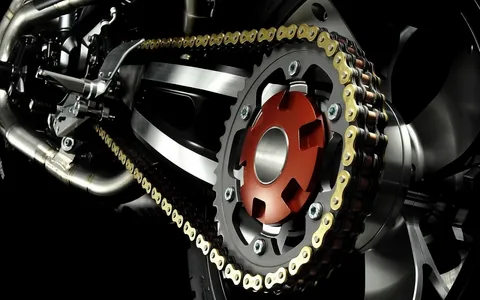
The motorcycle chain sprocket market is projected to reach USD 2,751.9 Million in 2025 and is expected to grow to USD 4,700.6 Million by 2035, registering a CAGR of 5.5% over the forecast period. The expansion of the motorcycle industry, increasing popularity of electric motorcycles, and growing demand for precision-engineered sprockets for improved performance and longevity are shaping the industry’s future. Additionally, advancements in lightweight materials such as aluminum alloy and carbon fiber-reinforced sprockets are fueling market expansion.
The motorcycle chain sprocket market continues to evolve as performance expectations, durability requirements, and cost efficiency become increasingly important in the two-wheeler segment. Chain sprockets, key components of a motorcycle’s final drive system, play a vital role in transmitting engine power to the rear wheel, impacting acceleration, top speed, and fuel efficiency. As the motorcycle industry diversifies to serve both urban mobility and high-performance applications, demand for reliable and efficient chain sprocket systems is on the rise.
Crucial Link Between Engine and Wheel
Motorcycle chain sprockets, typically composed of a front (drive) and rear (driven) sprocket, work in tandem with a roller chain to convert engine power into forward motion. The size and configuration of these sprockets determine gear ratios, affecting how a motorcycle responds in different speed and load conditions. Accurate sprocket engineering ensures smooth torque transfer, reduces drivetrain noise, and minimizes vibration — all of which are crucial for maintaining ride quality and mechanical integrity.
Get Ahead with Our Report: Request Your Sample Now!
https://www.futuremarketinsights.com/reports/sample/rep-gb-8178
Wide Adoption Across Motorcycle Categories
Chain-driven systems are the most common final drive choice across a broad spectrum of motorcycles, from lightweight commuter bikes to sportbikes and off-road models. Commuter motorcycles use standard steel sprockets optimized for longevity and low maintenance. In contrast, sport and performance motorcycles often employ high-precision sprockets made of lightweight alloys or specially treated steel to reduce rotating mass and improve acceleration. Off-road motorcycles demand durable sprockets that resist wear from dust, mud, and debris while delivering high torque handling.
Technological Advancements Boosting Performance
Recent developments in materials and manufacturing have significantly enhanced the durability and performance of chain sprockets. Advanced hardening techniques, such as induction hardening and surface nitriding, extend wear life by improving surface hardness. Precision CNC machining and laser cutting improve tooth geometry, reducing friction and ensuring better chain engagement. Lightweight aluminum sprockets with hardened steel inserts are gaining popularity for combining performance with durability in racing and performance segments.
Maintenance, Durability, and Rider Safety
A well-maintained chain sprocket system is essential for ensuring motorcycle safety and performance. Worn or misaligned sprockets can cause chain slippage, erratic power delivery, and even drivetrain failure. Modern sprockets are designed with self-cleaning grooves, rust-resistant coatings, and reinforced mounting holes to improve operational lifespan and reduce maintenance intervals. Riders and service technicians are increasingly looking for long-life sprocket systems that balance reliability with easy installation and adjustment.
Aftermarket Growth and Customization Trends
The aftermarket for motorcycle chain sprockets is expanding rapidly as riders seek performance upgrades, gearing customization, and replacements for OEM parts. Custom sprocket sets allow riders to modify gear ratios for better acceleration or fuel efficiency, depending on usage. The growing popularity of motorcycle racing, touring, and adventure biking has spurred interest in high-performance sprocket kits tailored to specific terrains and riding styles. The availability of branded kits, color-anodized options, and lightweight designs has further fueled this trend.
Sustainability and Material Efficiency
Environmental awareness is influencing sprocket manufacturing practices, with manufacturers adopting more sustainable materials and production methods. Recyclable metals, energy-efficient forging, and precision machining contribute to reduced environmental impact without compromising product strength. Additionally, modern chain sprocket systems are being designed to maximize lifespan and reduce the frequency of replacements, aligning with circular economy principles.
Electrification and Changing Drivetrain Requirements
While chain sprockets remain dominant in internal combustion engine motorcycles, their relevance is also extending into electric motorcycles, especially in mid-range and off-road categories. Electric drivetrains introduce different torque and load characteristics, requiring sprockets with enhanced wear resistance and noise-reducing designs. As electric motorcycles become more mainstream, sprocket systems are being reengineered to meet new performance standards.
Future Outlook
The motorcycle chain sprocket market is set to grow steadily in tandem with global motorcycle demand and diversification. As riders continue to seek performance, reliability, and customization, sprocket systems will remain integral to drivetrain innovation. Looking forward, advancements in smart materials, wear monitoring technologies, and integrated drive systems may reshape how chain sprockets contribute to efficiency, safety, and the overall riding experience in the next generation of motorcycles.
Drive Your Business Growth Strategy: Checkout the Report for Key Insights!
https://www.futuremarketinsights.com/checkout/8178
Future Market Insights, Inc. (ESOMAR certified, recipient of the Stevie Award, and a member of the Greater New York Chamber of Commerce) offers profound insights into the driving factors that are boosting demand in the market. FMI stands as the leading global provider of market intelligence, advisory services, consulting, and events for the Packaging, Food and Beverage, Consumer Technology, Healthcare, Industrial, and Chemicals markets. With a vast team of 400 analysts worldwide, FMI provides global, regional, and local expertise on diverse domains and industry trends across more than 110 countries.
Contact Us:
Future Market Insights Inc.
Christiana Corporate, 200 Continental Drive,
Suite 401, Newark, Delaware – 19713, USA
T: +1-845-579-5705
For Sales Enquiries: sales@futuremarketinsights.com
Website: https://www.futuremarketinsights.com
LinkedIn| Twitter| Blogs | YouTube




