The automotive garage equipment market is poised for significant expansion over the next few years, with its market value worth USD 31.8 billion in 2025 and is poised to reach USD 75.3 billion by 2035. This strong growth trajectory, representing a CAGR of 9.0%, reflects the rapid evolution of the automotive service industry.
As automotive technologies evolve and vehicle ownership continues to rise globally, the automotive garage equipment market is becoming an essential enabler of modern vehicle maintenance and repair. From electric vehicles and ADAS-enabled cars to connected fleets and smart diagnostics, the workshop ecosystem is undergoing a major transformation—driven by advanced equipment that ensures precision, efficiency, and safety.
This shift is redefining the garage experience, making modern service bays smarter, more automated, and capable of handling the complex demands of today’s automotive landscape.
Get Ahead with Our Report: Request Your Sample Now!
Empowering the Modern Workshop
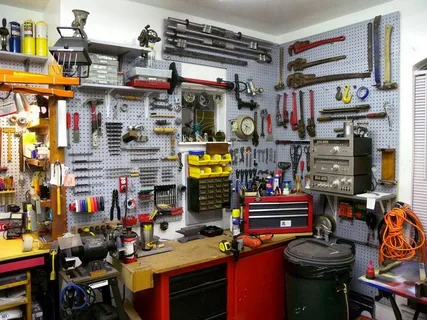
Automotive workshops are no longer just about wrenches and lifts—they are data-driven service centers powered by intelligent equipment. From digital diagnostic tools and emission analyzers to wheel alignment systems and automated lifts, garages are investing in technology that improves service accuracy, reduces downtime, and enhances customer satisfaction.
As vehicles become more complex with embedded electronics and software-driven functions, garage operators must rely on sophisticated diagnostic and testing tools to troubleshoot and maintain performance. This evolution is turning traditional garages into high-tech hubs of automotive care.
EVs, ADAS, and the Rise of Smart Equipment
The global shift toward electric and hybrid vehicles is creating new requirements for garage equipment. Specialized tools for battery diagnostics, thermal management systems, and high-voltage safety are increasingly in demand. Similarly, the growing integration of Advanced Driver Assistance Systems (ADAS) requires calibration equipment that can handle radar, LIDAR, and camera-based technologies.
Workshops must now be equipped not only for mechanical tasks but also for sensor alignment, software updates, and digital performance checks—making smart, connected garage tools indispensable for comprehensive vehicle servicing.
Digital Diagnostics and Predictive Maintenance Take Hold
Connected vehicles are generating a wealth of data, enabling workshops to move from reactive repairs to proactive maintenance strategies. With the help of digital diagnostic platforms, garages can access real-time vehicle health data, perform remote troubleshooting, and even predict component failures before they occur.
This predictive maintenance capability is being powered by cloud-based analytics, wireless diagnostics, and integrated vehicle communication interfaces—streamlining workflows and minimizing vehicle downtime for both personal users and commercial fleet operators.
Exhaustive Market Report: A Complete Study
Regulations and Safety Drive Equipment Innovation
Automotive safety standards and environmental regulations are also shaping garage equipment trends. Emissions control testing, brake safety diagnostics, and regulatory inspections are driving demand for precise and compliant testing equipment.
Furthermore, workplace safety remains a priority. Equipment such as hydraulic lifts, wheel balancers, and air compressors are increasingly being designed with safety automation, ergonomic features, and remote-control functionality to protect technicians while enhancing productivity.
Training and Skill Development Become Critical
The transition to sophisticated garage equipment necessitates a parallel investment in workforce skills. Technicians require training in the use of advanced diagnostics, software tools, and EV servicing protocols. As a result, many garage equipment manufacturers are partnering with vocational institutes and service chains to offer technical education, certification programs, and equipment-specific training modules.
This skills ecosystem ensures that technology adoption is effective and technicians are equipped to deliver high-quality service in a rapidly evolving automotive environment.
Growth of Service Networks and Independent Garages
With the rising need for reliable and consistent vehicle servicing, multi-brand service centers and dealership networks are expanding their footprint. This growth is boosting demand for standardized, interoperable garage equipment that supports diverse vehicle brands and models.
At the same time, small and independent garages are investing in modular and scalable equipment that offers cost-efficiency without compromising functionality. Portable tools, mobile diagnostics, and plug-and-play systems are gaining popularity among these operators looking to modernize within budget constraints.
Sustainability and Smart Workshop Practices
Environmental sustainability is becoming a growing priority in the garage ecosystem. Energy-efficient compressors, oil recycling systems, and water-based cleaning equipment are being adopted to reduce the ecological footprint of service operations. Smart workshop management software is also helping optimize resource use, streamline operations, and monitor equipment performance.
From paperless invoicing and digital customer records to real-time workflow dashboards, digital transformation is making workshops greener, smarter, and more efficient.
Outlook: Automation, Connectivity, and Customization
The future of the automotive garage equipment market lies in intelligent automation, IoT integration, and customized solutions tailored to emerging vehicle technologies. As connected vehicles and autonomous systems enter the mainstream, garage equipment will need to evolve in tandem—offering cloud connectivity, remote diagnostics, and seamless integration with OEM platforms.
Technologies such as augmented reality for repair guidance, robotic tools for tire and component handling, and AI-powered diagnostics are likely to reshape the service landscape—enabling garages to deliver faster, smarter, and more accurate maintenance services.
Enabling the Next-Gen Vehicle Ecosystem
At the crossroads of mobility innovation and service excellence, the automotive garage equipment market is playing a pivotal role. By equipping workshops with the tools and technologies they need to service modern vehicles, it is ensuring that the mobility ecosystem remains efficient, safe, and future-ready.
As vehicles become smarter, greener, and more connected, so too must the garages that keep them running—supported by an ecosystem of advanced equipment, skilled technicians, and a shared commitment to innovation.
Drive Your Business Growth Strategy: Checkout the Report for Key Insights!
About Future Market Insights (FMI)
Future Market Insights, Inc. (ESOMAR certified, recipient of the Stevie Award, and a member of the Greater New York Chamber of Commerce) offers profound insights into the driving factors that are boosting demand in the market. FMI stands as the leading global provider of market intelligence, advisory services, consulting, and events for the Packaging, Food and Beverage, Consumer Technology, Healthcare, Industrial, and Chemicals markets. With a vast team of 400 analysts worldwide, FMI provides global, regional, and local expertise on diverse domains and industry trends across more than 110 countries.
Contact Us:
Future Market Insights Inc.
Christiana Corporate, 200 Continental Drive,
Suite 401, Newark, Delaware – 19713, USA
T: +1-845-579-5705
For Sales Enquiries: sales@futuremarketinsights.com
Website: https://www.futuremarketinsights.com
LinkedIn| Twitter| Blogs | YouTube