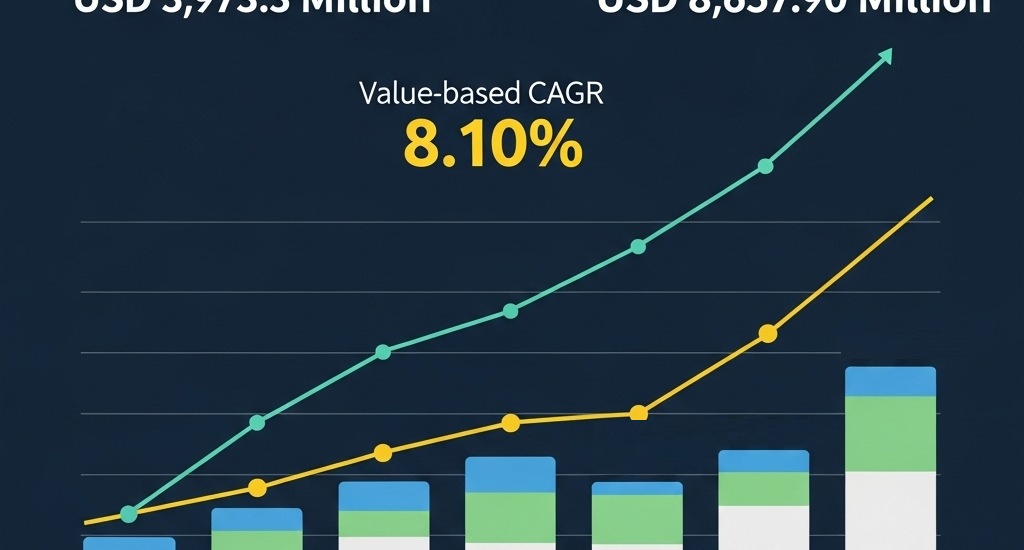
The healthcare business intelligence (BI) market size is forecasted to reach a valuation of USD 3,973.3 million by the end of 2024. The market is anticipated to thrive at a CAGR of 8.10%, reaching a valuation of USD 8,657.90 million by the end of the forecast period.
For years, healthcare leaders promised that business intelligence (BI) would revolutionize patient care. It hasn’t—at least, not for everyone. The tools exist. The data is abundant. But the impact? Still uneven, still inaccessible, and still falling short of what the system desperately needs.
Get Sample Report: – https://www.futuremarketinsights.com/reports/sample/rep-gb-14442
💡 The BI Boom Is Real—But Misleading
Yes, the numbers look great on paper. According to Future Market Insights (FMI), the global Healthcare Business Intelligence market is expected to skyrocket from $4.7 billion in 2022 to more than $21.5 billion by 2032, growing at a CAGR of 16.1%. That kind of trajectory sounds like a success story.
But here’s the reality: rapid growth doesn’t equal meaningful transformation. Especially not in an industry where patients suffer from inefficiencies every day, and frontline clinicians are drowning in unusable data.

📉 Big Systems Win, Small Clinics Lag
What FMI doesn’t sugarcoat—and what the industry often ignores—is that adoption is fragmented. Large health systems with deep pockets have the luxury to invest in custom BI platforms, AI integration, and specialized analytics teams.
But what about rural hospitals? Solo practices? Community clinics that serve low-income populations? They’re getting left behind. And no, that’s not an unfortunate side effect. It’s a systemic failure.
⚠️ Broken Promises, Missed Opportunities
FMI outlines the market’s biggest pain points, and they’re not surprising—but they are damning.
- Siloed Systems: Data from different departments, EHRs, labs, and wearables rarely sync. The result? A fractured picture that’s anything but intelligent.
- Lack of Skilled Talent: BI software doesn’t run itself. Clinics need analysts, not just dashboards—and they don’t have them.
- Unrealistic Costs: The financial burden of adoption is overwhelming for smaller organizations. The return on investment? Often hypothetical.
- Data Privacy Nightmares: With more data comes more liability. And many organizations simply aren’t ready for that responsibility.
This isn’t just technical debt—it’s ethical debt. Every missed insight, every unflagged risk, every inefficiency puts patients at risk.
🩺 Intelligence Without Empathy Is Useless
Let’s be blunt. Healthcare BI has been designed for institutions, not for people. The dashboards are built for administrators. The insights are engineered for executives. Where is the tool that makes a nurse’s life easier? Where’s the system that helps a primary care doctor treat—not just track—a diabetic patient?
We’ve mistaken digitization for progress. They’re not the same thing. Not even close.
🚨 A Tipping Point, Not a Triumph
We’re at a crossroads. According to FMI, the sector’s future depends on fixing foundational issues: integrating systems, lowering barriers to entry, and embedding analytics into actual care delivery—not just billing.
But the clock is ticking. If we continue down this path—prioritizing profit-driven rollouts and flashy tech over usability and access—we will squander the full potential of BI in healthcare.
Explore In-Depth Analysis-Click Here to Access the Report:- https://www.futuremarketinsights.com/reports/healthcare-business-intelligence-market
Segmentation Analysis of the Healthcare Business Intelligence Industry
By Function:
- The healthcare business intelligence market is classified into clinical analytics, financial analytics and operational analytics.
By Deployment:
- The healthcare business intelligence market is classified into on premise and cloud based.
By Region:
- Analysis of the healthcare business intelligence market has been carried out in key countries of North America, Latin America, Western Europe, South Asia, East Asia, Eastern Europe and Middle East & Africa.