In an era where energy efficiency and sustainability have become key drivers for industries worldwide, the need for innovative insulation solutions has never been more pressing. One area that has seen significant advancements is industrial pipe insulation, particularly in sectors such as oil and gas, chemical processing, and manufacturing. Traditional materials like fiberglass and mineral wool have long been the industry standard, but as energy costs rise and environmental regulations tighten, industries are increasingly seeking more effective alternatives.
Among these alternatives, aerogel, a material that has largely remained on the fringes of the insulation market, is emerging as a game-changer with the potential to revolutionize how we approach thermal insulation in industrial settings.
𝐌𝐚𝐤𝐞 𝐈𝐧𝐟𝐨𝐫𝐦𝐞𝐝 𝐃𝐞𝐜𝐢𝐬𝐢𝐨𝐧𝐬 – 𝐀𝐜𝐜𝐞𝐬𝐬 𝐘𝐨𝐮𝐫 𝐒𝐚𝐦𝐩𝐥𝐞 𝐑𝐞𝐩𝐨𝐫𝐭 𝐈𝐧𝐬𝐭𝐚𝐧𝐭𝐥𝐲! https://www.futuremarketinsights.com/reports/sample/rep-gb-6810
Rethinking Pipe Insulation in the Age of Energy Efficiency
Industrial facilities consume vast amounts of energy, much of which is lost due to inefficient insulation. Poorly insulated pipes can lead to significant heat loss, resulting in higher energy consumption and, ultimately, increased operational costs. According to a study by the U.S. Department of Energy, up to 10% of industrial energy consumption can be attributed to heat loss through poorly insulated pipes and equipment. This presents a compelling need for more advanced insulation solutions that can not only reduce energy waste but also improve safety and reduce maintenance costs.
As industries seek to meet stricter energy efficiency regulations and carbon reduction goals, the demand for higher-performing insulation materials has grown. While conventional materials such as fiberglass and mineral wool continue to dominate the market, they are increasingly seen as insufficient for meeting the demanding performance standards required by modern industries. This has led to the emergence of alternative materials, with aerogel standing out for its extraordinary thermal properties and potential to reshape the industrial insulation landscape.
What Makes Aerogel a Game-Changer?
Aerogel is often referred to as “frozen smoke” due to its unique structure, which consists of a solid network of nanoparticles that trap air within a highly porous structure. This gives aerogel its remarkably low thermal conductivity—one of the lowest of any known solid material. In fact, aerogels can achieve thermal conductivity values as low as 0.013 W/m·K, which is a significant improvement over traditional materials like fiberglass (0.035 W/m·K) and mineral wool (0.030 W/m·K). This makes aerogel a highly efficient insulator, particularly in applications where space and weight are critical considerations.
One of the key advantages of aerogel over conventional insulation materials is its space-saving ability. Due to its ultra-low thermal conductivity, aerogel can provide the same level of thermal protection as much thicker layers of fiberglass or mineral wool. This makes it ideal for applications in confined spaces where traditional insulation materials might be too bulky. Additionally, aerogel is hydrophobic, meaning it repels water, which helps prevent insulation degradation in environments exposed to moisture—another issue that conventional materials often face.
𝐔𝐧𝐥𝐨𝐜𝐤 𝐂𝐨𝐦𝐩𝐫𝐞𝐡𝐞𝐧𝐬𝐢𝐯𝐞 𝐌𝐚𝐫𝐤𝐞𝐭 𝐈𝐧𝐬𝐢𝐠𝐡𝐭𝐬 – 𝐄𝐱𝐩𝐥𝐨𝐫𝐞 𝐭𝐡𝐞 𝐅𝐮𝐥𝐥 𝐑𝐞𝐩𝐨𝐫𝐭 𝐍𝐨𝐰: https://www.futuremarketinsights.com/reports/industrial-pipe-insulation-materials-market
Real-World Applications and Performance
Despite being relatively niche, aerogel has found applications in several high-performance sectors where traditional insulation materials are not suitable. For example, liquefied natural gas (LNG) terminals, where cryogenic temperatures are prevalent, benefit from aerogel’s ability to maintain insulation integrity at extremely low temperatures. In fact, aerogel-based insulation was used in the construction of the Snohvit LNG plant in Norway, one of the world’s first large-scale LNG facilities to incorporate aerogel into its insulation systems. The material helped reduce the overall insulation thickness by nearly half, allowing for more efficient use of space and better thermal protection.
Similarly, aerogel is increasingly being used in offshore oil platforms, where harsh environmental conditions and the need for high thermal performance are crucial. A study conducted on the insulation of subsea pipelines in the North Sea demonstrated that aerogel-based thermal insulation reduced heat loss by more than 40% compared to conventional materials. This led to both significant energy savings and enhanced pipeline longevity, highlighting the long-term benefits of adopting aerogel in such demanding applications.
Market Challenges and Adoption Barriers
Despite its impressive performance, aerogel has yet to see widespread adoption in the industrial pipe insulation market, and there are several reasons for this. One of the primary barriers to adoption is cost. Aerogel is more expensive to manufacture than traditional materials like fiberglass, and its production processes are not as mature. As a result, the initial investment in aerogel-based insulation can be a deterrent for many companies, particularly in industries with tight margins.
Additionally, the installation of aerogel-based insulation requires specialized knowledge and expertise, as it is more delicate and requires specific handling. This has led to a lack of skilled installers, which further slows the material’s adoption in the market. Moreover, regulatory inertia plays a significant role in limiting the widespread use of aerogel, as industries tend to be conservative in adopting new technologies unless they are widely tested and proven.
The Future of Industrial Pipe Insulation: A Shift Toward High-Performance Materials
Looking ahead, the industrial pipe insulation market is expected to continue evolving toward higher-performance materials as the demand for energy-efficient and sustainable solutions grows. Although aerogel still represents a relatively small portion of the market, the ongoing advancements in nanomaterial technology and the growing focus on energy conservation are likely to increase its adoption in the coming years.
General & Advanced Materials Industry Analysis: https://www.futuremarketinsights.com/industry-analysis/general-and-advanced-materials
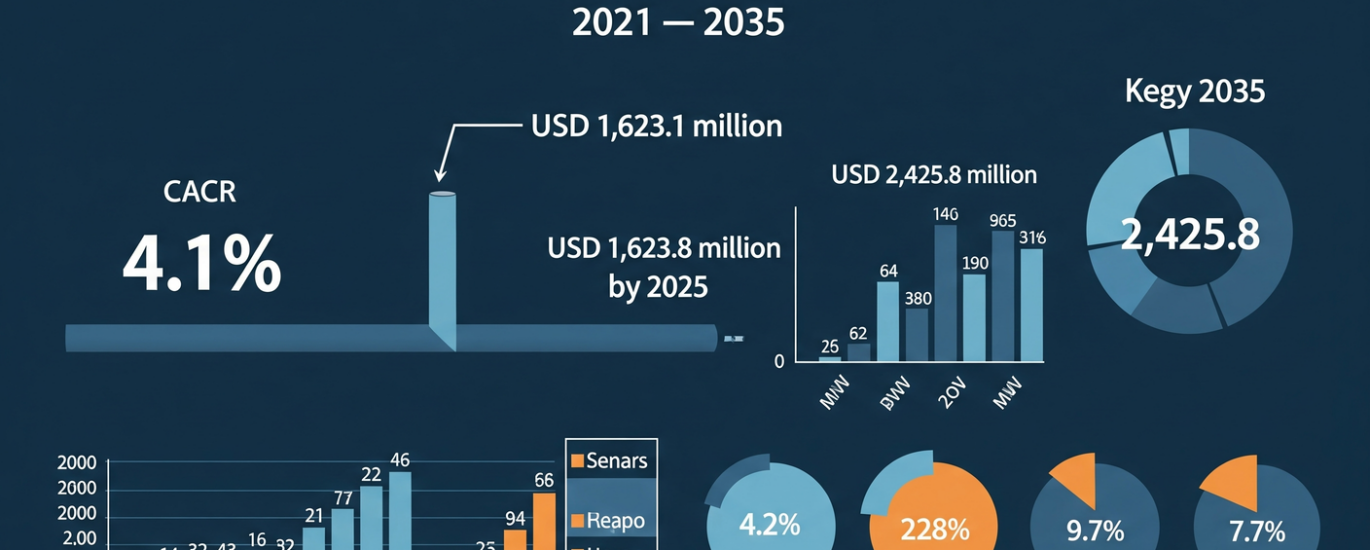
A market forecast report from Future Market Insights estimates that the global insulation market, including aerogel, will grow at a compound annual growth rate (CAGR) of 4.1% from 2025 to 2035. The increasing awareness of energy conservation and the need for more advanced thermal management solutions are expected to drive the demand for aerogel and other high-performance materials.
Furthermore, research and development efforts focused on reducing the production costs of aerogel, as well as increasing its durability and versatility, will likely make the material more accessible and feasible for a broader range of industrial applications. As these barriers are addressed, the adoption of aerogel in industrial pipe insulation will likely accelerate, providing significant energy savings and performance improvements.