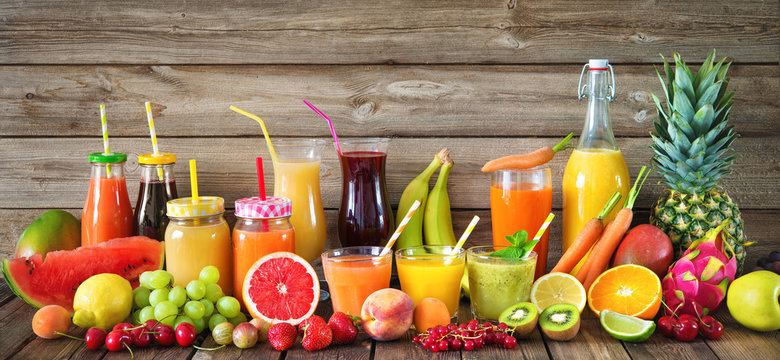
The global fruit beverages market is poised to grow from USD 50 billion in 2025 to USD 74 billion by 2035, registering a steady CAGR of 4.0% during the forecast period. This growth is supported by rising consumer preference for health-centric, organic, and functional beverages, alongside innovation in packaging and digital retail formats. Developed markets like the United States, UK, Germany, France, and Japan are showing strong momentum toward clean-label and low-sugar alternatives.
Uncover Essential Data – Get A Sample Copy
Market Trends Highlighted
Health-First Consumer Demand: Increasing demand for low-sugar, vitamin-enriched, and fiber-rich fruit beverages is a dominant trend, especially in developed economies with aging populations and rising health awareness.
Organic and Functional Beverages Surge: Consumers are prioritizing organic cold-pressed juices, probiotic blends, and functional smoothies, reshaping product innovation across major markets.
Sustainability and Clean Labels: Sustainability is central to market evolution, with a clear emphasis on eco-friendly packaging, natural ingredients, and transparent sourcing to meet rising consumer expectations.
Flavor Diversification & Localization: Traditional favorites remain popular, but exotic tropical blends, regional fruits, and seasonal limited editions are gaining traction, allowing brands to offer a fresh and localized experience.
Digital Sales Channels Expand: E-commerce, direct-to-consumer (D2C) subscriptions, and wellness-based delivery models are accelerating consumer reach, especially for niche and premium products.
Get Report Link : https://www.futuremarketinsights.com/reports/fruit-beverages-market
Key Takeaways of the Report
The global fruit beverages market is experiencing stable and sustainable growth, supported by a blend of health, flavor innovation, and convenience.
Leading brands are investing in fortified, clean-label products to attract health-conscious consumers across different age groups.
Functional beverages that support immunity, gut health, and energy are gaining ground, particularly in post-pandemic consumer behavior trends.
Packaging innovations such as recyclable bottles, smaller portion packs, and on-the-go formats are helping brands retain urban consumers.
Regulatory emphasis on sugar reduction and ingredient transparency is influencing R&D strategies and long-term branding.
Regional Market Outlook
Developed markets continue to lead the fruit beverages landscape with evolving consumer habits, policy support for healthier food options, and retail modernization. Here’s a regional breakdown:
North America (especially the U.S.) is seeing a shift toward wellness beverages with low sugar and clean ingredients, even within an already mature market.
Europe (including UK, Germany, and France) is leaning heavily into sustainability and sugar-free options, with a growing interest in locally sourced ingredients.
Asia-Pacific (notably Japan) is advancing through innovation in functional drinks tailored to an aging population and demand for compact, convenient formats.
Country-Wise Market Insights
United States – CAGR: 3.1% (2025–2035)
Despite being a mature market, the U.S. is witnessing steady growth due to increased demand for organic, low-sugar, and cold-pressed juices.
Major players are expanding into D2C and subscription models, tapping into wellness-focused consumer segments.
Health-conscious packaging and functional ingredients like vitamin C, fiber, and antioxidants are driving reformulation efforts.
United Kingdom – CAGR: 3.6%
A growing focus on no-added-sugar and plant-based beverages is reshaping product portfolios.
Government support for sugar reduction initiatives and strong youth engagement with eco-friendly, local products is aiding consistent growth.
Germany – CAGR: 3.9%
Consumers are demanding organic, probiotic, and functional juices with a focus on digestive and immune health.
Strict food labeling regulations and eco-conscious purchasing habits are pushing brands to enhance product transparency and sustainability.
France – CAGR: 3.3%
A blend of traditional fruit juice consumption (like orange and apple) with emerging interest in tropical blends and functional beverages is stabilizing market performance.
Regulatory scrutiny around sugar content and rising demand for premium, clean-label products are shaping innovation.
Japan – CAGR: 4.2%
Japan is the fastest-growing market among the top regions due to rising consumption of vitamin-fortified, fiber-rich drinks aligned with preventive health trends.
Company Profiles
- PepsiCo Inc.
- The Coca-Cola Company
- Nestlé S.A.
- Del Monte Foods
- Dabur Ltd.
- Ocean Spray Cranberries, Inc.
- Welch’s
- The Hain Celestial Group, Inc.
- Patanjali Ayurved
- Parle Agro Pvt Ltd
- Suntory Holdings Limited
Explore Functional Beverages Industry Analysis: https://www.futuremarketinsights.com/industry-analysis/functional-beverages
Key Segment
By Packaging:
Canned and Fresh
Non-Carbonated Drinks
Frozen Juices
By Distribution Channel:
Hypermarkets/Supermarkets
Convenience Stores
Online
By Product Type:
100% Fruit Juice
Juice Concentrates
Fruit Punch/Blends
Nectars
Fruit-Based Smoothies
By Fruit Type:
Citrus
Tropical
Berries
Apple
Mixed Fruits
By Category:
Organic
Conventional
By Consumer Demographic:
Kids
Adults
Elderly
By Claim/Positioning:
No Added Sugar
Fortified with Vitamins/Minerals
Probiotic/Functional
Cold-Pressed/Natural
Low-Calorie
By Region:
North America
Latin America
Western Europe
Eastern Europe
South Asia
East Asia
Middle East & Africa