


The global cold cuts market is witnessing strong growth driven by the rising consumer shift toward ready-to-eat meat options, increased urbanization, and fast-paced lifestyles. Estimated at USD 525 billion in 2024, the market is projected to reach USD 567.3 billion in 2025 and further expand to USD 1,336.1 billion by 2035, registering a robust CAGR of 8.5% during the forecast period (2025–2035).
Uncover Essential Data – Get A Sample Copy: https://www.futuremarketinsights.com/reports/sample/rep-gb-16684
Market Trends Highlighted:
- Rising Demand for Convenience Foods:
With increasingly hectic lifestyles and time constraints, consumers are opting for quick meal solutions, propelling demand for pre-packaged cold cuts such as ham, salami, and turkey slices. - Growth in Online and Supermarket Sales:
Expansion of modern retail channels and e-commerce platforms has improved cold cuts accessibility and visibility, encouraging more frequent purchases. - Premiumization and Product Innovation:
Manufacturers are launching gourmet and health-conscious variants, including low-sodium, organic, and nitrate-free cold cuts to attract health-aware consumers. - Shift Toward Protein-Rich Diets:
Increasing interest in high-protein diets is boosting consumption of meat-based products like cold cuts, particularly among fitness-conscious individuals and younger demographics. - Influence of Global Cuisines:
The integration of international cuisines in urban food cultures is enhancing the popularity of cold cuts in sandwiches, charcuterie boards, and meal kits.
Get Report Link : https://www.futuremarketinsights.com/reports/cold-cuts-market
Key Takeaways of the Report:
- Strong Decade-Long Growth Ahead:
The cold cuts market is expected to more than double over the next decade, showcasing solid demand fundamentals and product acceptance across all consumer segments. - Changing Consumer Behavior a Major Driver:
Urban consumers are gravitating toward convenience, value-for-money, and variety—factors that cold cuts uniquely fulfill. - Expanding Product Portfolios:
Brands are introducing a wider range of flavors, packaging formats, and portion sizes to cater to both mass-market and niche audiences. - Health-Focused Formulations:
The demand for preservative-free, clean-label, and plant-based cold cut alternatives is influencing product development strategies. - Cold Chain Infrastructure is Critical:
The market’s success is increasingly tied to the expansion of cold storage facilities and improvements in refrigerated transport systems to ensure product freshness and safety.
Regional Market Outlook:
United Kingdom (CAGR: 5.0%)
- Snacking and Meal Solutions: Increasing popularity of cold cuts as part of lunchbox snacks and protein-packed convenience meals is boosting growth.
- Premiumization Trend: Consumers show growing interest in gourmet and charcuterie-style cold cuts, often paired with cheeses and artisan bread.
France (CAGR: 4.8%)
- Culinary Tradition: Cold cuts such as saucisson and pâtés are staple components of traditional French meals, sustaining steady demand.
- Focus on Artisanal Quality: French consumers prefer handcrafted, regional varieties over mass-produced meats.
Germany (CAGR: 4.6%)
- High Per Capita Meat Consumption: A long-standing meat-eating culture continues to drive demand for a variety of cold cuts like salami and liverwurst.
- Demand for Convenience: Busy lifestyles are pushing sales of pre-sliced, ready-to-eat meats in resealable packaging.
Italy (CAGR: 4.4%)
- Rich Cold Cuts Heritage: Strong domestic production of traditional meats like prosciutto and mortadella sustains consumption.
- Exports Driving Growth: Italian cold cuts are increasingly exported to global markets, contributing to industry expansion.
South Korea (CAGR: 5.2%)
- Westernization of Diets: Urban consumers, especially younger generations, are adopting Western food habits, including sandwiches with deli meats.
- Rising Modern Retail: Growth in convenience stores and premium supermarkets makes cold cuts more available to a broader audience.
Japan (CAGR: 6.1%)
- High Growth Potential: Strongest CAGR among listed countries due to increasing awareness and trial of Western-style ready-to-eat meat products.
- Innovation in Flavors: Japanese consumers favor unique, fusion-style meat cuts such as teriyaki-flavored hams and miso-infused sausages.
China (CAGR: 5.1%)
- Rapid Urbanization: Demand rises as urban dwellers adopt fast, protein-rich food habits aligned with busy work life.
- Food Safety & Quality Focus: Consumers show a preference for imported or premium domestic cold cuts due to trust in quality standards.
Australia (CAGR: 4.9%)
- Growing Deli Culture: Increased demand for charcuterie platters, especially in foodservice and hospitality sectors, is driving market expansion.
- Clean Label Preferences: Consumers lean toward cold cuts with minimal additives and sustainable sourcing.
Key Players
- Tyson Foods, Inc.
- JBS S.A.
- Cargill Incorporated
- Hormel Foods Corporation
- Smithfield Foods, Inc. (WH Group)
- Conagra Brands, Inc.
- Maple Leaf Foods Inc.
- Kraft Heinz (Oscar Mayer)
- Seaboard Corporation & OSI Group
- Bar-S Foods Co.
- OSI Group, LLCa
Explore Meat, Poultry & Seafood Industry Analysis: https://www.futuremarketinsights.com/industry-analysis/meat-poultry-and-seafood
Cold Cuts Industry Analysis by Meat Type, Form, and Distribution Channel
By Product Type:
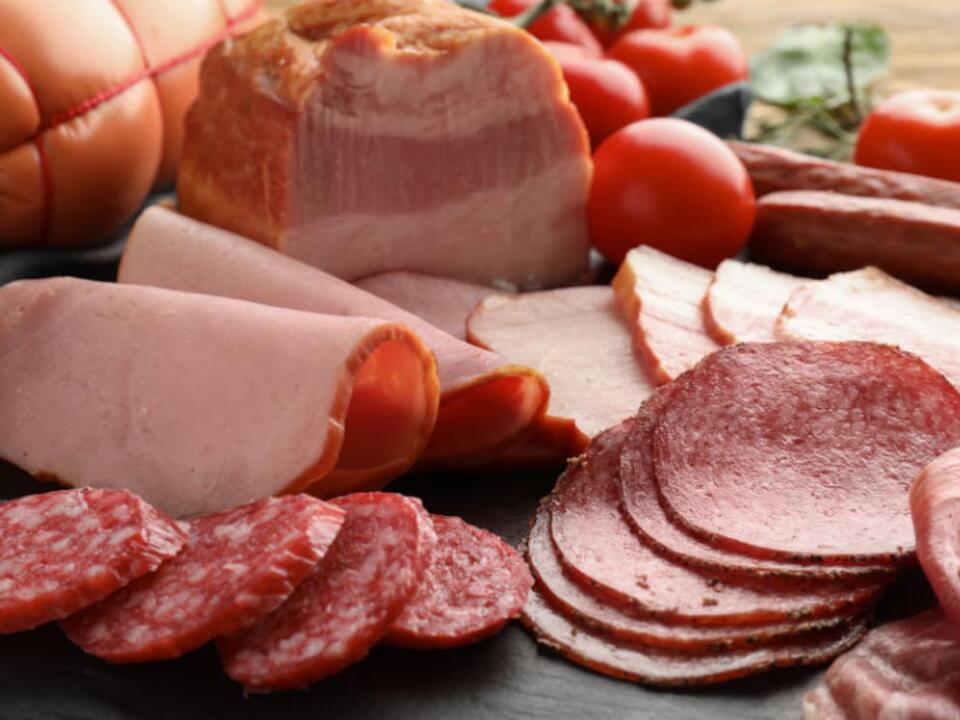
The segmentation is into Ham, Salami, Roast Meat, Meat Loaf, and Bierwurst.
By Source:
The segmentation is into Beef, Pork, and Chicken.
By Consumption:
The segmentation is into Sliced, Non-sliced, and Lunch Kits.
By Distribution Channel:
The segmentation is into business-to-business and business-to-consumer.
By Region:
The regions covered include North America, Latin America, Western Europe, Eastern Europe, East Asia, South Asia and the Pacific, Central Asia, Russia and Belarus, Balkan and Baltic Countries, and the Middle East and Africa.




