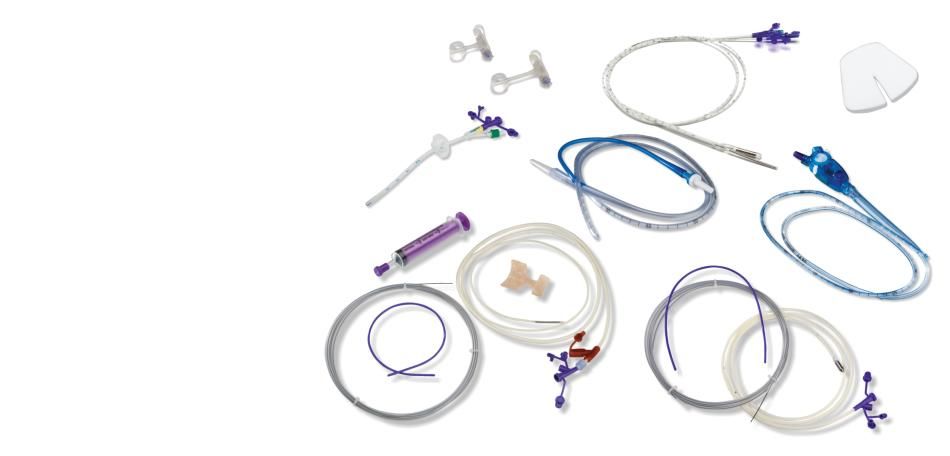
The enteral feeding devices market encompasses products used to deliver nutrition directly into the gastrointestinal tract. Products include feeding tubes, pumps, and accessories, designed for use in hospitals, long‑term care, and home settings. With rising malnutrition, chronic illnesses, and post‑operative needs, demand for enteral feeding devices remains strong.
Innovations in non‑invasive delivery, smart systems, and personalized nutrition are reshaping the market. Growing awareness among healthcare providers and caregivers increases adoption of enteral feeding solutions.
Market Trends
- Smart pumps and connected devices are gaining traction, enabling remote monitoring and dosage accuracy.
- Development of minimal discomfort feeding tubes improves patient quality of life and device acceptance.
- Home care expansion boosts the use of portable enteral feeding devices.
- Biocompatible materials and safety enhancements reduce risk of infection and tube blockage.
- Digital therapeutics integration, such as nutritional tracking apps linked with feeding pumps, is becoming common.
Get Sample Report: – https://www.futuremarketinsights.com/reports/sample/rep-gb-12403
Driving Forces Behind Market Growth
- Increasing prevalence of chronic conditions—such as stroke, cancer, and neurological disorders—fuels demand for enteral feeding devices.
- Shift toward outpatient and home‑care environments encourages portable and easy‑to‑use devices.
- Government and insurance reimbursement policies supporting enteral nutrition help drive market expansion.
- Rising geriatric population with age‑related swallowing disorders augments long‑term enteral nutrition use.
- Ongoing R&D investment by medical device companies launches advanced feeding solutions.
Challenges and Opportunities
- Regulatory complexity slows product approval and drives up costs in the enteral feeding devices market.
- High device and maintenance costs can deter adoption in lower‑income regions.
- Risks like tube displacement or infection require rigorous training and quality assurance.
- Opportunity lies in emerging economies where healthcare infrastructure and awareness are improving.
- Product customization and affordable generic versions present growth angles for market players.
- Collaboration between device makers and nutraceutical firms can lead to integrated feeding-nutrition systems.
Regional Analysis
- North America leads the enteral feeding devices market due to advanced healthcare, high reimbursement rates, and strong device adoption.
- Europe follows closely with supportive regulations and growing home‑care networks.
- Asia‑Pacific shows the fastest growth, driven by increasing healthcare budgets, larger patient pools, and expanding home health services.
- Latin America and Middle East & Africa present untapped potential, especially as healthcare access and awareness improve.
- Regional differences in reimbursement policies and caregiver training strongly influence market dynamics.
Top Companies
- Abbott Laboratories is a key player, with feeding pumps and nutritionally complete formulas.
- Fresenius Kabi offers both enteral feeding systems and extensive caregiver education.
- Baxter International produces feeding sets and pumps with user-friendly design.
- B. Braun Melsungen AG specializes in high‑quality sterile enteral feeding tubing and accessories.
- Cardinal Health focuses on value‑based device packs and distribution networks.
- Medtronic is innovating smart infusion pumps with remote monitoring capabilities.
- Kimberly‑Clark provides feeding administration sets alongside respiratory support products.
Explore In-Depth Analysis-Click Here to Access the Report:- https://www.futuremarketinsights.com/reports/enteral-feeding-devices-market
Segmentation Outlook
- By Device Type:
- Feeding tubes (nasogastric, gastrostomy, jejunostomy)
- Feeding pumps (pump‑based and gravity systems)
- Accessories (administration sets, syringes, extension tubes)
- By Technology:
- Traditional mechanical pumps
- Smart and Bluetooth‑enabled pumps
- Biocompatible, low‑bacterial devices
- By Application:
- Hospital‑based enteral feeding
- Home‑based enteral feeding
- Long‑term care facility use
- By Age Group:
- Pediatric
- Adult
- Geriatric
- By End‑User:
- Hospitals
- Home care providers
- Specialty clinics and rehabilitation centers