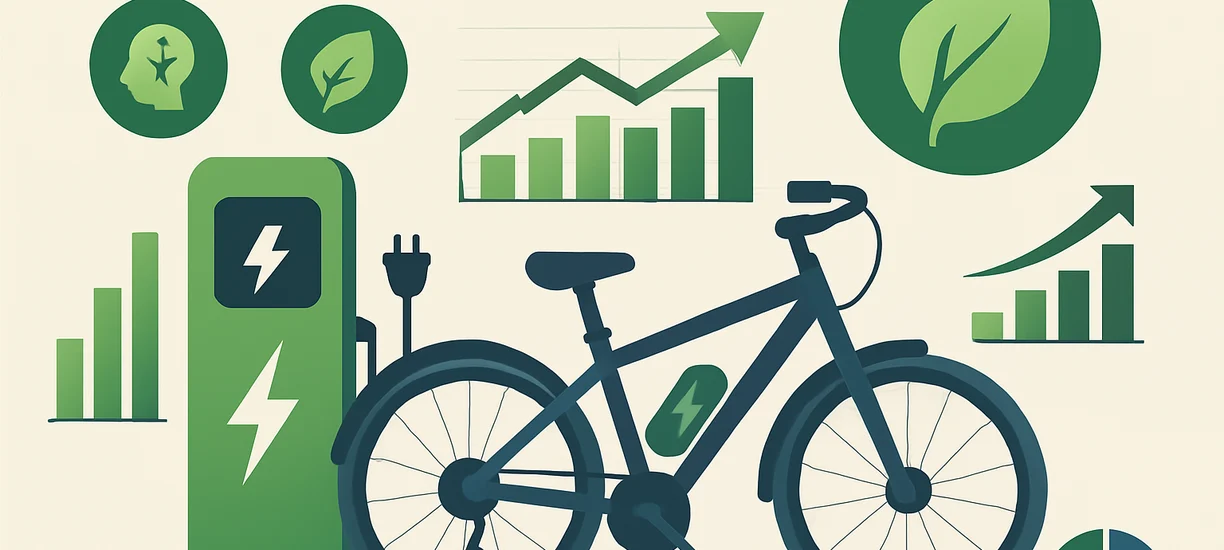
The Electric Bike (e-Bike) Market is set to grow rapidly between 2025 and 2035, driven by rising environmental awareness, growing demand for sustainable urban mobility, and advancements in battery and motor technologies. As cities strive to reduce carbon emissions and traffic congestion, electric bikes have emerged as a viable, eco-friendly transportation alternative for commuters, recreational users, and last-mile delivery services.
According to forecasts, the world market will increase from USD 54.7 billion in 2025 to USD 124.6 billion in 2035, with a CAGR of 8.5%. Thanks to the strong policy support, technological advancement, and shifting consumer attitudes, the e-Bikes have the potential to be at the forefront of the personal mobility revolution.
As cities grow more congested and the climate crisis demands cleaner alternatives, the way we move is being redefined—quietly, efficiently, and on two wheels. At the heart of this mobility shift lies a game-changer that blends tradition with technology: the electric bike.
Once considered a niche gadget, the electric bike—or e-bike—is now emerging as a serious contender in the transportation landscape. Offering the agility of a bicycle with the assistance of electric propulsion, e-bikes are reshaping daily commutes, last-mile logistics, and recreational rides around the globe.
Get Ahead with Our Report: Request Your Sample Now!
https://www.futuremarketinsights.com/reports/sample/rep-gb-4683
More Than a Bicycle: Powering the Commute of the Future
Electric bikes are more than just bicycles with motors. They’re sophisticated mobility solutions, equipped with pedal-assist systems, torque sensors, regenerative braking, and integrated battery management. With just the right amount of power at the right moment, e-bikes enable riders to go farther, climb steeper, and arrive faster—without breaking a sweat.
From urban commuters to delivery couriers, and from seniors to adventure seekers, e-bikes offer a flexible, accessible, and sustainable alternative to cars and motorcycles. They’re enabling people to rethink short-distance travel, and making cycling more inclusive than ever before.
Often Overlooked, Increasingly Indispensable
While electric cars and autonomous vehicles grab headlines, e-bikes are making quiet inroads into everyday life. In city centers where traffic snarls and parking are chronic issues, e-bikes offer freedom. In rural or hilly areas, they provide reliable transportation without the physical strain of a standard bicycle.
E-bikes are also becoming essential in emerging economies and developing regions, where they bridge mobility gaps, offer cost savings, and support economic activity—from food delivery to mobile services.
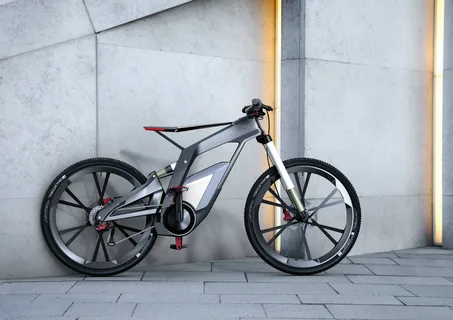
Engineered for Agility, Built for Daily Life
Today’s e-bikes come in a variety of formats—commuter, folding, cargo, mountain, and hybrid—each tailored for specific use cases. Their design reflects both durability and comfort: lightweight frames, suspension systems, long-range lithium-ion batteries, and intuitive digital displays.
Advanced models feature smart locking, app-based control, GPS tracking, and theft alerts. Motors are becoming more compact and efficient, batteries are easier to charge and swap, and overall integration is pushing e-bikes closer to becoming intelligent mobility devices.
Overcoming Challenges on the Road Ahead
Despite growing popularity, the e-bike market faces several hurdles. Infrastructure remains a concern in many cities, with limited cycling lanes and charging points. Pricing can be a barrier for lower-income users, and regulations around e-bike usage still vary widely across regions.
In response, manufacturers and policymakers are working to make e-bikes more accessible—through subsidies, rental programs, and investment in urban cycling infrastructure. New developments in battery tech, lightweight materials, and modular design are helping reduce costs and expand the appeal of e-bikes across demographics.
Exhaustive Market Report: A Complete Study
https://www.futuremarketinsights.com/reports/electric-bike-market
Driving Sustainability, One Ride at a Time
E-bikes play a critical role in the push for sustainable transportation. They consume far less energy than cars, emit zero tailpipe emissions, and reduce traffic congestion and noise pollution. For businesses, they offer a green alternative for last-mile delivery, improving both logistics efficiency and environmental impact.
As consumers and cities alike seek cleaner, healthier ways to move, e-bikes are becoming central to the vision of carbon-neutral mobility—one pedal stroke at a time.
Quiet Power, Growing Momentum
You might not hear them coming, but you’ll see the change they bring. Electric bikes are transforming how people move—not through noise or disruption, but through simplicity, innovation, and empowerment.
As urban living evolves and environmental concerns mount, e-bikes offer a solution that is not just timely, but timeless. Quietly powerful, incredibly versatile, and built for the rhythms of modern life, electric bikes are steering us toward a more sustainable, connected, and accessible future—on two wheels and with a motorized whisper.