

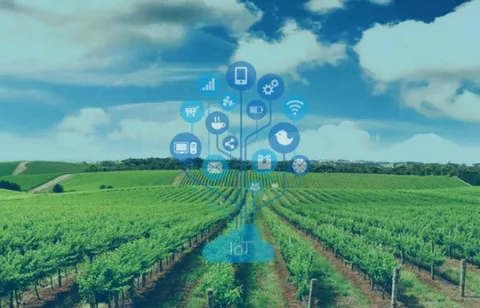
The smart agriculture solution market will continue to grow steadily between 2025 and 2035 as IoT-powered agriculture, precision agriculture, and AI-driven analytics gain more traction. The market is projected to reach USD 16.55 billion in 2025 and expand to USD 32.35 billion by 2035, reflecting a compound annual growth rate (CAGR) of 6.9% during the forecast period.
In a world challenged by climate change, population growth, and resource scarcity, the question is no longer just how to grow more—but how to grow better. At the heart of this agricultural transformation lies a quiet yet profound shift: the rise of smart agriculture solutions.
From sensor-driven irrigation systems to AI-powered crop analytics, smart agriculture is redefining how farms operate—bringing precision, efficiency, and sustainability to every acre. It may not look like traditional farming, but it’s shaping the future of global food production, one data point at a time.
Get Ahead with Our Report: Request Your Sample Now!
https://www.futuremarketinsights.com/reports/sample/rep-gb-939
More Than Machines: Enabling Data-Driven Cultivation
Smart agriculture is not just about deploying drones or installing weather stations—it’s about turning farms into intelligent ecosystems. By combining IoT devices, cloud computing, machine learning, and GPS technologies, smart farming solutions provide real-time insights into soil health, crop performance, weather patterns, and equipment usage.
These insights empower farmers to make timely and informed decisions—optimizing input usage, reducing waste, and increasing yields without expanding their footprint. From planting to harvest, every action becomes more targeted, more measurable, and more sustainable.
Overshadowed by Consumer Tech, Yet Essential to Global Stability
While the world fixates on smartphones, smart homes, and AI assistants, smart agriculture is quietly ensuring food security and climate resilience. In regions where water is scarce or labor is limited, smart solutions are making agriculture viable again. In large-scale operations, they’re streamlining logistics and minimizing environmental impact.
These technologies are not just tools—they’re enablers of a more secure, efficient, and equitable global food system. And as global demand for food continues to rise, their role becomes even more mission-critical.
Engineered for Precision, Designed for the Field
Smart agriculture systems must thrive in real-world conditions—dust, heat, rain, and unpredictability. Solutions range from autonomous tractors and satellite imaging to moisture sensors buried underground and RFID-equipped livestock tags. Each is designed with rugged reliability and seamless connectivity in mind.
Software platforms are evolving, too—offering user-friendly dashboards, mobile access, and AI-driven recommendations that help farmers translate complex data into practical actions. Whether it’s predicting pest outbreaks or optimizing fertilization schedules, the goal is clear: grow more with less, and grow smarter every season.
The Challenge of Connectivity and Accessibility
Despite the promise, implementing smart agriculture is not without challenges. Rural connectivity gaps, high initial costs, and digital literacy remain barriers in many regions. Ensuring that solutions are scalable, affordable, and user-centric is critical to widespread adoption.
In response, developers are introducing low-power wide-area networks (LPWAN), edge-computing devices, and modular sensor kits to bring smart farming within reach for smallholders and large-scale operators alike. Bridging the digital divide is essential—not just for farmers, but for global food resilience.
Exhaustive Market Report: A Complete Study
https://www.futuremarketinsights.com/reports/smart-agriculture-solution-market
A Pillar of Sustainable Agriculture
As agriculture shifts toward regenerative practices and carbon-conscious operations, smart solutions are becoming essential tools in the sustainability toolkit. Precision agriculture reduces runoff and overuse of fertilizers. Smart water systems conserve critical resources. And predictive maintenance cuts fuel usage and equipment downtime.
With detailed carbon tracking, soil analytics, and biodiversity monitoring, smart agriculture solutions help farmers align with environmental goals and certification standards—turning sustainability from a burden into a competitive advantage.
Rooted in Innovation, Growing Quietly Stronger
You may not see them at the grocery store or on your dinner plate, but smart agriculture technologies are behind the scenes—ensuring the food is fresher, the land is healthier, and the process is more efficient than ever before.
As the global food system faces increasing pressure, the importance of smart agriculture will only continue to grow. Not just as a tech trend, but as a practical, scalable answer to one of humanity’s oldest and most essential industries. Quietly powerful, endlessly adaptable, and deeply rooted in innovation, smart agriculture is cultivating the next era of farming—from seed to software.




