The cellulose film packaging market share analysis is on a growth trajectory, with projections estimating it will reach USD 1,441.5 million by 2035, expanding at a CAGR of 4.9%. This growth reflects a pivotal shift in both consumer mindset and industrial packaging strategies. The global shift toward sustainable packaging solutions has placed cellulose film packaging at the forefront of eco-conscious innovation.
Made from regenerated cellulose derived from natural fibers like wood pulp or cotton, this biodegradable and compostable material addresses urgent environmental concerns associated with plastic waste. As we head toward 2035, industries across food, personal care, and pharmaceuticals are rapidly adopting cellulose films for their excellent transparency, flexibility, and oxygen-barrier properties.
Request Your Sample Now – Unlock Growth Potential and Discover Key Market Opportunities!
https://www.futuremarketinsights.com/reports/sample/rep-gb-20915
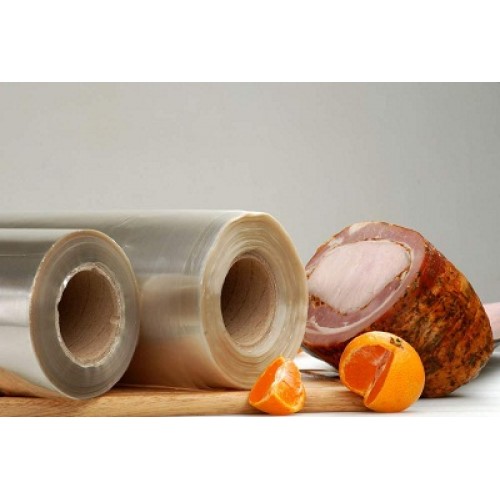
Cellulose film is a biopolymer-based packaging material made from natural cellulose, typically derived from wood pulp or cotton fibers. Unlike petroleum-based plastics, it is biodegradable, compostable, and offers a transparent, glossy finish, making it visually appealing while being environmentally sound.
These films are designed to provide a strong barrier against oxygen, aromas, oils, and greases, which makes them particularly valuable for preserving the freshness and quality of packaged goods. Moreover, their flexibility and printability offer designers and marketers more freedom while aligning with sustainability goals.
The Growing Demand for Biodegradable and Compostable Packaging
One of the most compelling drivers of growth in the cellulose film packaging market is the global shift toward sustainability. Governments, consumers, and industries worldwide are actively seeking packaging materials that reduce environmental footprints and contribute to circular economy initiatives. Cellulose films, being plant-based and biodegradable, naturally align with these trends.
The rise of eco-conscious consumers in regions such as North America, Europe, and parts of Asia has triggered a surge in demand for packaging solutions that degrade safely without leaving harmful residues. This has propelled manufacturers and brands in the food, personal care, and pharmaceutical sectors to integrate cellulose film packaging into their product lines to fulfil CSR goals and comply with stringent regulations.
Key Takeaways From the Cellulose Film Packaging Market Share Analysis
- North America holds 30% of the market share, driven by strong emphasis on eco-friendly and sustainable packaging solutions.
- Europe leads with a 35% share, fueled by stringent regulations aimed at reducing plastic usage.
- Asia-Pacific accounts for 25% of the market, propelled by rapid industrial growth and increasing demand for renewable packaging materials.
- Other regions contribute 10%, supported by growing interest in cost-effective and sustainable packaging alternatives.
Trends Reshaping the Cellulose Film Packaging Market Share Analysis
- Compostable Certifications: Third-party certifications and eco-labels are becoming important differentiators, reassuring consumers about the environmental claims of cellulose films.
- Smart Packaging Integration: Some players are integrating QR codes and smart labels into cellulose films for better traceability, authentication, and consumer engagement.
- Premium Aesthetic Appeal: With brands competing for shelf presence, cellulose films that offer high clarity, gloss, and printability are gaining traction in luxury food and beauty packaging.
- Reduced Carbon Footprint: LCA (Life Cycle Assessment) studies are influencing material selection, and cellulose films are being favored for their low-carbon credentials.
Technological Innovations in Cellulose Film Production
Innovation in the cellulose film sector is accelerating, with manufacturers focusing on enhancing the material’s mechanical properties, environmental performance, and application versatility. Recent developments include the incorporation of nanocellulose fibers to increase tensile strength and flexibility, enabling the packaging to withstand rigorous handling and transportation conditions.
Furthermore, bio-based coatings derived from renewable resources are being used to improve resistance to moisture and oils, without resorting to petrochemical additives. This preserves the overall biodegradability and compostability of the packaging. Advanced production methods are also reducing energy consumption and emissions during manufacturing, supporting the sustainability narrative.
Industry Collaboration and Sectoral Applications
The cellulose film packaging market is witnessing growing collaboration between material manufacturers and end-user industries such as food processing, pharmaceuticals, and cosmetics. These partnerships focus on developing packaging solutions that not only meet environmental standards but also satisfy operational and regulatory requirements.
In the food sector, cellulose films are used for wrapping fresh produce, confectionery, and ready-to-eat meals, ensuring product safety and freshness. In pharmaceuticals, the films offer contamination protection and are often used in blister packaging and sachets for powders or tablets. Meanwhile, the cosmetics industry benefits from the film’s high clarity and printability for products like face masks, creams, and organic beauty lines.
Key Vendor
- Futamura: Expanded offerings of biodegradable cellulose films.
- Innovia Films: Invested in high-barrier coatings for food applications.
- Taghleef Industries: Developed recyclable and low-carbon cellulose film solutions.
Cellulose Film Packaging Market Share Analysis Segmentations
By End-user:
- Food and Beverage
- Personal Care
- Pharmaceuticals
- Retail
By Region:
- North America
- Europe
- Asia-Pacific
- Other Regions
About Future Market Insights (FMI)
Future Market Insights, Inc. (ESOMAR certified, recipient of the Stevie Award, and a member of the Greater New York Chamber of Commerce) offers profound insights into the driving factors that are boosting demand in the market. FMI stands as the leading global provider of market intelligence, advisory services, consulting, and events for the Packaging, Food and Beverage, Consumer Technology, Healthcare, Industrial, and Chemicals markets. With a vast team of over 400 analysts worldwide, FMI provides global, regional, and local expertise on diverse domains and industry trends across more than 110 countries.
Contact Us:
Future Market Insights Inc.
Christiana Corporate, 200 Continental Drive,
Suite 401, Newark, Delaware – 19713, USA
T: +1-347-918-3531
For Sales Enquiries: sales@futuremarketinsights.com
Website: https://www.futuremarketinsights.com
LinkedIn| Twitter| Blogs | YouTube