The global drug delivery technology market is projected to be valued at USD 52.1 billion by 2025 and is expected to reach USD 136.4 billion by 2035, registering a CAGR of 10.1% during the forecast period, this market is undergoing significant transformation, propelled by advancements in biotechnology, personalized medicine, and the increasing prevalence of chronic diseases.
Get Sample Report: – https://www.futuremarketinsights.com/reports/sample/rep-gb-1166
America is addicted to medical innovation. We glorify the next miracle molecule, the next immunotherapy, the next life-extending treatment. But we rarely stop to ask one simple, dangerous question: Can we actually deliver it to the patient?
💊 A Booming Market Masking a Broken System
The U.S. dominates this industry, FMI confirms. North America holds the largest market share in drug delivery technology—largely driven by rising demand for injectable therapies, wearable drug pumps, and implantable devices.
Sounds promising, right?
Here’s the problem: a ballooning market doesn’t mean the system works. It just means more money is changing hands. What we’re not seeing is what matters more—systemic reform, faster implementation, and universal access.

🔬 Brilliant Science, Broken Infrastructure
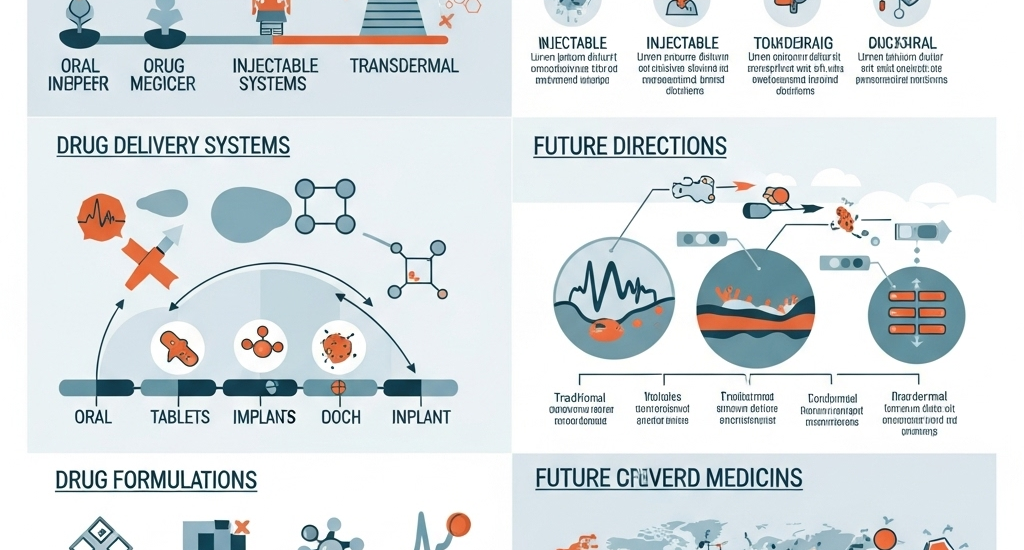
Oral drug delivery still reigns supreme. It’s simple, familiar, easy to distribute. But that’s not where medicine is going. Precision therapies—gene edits, monoclonal antibodies, mRNA platforms—require far more sophisticated delivery mechanisms.
FMI’s data shows injectables, implants, and inhalables are gaining ground. But they’re racing against a system that can’t keep up.
Devices aren’t approved fast enough. Manufacturing is outsourced and vulnerable. Hospitals lack standardized infrastructure. So even when the science is perfect, the delivery fails. And when that happens, patients don’t just suffer. Some die.
⚠️ Regulation Is Slow. The Market Is Fast. That’s a Deadly Mismatch.
FMI identifies regulatory hurdles as one of the greatest barriers to the adoption of advanced drug delivery platforms. No surprise there.
In the U.S., we move faster to approve a new blockbuster drug than the mechanism that delivers it. That’s backward. And dangerous.
We need radical acceleration of device approval timelines. We need FDA processes that treat delivery technologies with the same urgency and respect as the drugs they carry. Otherwise, we’re stuck in the absurd position of discovering cures we can’t actually use.
🧠 We’re Thinking Too Small
Let’s be clear: this isn’t just about better syringes. It’s about reshaping the entire bridge between lab and patient.
FMI forecasts rapid adoption of smart inhalers, microneedle patches, biodegradable implants, and nanoparticle carriers—technologies that don’t just deliver drugs but transform how they’re absorbed, metabolized, and tolerated.
But these innovations require infrastructure, investment, and public-private coordination. Not press releases. Not wishful thinking. Real, aggressive systems-building.
Explore In-Depth Analysis-Click Here to Access the Report:- https://www.futuremarketinsights.com/reports/drug-delivery-technology-market
🚨 America, Wake Up
Here’s the bottom line: the next health crisis won’t be a lack of drugs. It will be our inability to deliver them. We can’t afford to admire the market’s growth without fixing its foundation.
If the United States wants to stay at the forefront of global healthcare—and avoid a catastrophic disconnect between cure and care—it must act now. Rebuild domestic supply chains. Modernize regulatory frameworks. Fund next-gen delivery systems with the same intensity we pour into drug discovery.
We are sitting on the future of medicine. But without bold changes in how we deliver it, that future may never arrive.
Key Segments
By Route of Administration:
- Oral Route
- Parenteral Route
- Intramuscular
- Intravenous
- Intra-arterial
- Subcutaneous Route
- Transdermal Route
- Inhalation Route
- Nasal Drug Delivery
By End User:
- Hospitals
- Clinics
- Diagnostic Centers
- Home Care Settings
- others
By Region:
- North America
- Latin America
- Western Europe
- Eastern Europe
- East Asia
- South Asia & Pacific
- Middle East & Africa