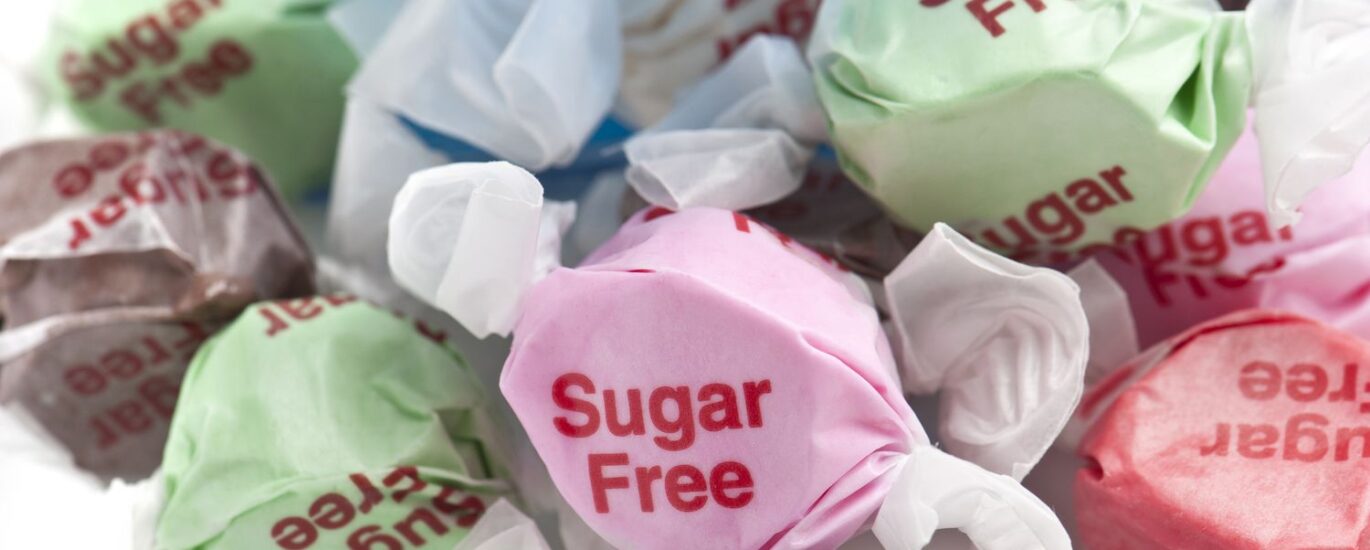
The global Sugar-Free Candy Market is projected to witness robust expansion, growing from USD 2,545.4 million in 2025 to USD 4,146.2 million by 2035, registering a CAGR of 5% over the forecast period. This surge is driven by increasing consumer preference for healthier alternatives, amid rising incidences of diabetes, obesity, and greater focus on calorie-conscious diets.
The market’s global trajectory is being shaped by a combination of rising disposable incomes, evolving lifestyles, and a growing demand for clean-label, low-sugar, and sugar-free options. Consumers are more inclined toward guilt-free indulgences that do not compromise on taste. In response, manufacturers are leveraging advancements in artificial sweeteners and natural substitutes like stevia and allulose, which are now better able to mimic the flavor of traditional sugar without the added calories—paving the way for broader market acceptance and innovation in sugar-free candy formulations.
Gain Early Access to Market Insights – Request a Sample: https://www.futuremarketinsights.com/reports/sample/rep-gb-12982
Health-Conscious Snacking Trends Reshaping the Confectionery Landscape
As awareness of the health impacts of excessive sugar consumption grows, consumers are increasingly seeking health-conscious snacking trends. Sugar-free candies, formulated without traditional sugars and often using sugar substitutes such as stevia, erythritol, and xylitol, are gaining traction across multiple age groups.
This shift is particularly significant among individuals managing lifestyle diseases, such as diabetes and obesity. The increasing preference for aspartame-free candy options also reflects a broader consumer demand for natural and safe ingredients.
Innovations in Low-Calorie and Functional Candy Formulations
Product innovation is central to the ongoing success of the sugar-free candy industry. Market players are actively investing in research and development to produce clean-label candy that not only reduces sugar but also incorporates functional ingredients such as vitamins, probiotics, and botanicals.
This trend is giving rise to the nutraceutical confectionery segment, where candy is positioned as both a treat and a wellness product. Wellness-driven candy formulations are especially popular among millennial and Gen Z consumers who seek indulgence without compromising health.
E-Commerce and Retail Channels Supporting Market Expansion
The rise of online retail and specialty health stores has significantly contributed to the growth of the sugar-free confectionery market. These platforms enable brands to educate consumers about ingredients, health benefits, and usage occasions, building stronger brand trust and visibility.
In-store innovations, such as health-focused sections in supermarkets, are also helping boost awareness and trial of sugar-free candy products among first-time buyers.
Key Takeaways:
• The market is expected to grow at a CAGR of 5% between 2025 and 2035.
• Rising rates of obesity and diabetes are key drivers for sugar-free product demand.
• Innovations in sweeteners are enabling better taste and healthier formulations.
• North America, Europe, and Asia-Pacific are leading growth contributors.
• E-commerce and influencer marketing are expanding product visibility and reach.
Gain Full Market Perspective – Get the Full Report Today: https://www.futuremarketinsights.com/reports/sugar-free-candy-market
Market Country-wise Analysis:
United States
The U.S. remains a dominant and fastest-growing market for sugar-free candies. The presence of a large diabetic and weight-conscious population, alongside a mature health-food retail infrastructure, drives growth. Popular offerings include keto-certified chocolates and tooth-friendly gummies. Social media influencers and online platforms significantly enhance product reach.
CAGR (2025–2035): 5.3%
United Kingdom
In the UK, sugar taxes and growing awareness of childhood obesity are boosting the market. Demand is surging in specialty segments like vegan and gluten-free, where sugar-free labels provide a competitive edge. Retailers are expanding shelf space for naturally sweetened confections.
CAGR (2025–2035): 5.1%
European Union
The EU is seeing steady demand for low-sugar and dental-safe confectionery. Regulatory support for stevia and other alternatives is spurring reformulation among major players, especially in Germany, the Netherlands, and Scandinavia.
CAGR (2025–2035): 5.2%
Japan
With a strong focus on functional foods, Japan’s sugar-free candy market is tailored for an ageing demographic. Sugarless mints, digestive-friendly lozenges, and energy-boosting candies for commuters and seniors are in high demand.
CAGR (2025–2035): 5.2%
South Korea
Korea’s young, health-aware population is pushing demand for trendy, aesthetic, and functional sugar-free products. Innovative launches like skin-boosting mushroom gummies and mood-enhancing mints are supported by robust e-commerce channels.
CAGR (2025–2035): 5.3%
Market Share Analysis by Key Players & Sugar Free Candy Manufacturers
• The Hershey Company
• Mars, Incorporated
• Nestlé S.A.
• Perfetti Van Melle
• SmartSweets Inc.
• Other Sugar Free Candy Brands
Explore Confectionery Industry Analysis: https://www.futuremarketinsights.com/industry-analysis/confectionery
Key Segments
By Type:
• Hard candy
• Chewy candy
• Gummies
• Lollipops
• Chewing gums
By Sweetening agent:
• Stevia
• Isomalt
• Sorbitol
• Maltitol
• Xylitol
• Polydextrose
By Distribution channel:
• B2B
• B2C
o Hypermarket/Supermarket
o Specialty Store
o Convenience Store
o Retailers
o Online Store
By Flavors:
• Butterscotch
• Caramel
• Blueberry
• Strawberry
• Banana
• Coffee
By Region:
• North America
• Latin America
• Western Europe
• Eastern Europe
• East Asia
• South Asia Pacific
• Middle East and Africa