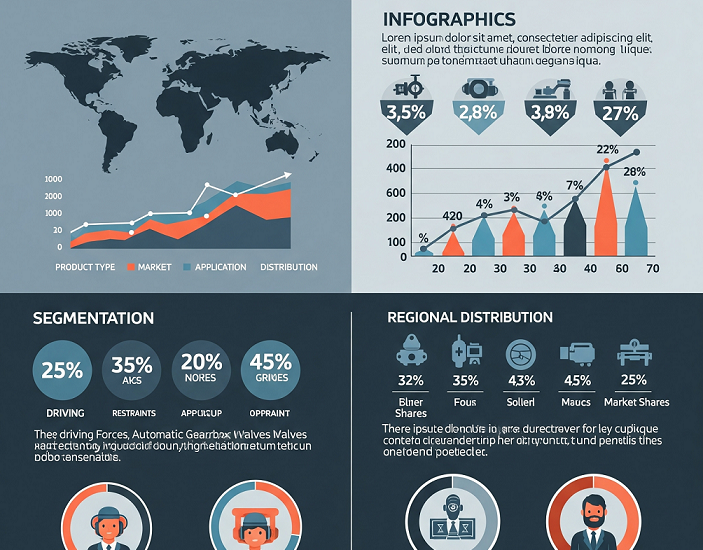
The global automatic gearbox valves market is estimated to reach USD 35.2 billion in 2025 and is projected to grow to USD 79.7 billion by 2035, reflecting a robust compound annual growth rate (CAGR) of 8.5% over the forecast period. This rise is being driven by advanced transmission architectures, increased adoption of dual-clutch and automatic gearboxes, and the shift toward electrified drivetrain systems requiring precise hydraulic control.
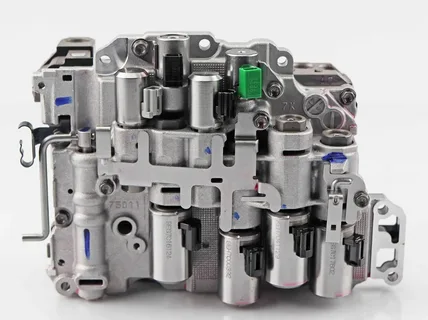
Automatic gearbox valves are vital components within transmission systems, regulating hydraulic pressure to manage gear shifts with smoothness, precision, and efficiency. As vehicles become more intelligent and powertrains more complex, these valves are expected to play an increasingly critical role in supporting seamless driving experiences. The growth of high-performance vehicles, commercial trucks, and electric or hybrid platforms further amplifies the need for durable, reliable, and responsive valve mechanisms.
As OEMs seek to enhance energy efficiency, reduce emissions, and improve drivability, automatic gearbox valves are evolving with new materials, compact designs, and integration with electronic control units (ECUs). The industry is also witnessing significant R&D investment in electro-hydraulic systems that deliver faster response times and adaptability under diverse driving conditions.
Get Ahead with Our Report: Request Your Sample Now!
https://www.futuremarketinsights.com/reports/sample/rep-gb-13204
Market Trends
-
Rapid shift toward electronically controlled hydraulic valve bodies
-
Growing demand for multi-speed automatic transmissions in premium vehicles
-
Integration of gearbox valves with advanced driver-assistance systems (ADAS)
-
Increasing use of solenoid valves in dual-clutch and CVT systems
-
Material innovation to improve valve performance under high temperature and pressure
Driving Forces Behind Market Growth
-
Surge in global vehicle production with a tilt toward automatic and hybrid drivetrains
-
Increased consumer demand for comfort, fuel efficiency, and smoother gear transitions
-
Rise of EVs and hybrids requiring advanced valve systems for thermal and energy management
-
Technological progress in transmission systems, including 7-speed and 10-speed automatics
-
OEM push toward modular and scalable drivetrain platforms requiring flexible valve configurations
Challenges and Opportunities
-
Complex manufacturing processes increase production costs and time
-
Compatibility and calibration challenges between mechanical components and ECUs
-
Opportunities in developing lightweight, compact valves for electric mobility
-
Growing aftermarket demand for high-performance and replacement gearbox valves
-
Potential for integrating AI and IoT in predictive maintenance of transmission systems
Exhaustive Market Report: A Complete Study
https://www.futuremarketinsights.com/reports/automatic-gearbox-valves-market
Recent Industry Developments
-
Introduction of electro-hydraulic actuated valves for next-gen automatic transmissions
-
Expansion of production lines by Tier-1 suppliers to meet rising OEM contracts
-
Development of smart valve control algorithms integrated with vehicle software platforms
-
Mergers and collaborations to enhance R&D in efficient fluid flow control and response precision
-
Launch of modular valve systems tailored to EVs and commercial vehicle applications
Regional Analysis
-
North America: Strong presence of luxury and performance vehicle manufacturers driving demand for high-end automatic gearbox components
-
Europe: Leading innovation in dual-clutch and electrified drivetrains, especially in Germany, Sweden, and France
-
Asia Pacific: Dominant regional market led by China, Japan, and South Korea, where high vehicle production and technology adoption accelerate growth
-
Latin America: Steady growth supported by expanding automotive assembly and aftermarket needs in countries like Brazil and Mexico
-
Middle East & Africa: Emerging opportunities driven by commercial fleets and rising demand for fuel-efficient automatic transmissions in urban areas