

The global arteriovenous fistula (AVF) treatment market is projected to reach approximately USD 868.8 million in 2025 and expand to around USD 1.52 billion by 2035, reflecting a compound annual growth rate (CAGR) of 5.9% during the forecast period. This growth is primarily driven by the increasing prevalence of end-stage renal disease (ESRD), advancements in surgical techniques, and the rising demand for durable and reliable vascular access solutions for hemodialysis.
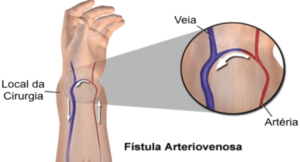
The arteriovenous fistula treatment market is experiencing significant growth due to rising incidences of chronic kidney disease and increasing demand for effective vascular access in hemodialysis patients. Arteriovenous fistulas (AVFs) are surgically created connections between an artery and a vein, primarily used to facilitate hemodialysis in patients with renal failure. As the global population ages and lifestyle-related diseases become more prevalent, the need for reliable AVF treatment options is becoming critical.
Get Sample Report: – https://www.futuremarketinsights.com/reports/sample/rep-gb-4128
This market focuses on providing solutions ranging from surgical creation to maintenance and complication management of AVFs. Innovative technologies and improved surgical techniques are driving better patient outcomes and expanding the scope of treatment. Furthermore, increasing awareness among healthcare providers and patients about the benefits of AVFs over other vascular access methods, such as catheters or grafts, is further pushing market growth.
Market Trends
Several trends shape the arteriovenous fistula treatment market landscape:
- Technological Advancements: The development of minimally invasive surgical tools and imaging technologies helps improve the success rate of AVF creation and reduces complications.
- Rising Chronic Kidney Disease (CKD) Cases: With more people developing CKD globally, the demand for hemodialysis is growing, driving the need for effective AVF treatments.
- Preference for AVFs: Medical guidelines increasingly recommend AVFs as the first choice for vascular access in dialysis patients due to their durability and lower infection risk.
- Healthcare Infrastructure Growth: Expansion of healthcare facilities, particularly in emerging economies, facilitates greater access to AVF treatments.
- Patient Awareness Programs: Increasing educational initiatives improve patient compliance and outcomes, boosting market demand.
- Integration of Digital Health: Telemedicine and remote monitoring tools are enhancing post-operative care and follow-up in AVF patients.
Challenges and Opportunities
The arteriovenous fistula treatment market faces several challenges but also presents numerous growth opportunities:
Challenges
- High Complication Rates: Despite improvements, AVFs still face issues like stenosis, thrombosis, and infections, which can complicate treatment.
- Skilled Workforce Shortage: The creation and maintenance of AVFs require specialized surgical expertise, which is scarce in many regions.
- Cost Constraints: High costs associated with advanced technologies and procedures may limit accessibility in low-income areas.
- Patient-Specific Factors: Anatomical variations and comorbidities in patients may affect the success rate of AVF treatments.
Opportunities
- Emerging Markets Expansion: Developing countries are witnessing increased healthcare spending and infrastructure development, opening new markets.
- Innovative Product Launches: New devices and techniques aimed at reducing complications can capture a significant market share.
- Collaborative Healthcare Models: Partnerships between hospitals, technology providers, and governments can improve access and quality of AVF treatments.
- Personalized Treatment Approaches: Advances in diagnostics allow for customized AVF creation and maintenance plans, improving patient outcomes.
Key Regional Insights
The arteriovenous fistula treatment market is segmented into several key regions, each with distinct market dynamics:
- North America: This region dominates due to advanced healthcare infrastructure, high prevalence of kidney diseases, and significant investment in research and development.
- Europe: Growing aging population and robust healthcare systems contribute to steady market growth.
- Asia-Pacific: Rapid urbanization, increasing chronic disease burden, and improving healthcare access drive strong growth potential.
- Latin America: Expanding healthcare infrastructure and rising government initiatives for kidney disease management present opportunities.
- Middle East & Africa: Increasing awareness and gradual improvement in healthcare facilities are expected to boost market growth in the coming years.
Top Companies
Several key players lead the arteriovenous fistula treatment market by investing in research and development, expanding their product portfolios, and strengthening global presence. These companies include:
- Medical device manufacturers specializing in vascular access tools and technologies.
- Healthcare providers offering advanced surgical procedures and follow-up care.
- Biotech firms developing novel materials and solutions to improve AVF durability and reduce complications.
Their strategies often focus on innovation, mergers and acquisitions, and partnerships to maintain competitiveness and cater to increasing market demand.
Explore In-Depth Analysis-Click Here to Access the Report:- https://www.futuremarketinsights.com/reports/arteriovenous-fistula-treatment-market
Segmentation Outlook
The arteriovenous fistula treatment market is segmented based on different factors to better address diverse patient needs and healthcare settings:
- By Treatment Type: This includes surgical creation, maintenance therapies, and complication management services.
- By End-User: Hospitals, dialysis centers, outpatient clinics, and specialty surgical centers are the primary consumers of AVF treatment solutions.
- By Product: Devices such as fistula needles, surgical instruments, imaging devices, and maintenance kits form essential segments.
- By Application: Mainly focused on chronic kidney disease patients requiring hemodialysis, but also includes emergency vascular access cases.
- By Region: Reflects the varying healthcare infrastructure and disease prevalence across different geographic areas.




