

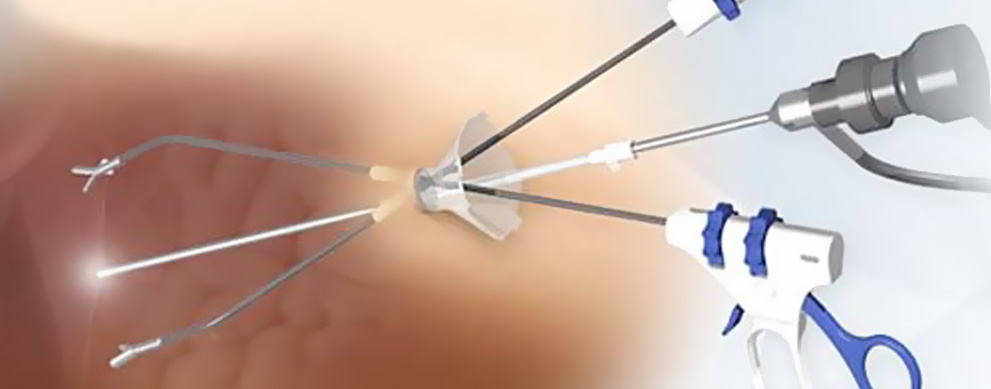
The endoscopic vessel harvesting system market is witnessing a transformative phase, driven by growing healthcare demands and a rising preference for minimally invasive surgical techniques. These systems are primarily used during coronary artery bypass graft (CABG) procedures to harvest veins and arteries, such as the saphenous vein or radial artery, with minimal trauma. Compared to traditional open harvesting methods, endoscopic vessel harvesting (EVH) offers benefits like reduced wound complications, less postoperative pain, and shorter hospital stays, making it an appealing choice for both patients and healthcare providers.
The global endoscopic vessel harvesting (EVH) system market is estimated to be worth USD 577.1 million in 2025 and is projected to reach USD 949 million by 2035, expanding at a steady CAGR of 5.1%.
In recent years, technological advancements have led to the development of more efficient and user-friendly EVH systems, which has further propelled their adoption globally. The endoscopic vessel harvesting system market is poised for consistent growth due to an increasing number of cardiovascular surgeries and growing awareness regarding the advantages of minimally invasive techniques. This market is gaining traction not only in developed regions but also in emerging economies where healthcare infrastructure is evolving rapidly.
Get Sample Report: – https://www.futuremarketinsights.com/reports/sample/rep-gb-1620
Market Trends
One of the prominent trends shaping the endoscopic vessel harvesting system market is the shift toward patient-centric surgical practices. Hospitals and surgical centers are investing in technologies that ensure faster recovery times and fewer complications. This focus aligns perfectly with the benefits offered by EVH systems, fostering greater demand. Moreover, the integration of high-definition imaging and enhanced visualization features in EVH devices is significantly improving procedural accuracy, thereby boosting surgeon confidence and expanding the market.
Another trend is the growing emphasis on training and skill development. As endoscopic techniques require a certain learning curve, manufacturers and healthcare institutions are collaborating to provide hands-on training programs. These efforts are designed to improve adoption rates and ensure the safe and effective use of these devices across various clinical settings.
Additionally, sustainability and cost-effectiveness are becoming important factors in purchasing decisions. Reusable instruments and systems with longer lifespans are being favored, encouraging manufacturers to design products that meet these requirements while maintaining performance quality.
Driving Forces Behind Market Growth
Several key factors are fueling the growth of the endoscopic vessel harvesting system market. The increasing prevalence of cardiovascular diseases, particularly coronary artery disease, has led to a higher number of bypass surgeries worldwide. This surge in surgical procedures is directly influencing the demand for efficient and less invasive harvesting methods.
Furthermore, patient awareness is significantly driving market expansion. As individuals become more informed about their treatment options, the preference for minimally invasive solutions with better outcomes is becoming evident. This trend is reinforced by physicians and cardiac surgeons who are recommending EVH for its proven clinical benefits.
Technological innovation also serves as a major growth driver. Companies are constantly upgrading their devices with ergonomic designs, improved visualization, and user-friendly interfaces. These advancements not only simplify the procedure but also minimize the risk of complications, enhancing the overall surgical experience.
Government initiatives and healthcare reforms in several countries are also playing a critical role. By prioritizing improved patient care and encouraging the adoption of advanced medical technologies, these policies are laying the groundwork for sustained growth in the endoscopic vessel harvesting system market.
Challenges and Opportunities
Despite its promising outlook, the endoscopic vessel harvesting system market faces certain challenges. High initial investment and operational costs can be a barrier for smaller hospitals and clinics, especially in underfunded healthcare systems. Moreover, the lack of skilled personnel in some regions limits the widespread adoption of EVH systems.
Resistance to change among traditional cardiac surgeons accustomed to open harvesting methods also presents a hurdle. Overcoming this inertia requires effective education and demonstration of the clinical advantages of EVH systems. Additionally, device-related complications and limited reimbursement policies in some countries can deter adoption.
However, these challenges open up a variety of opportunities. Expanding training programs and simulation-based education can bridge the skills gap, while offering rental or leasing options may reduce the financial burden on smaller healthcare institutions. Companies that invest in localized manufacturing and tailored solutions for cost-sensitive markets can gain a competitive edge.
Moreover, strategic partnerships between manufacturers and healthcare providers for collaborative research and innovation can lead to the development of more accessible and efficient EVH systems. This synergy has the potential to reshape the market landscape in favor of both clinical outcomes and commercial success.
Recent Industry Developments
The endoscopic vessel harvesting system market has witnessed significant advancements in recent years. Companies are investing heavily in R&D to introduce products that enhance procedural ease and ensure better patient outcomes. New systems with improved ergonomics, higher-definition visualization, and intuitive controls are hitting the market, enabling quicker adoption among surgeons.
Mergers and acquisitions are also notable developments in this space. Leading medical device companies are acquiring smaller, innovative firms to strengthen their product portfolios and expand their global reach. These collaborations are not only driving product innovation but also enhancing distribution networks and after-sales services.
Another major development is the increasing involvement of regulatory authorities in shaping product standards. Stringent guidelines ensure patient safety and product efficacy, which in turn boosts end-user confidence. Several regions have seen accelerated approvals of new EVH systems, streamlining the path from development to clinical use.
Regional Analysis
Geographically, North America holds a dominant share of the endoscopic vessel harvesting system market due to its advanced healthcare infrastructure, high awareness levels, and widespread adoption of cutting-edge medical technologies. The United States, in particular, is a key market owing to the high volume of cardiovascular surgeries and strong presence of leading manufacturers.
Europe follows closely, driven by favorable government policies, increasing health expenditure, and growing demand for minimally invasive procedures. Countries such as Germany, France, and the UK are seeing steady growth, supported by innovations in surgical tools and expanded training programs.
The Asia-Pacific region is emerging as a lucrative market, thanks to its large population base, rising incidence of cardiovascular diseases, and improving healthcare systems. Countries like China, India, and Japan are witnessing increased investment in healthcare infrastructure, creating opportunities for market expansion.
Latin America and the Middle East & Africa are expected to experience moderate growth. Although challenges such as limited access to advanced technology persist, growing awareness and government initiatives aimed at healthcare development are expected to drive future adoption of EVH systems.
Competitive Outlook
The competitive landscape of the endoscopic vessel harvesting system market is characterized by the presence of several established players and a growing number of emerging companies. Market leaders are focusing on product differentiation, customer service, and expanding their global footprint to maintain a competitive edge.
Innovation remains the core strategy among these companies. Regular product upgrades, integration of AI-based visualization tools, and enhanced compatibility with other surgical systems are key areas of focus. Additionally, partnerships with healthcare providers for pilot programs and feedback loops are helping companies refine their products based on real-world usage.
Competitive pricing, flexible financing options, and robust after-sales support are also shaping market competition. Companies that can offer a balance of technological advancement and cost-efficiency are more likely to succeed in this dynamic landscape.
Top Companies
Some of the top companies in the endoscopic vessel harvesting system market include Medtronic, Getinge AB, Terumo Corporation, and Saphena Medical. These players have established strong brand recognition and a wide distribution network, enabling them to cater to diverse market needs effectively.
Medtronic continues to lead the market with its advanced product offerings and focus on research and development. Getinge AB is known for its user-friendly systems and excellent customer service, while Terumo Corporation emphasizes continuous innovation and expanding market presence. Saphena Medical, though relatively smaller, is gaining attention for its disruptive technologies and surgeon-focused solutions.
These companies are also engaging in strategic alliances and acquisitions to broaden their capabilities and strengthen their positions in key regional markets. Their ongoing efforts in education, training, and product enhancement are setting industry benchmarks.
Explore In-Depth Analysis-Click Here to Access the Report:- https://www.futuremarketinsights.com/reports/endoscopic-vessel-harvesting-system-market
Segmentation Outlook
The endoscopic vessel harvesting system market can be segmented based on product type, vessel type, application, end-user, and region. Product-wise, the market includes reusable and disposable EVH systems, with reusable systems gaining popularity due to cost advantages.
By vessel type, saphenous vein harvesting holds the largest share due to its routine use in CABG procedures. However, radial artery harvesting is also gaining traction, especially in procedures requiring multiple grafts. In terms of application, coronary artery bypass grafting dominates, followed by peripheral artery disease surgeries.
End-users include hospitals, cardiac centers, and ambulatory surgical centers. Hospitals currently represent the largest user segment, driven by the volume of procedures and availability of resources. However, cardiac centers are quickly adopting EVH systems due to their specialized nature and focus on cardiovascular care.
Regionally, segmentation reinforces the dominance of North America and Europe, while Asia-Pacific emerges as a high-growth market. Market segmentation helps manufacturers and stakeholders tailor their strategies and product offerings to meet the specific needs of different customer segments, ensuring broader market penetration.
About Future Market Insights (FMI)
Future Market Insights, Inc. (ESOMAR certified, recipient of the Stevie Award, and a member of the Greater New York Chamber of Commerce) offers profound insights into the driving factors that are boosting demand in the market. FMI stands as the leading global provider of market intelligence, advisory services, consulting, and events for the Packaging, Food and Beverage, Consumer Technology, Healthcare, Industrial, and Chemicals markets. With a vast team of over 400 analysts worldwide, FMI provides global, regional, and local expertise on diverse domains and industry trends across more than 110 countries.
Contact Us:
Future Market Insights Inc.
Christiana Corporate, 200 Continental Drive,
Suite 401, Newark, Delaware – 19713, USA
T: +1-347-918-3531
For Sales Enquiries: sales@futuremarketinsights.com
Website: https://www.futuremarketinsights.com
LinkedIn| Twitter| Blogs | YouTube




