The global temperature controlled packaging solution market is poised for significant growth between 2025 and 2035. With the increasing importance of maintaining product integrity across various industries like pharmaceuticals, food, and chemicals, temperature controlled packaging is becoming an indispensable part of the global supply chain.
The global temperature controlled packaging solution market is expected to rise from USD 13.8 billion in 2025 to USD 23.6 billion by 2035, growing at a CAGR of 5.5%. In 2024, the market stood at USD 13.1 billion, reflecting resilient year-on-year demand, primarily driven by the life sciences, food, and chemical sectors.
Technological innovation, stringent regulatory frameworks, and increasing cross-border trade in perishable goods are among the core drivers propelling market expansion. This analysis delves into the unique factors shaping the market’s trajectory over the next decade.
Gain Valuable Market Knowledge: Request a Sample Report: https://www.futuremarketinsights.com/reports/sample/rep-gb-594
Rising Demand from the Pharmaceutical Industry
One of the most significant growth drivers for the temperature controlled packaging market is the rising demand from the pharmaceutical sector. As the world increasingly leans on biologics, vaccines, and specialty drugs, which require strict temperature ranges for efficacy, the need for reliable packaging solutions has skyrocketed. The COVID-19 pandemic showcased the critical role of temperature controlled packaging in global vaccine distribution, setting the tone for future healthcare supply chains.
Between 2025 and 2035, the pharmaceutical segment is expected to account for the largest share of the market. This is driven not only by biologics but also by the emergence of personalized medicine and cell & gene therapies, which are often temperature-sensitive and require innovative packaging methods to maintain stability during transit.
Surge in Market Demand: Explore Comprehensive Trends and Analysis in Our Full Report: https://www.futuremarketinsights.com/reports/temperature-controlled-packaging-solutions-market
Growth in Cross-Border Perishable Food Trade
The global trade of perishable foods such as dairy, seafood, fruits, and vegetables is growing at an accelerated pace, especially in emerging economies. As consumer demand for fresh and exotic food products rises, maintaining cold chain integrity becomes increasingly critical. Temperature controlled packaging solutions ensure that these products retain their freshness and safety standards during long-distance transportation.
From 2025 to 2035, this sector is likely to experience robust growth driven by technological advances in insulated containers, phase change materials (PCMs), and vacuum-insulated panels (VIPs). Additionally, governments around the world are implementing stricter food safety regulations, pushing exporters to adopt high-quality packaging to meet these standards.
Technological Advancements in Packaging Materials
Another unique point fueling market expansion is the technological evolution of packaging materials. Conventional packaging is gradually giving way to advanced solutions that incorporate smart sensors, real-time tracking, and condition monitoring technologies. These innovations allow stakeholders to have greater visibility over shipments and immediate notifications if temperature deviations occur.
By 2035, temperature controlled packaging solutions will likely be deeply integrated with the Internet of Things (IoT) and Artificial Intelligence (AI) platforms, enabling predictive maintenance and optimized routing based on real-time conditions. The integration of sustainable materials, such as biodegradable insulation foams and recyclable containers, will further add to the attractiveness of modern solutions while aligning with global sustainability goals.
Increasing Focus on Sustainability and Eco-Friendly Packaging
One of the most pressing challenges and opportunities in this market is the rising demand for sustainable packaging solutions. Traditional temperature controlled packaging often involves single-use plastics, polystyrene, and other materials that have detrimental environmental impacts. However, from 2025 onward, we expect to see a significant shift toward eco-friendly alternatives.
Manufacturers are increasingly investing in the research and development of recyclable, compostable, and reusable packaging solutions without compromising performance. Innovations such as bio-based phase change materials, reusable vacuum insulated panels, and recyclable liners are expected to gain strong traction. As regulatory pressures surrounding carbon emissions and plastic waste continue to intensify globally, eco-friendly temperature controlled packaging will emerge as a crucial market differentiator.
Stringent Regulatory Compliance as a Growth Catalyst
The temperature controlled packaging market is also heavily influenced by stringent regulatory compliance requirements, especially in the pharmaceutical and food industries. Regulatory agencies such as the U.S. Food and Drug Administration (FDA), the European Medicines Agency (EMA), and various national food safety bodies have established rigorous guidelines for the transportation of temperature-sensitive goods.
Between 2025 and 2035, regulatory compliance will not only serve as a mandatory standard but also as a catalyst for technological innovation. Companies that can provide packaging solutions that exceed regulatory standards—particularly those that offer audit trails, data logging, and tamper-evidence—will gain a competitive edge in the market.
Expansion of E-Commerce and Direct-to-Consumer Models
The surge in e-commerce, particularly for pharmaceuticals, specialty foods, and even temperature-sensitive cosmetics, is reshaping the landscape of temperature controlled packaging. Direct-to-consumer (D2C) models, accelerated by digital platforms, require specialized packaging solutions capable of maintaining temperature integrity even when shipped in small batches.
Over the next decade, innovative solutions designed for the last-mile delivery of sensitive products will become increasingly important. Features such as lightweight insulation, portable refrigeration packs, and embedded tracking systems are expected to dominate the e-commerce supply chain space. Companies focusing on consumer-centric packaging solutions will be better positioned to capture market share.
Regional Market Outlook and Emerging Economies
While North America and Europe currently dominate the temperature controlled packaging solution market due to their advanced cold chain infrastructure, emerging economies in Asia-Pacific, Latin America, and Africa present vast untapped potential. Rapid urbanization, rising disposable incomes, and increasing awareness regarding food and drug safety in these regions will drive demand.
From 2025 to 2035, China, India, and Brazil are expected to become significant contributors to global market growth. Local players in these regions are likely to partner with international companies to bridge the technological and infrastructural gaps, thereby strengthening their cold chain logistics capabilities.
Customization and Personalization Trends
Another important trend emerging in the temperature controlled packaging market is the rising need for customization and personalization. Industries are increasingly seeking packaging solutions tailored to the specific needs of their products. For example, specialty biologics may require customized temperature ranges, while gourmet food exports may prioritize appearance and branding alongside functionality.
Over the forecast period, companies that offer modular, adaptable packaging solutions will gain prominence. This trend aligns with the growing demand for on-demand manufacturing and 3D-printed insulated components that cater to highly specific temperature management needs.
Competitive Landscape and Strategic Collaborations
The competitive landscape of the temperature controlled packaging solution market is expected to undergo notable transformation in the coming decade. Leading players such as Sonoco ThermoSafe, Pelican BioThermal, Cold Chain Technologies, and others are actively investing in product innovation, mergers, and acquisitions to maintain market leadership.
Strategic collaborations between packaging solution providers, logistics companies, and technology firms will play a key role in shaping the future market dynamics. For example, partnerships that leverage AI-driven supply chain platforms alongside advanced packaging will set new standards for temperature-sensitive transportation.
Key Players in Temperature Controlled Packaging Solution Market
- Sonoco Products Company
- Pelican BioThermal LLC
- Snyder Industries Inc.
- GEBHARDT Logistic Solutions GmbH
- ACH Foam Technologies, LLC
- TKT GmbH; Cold Chain Technologies
- Cryopak Industries Inc.
- Sofrigam SA Ltd.
- va-Q-tec AG
- Saeplast Americas Inc.
- Inmark, LLC
- Tempack Packaging Solutions S.L.
- EcoCool GmbH
- Exeltainer SL
- American Aerogel Corporation
Explore Packaging Technology Industry Analysishttps://www.futuremarketinsights.com/industry-analysis/packaging-technology
Key Segments
By Product Type:
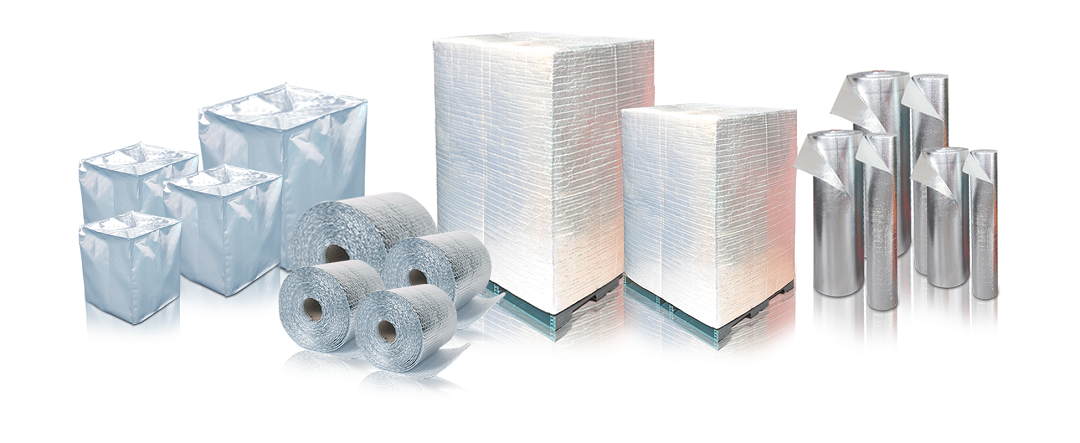
In terms of product type, the market for temperature controlled packaging solutions is divided into active system and passive system. Active system include refrigerated containers, refrigerated trucks and vans and electrically powered units. Passive systems include, insulated shippers, and insulated boxes, phase-change material (PCM)-based system and vacuum insulated panels (VIPs).
By Payload Capacity:
In terms of capacity, the market for temperature controlled packaging solutions is segmented into small (<20 liters), medium (20 – 150 liters), large (>150 liters).
By Material Type:
Multiple materials used for making temperature controlled packaging solutions includes polymer based, glass, metal, others. The polymer based materials include expanded polystyrene (EPS), polyurethane (PU), polypropylene (PP) and polyethylene (PE).
By Temperature Range:
Temperature ranges in the temperature controlled packaging solutions include frozen (-20°c and below), chilled (2°c to 8°c) and ambient (15°c to 25°c).
By End Use:
End users of temperature controlled packaging solutions include healthcare, food and beverages, chemicals and others. Healthcare includes pharmaceuticals, vaccines and biological samples. Food and beverages include fresh produce, meat, poultry, seafood, dairy products and processed foods. Chemicals consist specialty chemicals and industrial chemicals. Others include cosmetics, flower and plants.
By Region:
Key countries of North America, Latin America, East Asia, South Asia and Pacific, Western Europe, Eastern Europe, Middle East and Africa are covered.
About Future Market Insights (FMI)
Future Market Insights, Inc. (ESOMAR certified, recipient of the Stevie Award, and a member of the Greater New York Chamber of Commerce) offers profound insights into the driving factors that are boosting demand in the market. FMI stands as the leading global provider of market intelligence, advisory services, consulting, and events for the Packaging, Food and Beverage, Consumer Technology, Healthcare, Industrial, and Chemicals markets. With a vast team of over 400 analysts worldwide, FMI provides global, regional, and local expertise on diverse domains and industry trends across more than 110 countries.
Contact Us:
Future Market Insights Inc.
Christiana Corporate, 200 Continental Drive,
Suite 401, Newark, Delaware – 19713, USA
T: +1-347-918-3531
For Sales Enquiries: sales@futuremarketinsights.com
Website: https://www.futuremarketinsights.com
LinkedIn| Twitter| Blogs | YouTube