

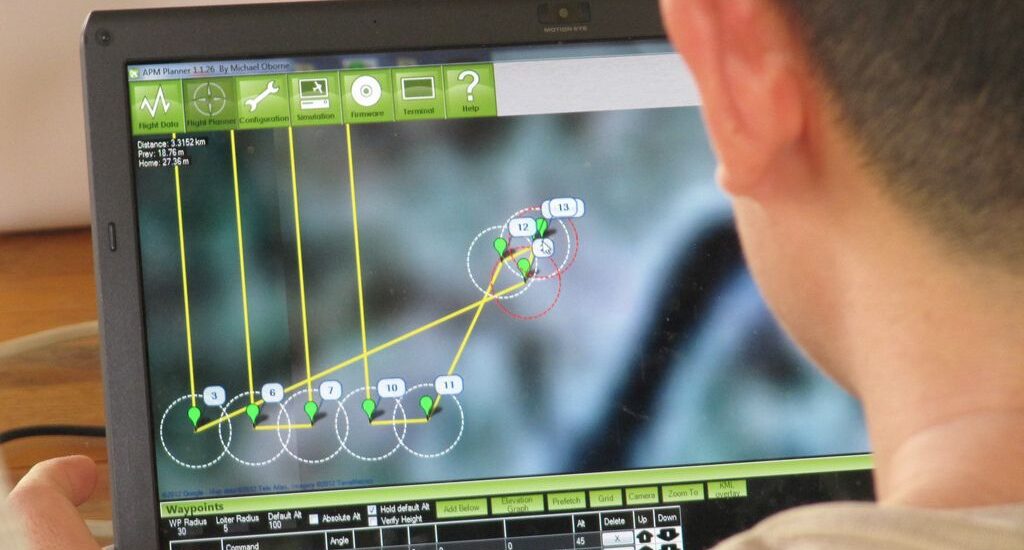
The stereotactic planning software spending analysis market is experiencing significant attention due to the growing demand for precision-based neurosurgical procedures. This specialized software plays a crucial role in helping neurosurgeons plan minimally invasive surgeries with greater accuracy and safety. As the healthcare industry shifts toward advanced, patient-specific treatment planning, hospitals and medical facilities are increasingly investing in stereotactic planning technologies. The increasing prevalence of brain disorders and tumors, along with the rising acceptance of image-guided surgery, continues to fuel the growth trajectory of the stereotactic planning software spending analysis market.
Thus, the market can be expected to grow further from USD 303.6 million in 2025 to reach USD 458.2 Million by 2035, at a CAGR of 4.2% for this period.
This market encompasses a range of software solutions that facilitate 3D mapping of the brain and target areas, ensuring precise localization of lesions or treatment zones. These tools are vital in deep brain stimulation, radiosurgery, and other stereotactic procedures. With healthcare systems prioritizing outcome-driven care, the importance of accurate and efficient planning tools cannot be overstated. This ongoing shift is prompting increased spending in the stereotactic planning software spending analysis market, making it a central component of modern neurosurgical practices.
Get Sample Report: – https://www.futuremarketinsights.com/reports/sample/rep-gb-6452
Market Trends
One of the most notable trends in the stereotactic planning software spending analysis market is the integration of artificial intelligence (AI) and machine learning algorithms. These technologies are enabling more sophisticated imaging and analysis capabilities, providing enhanced decision-making support for neurosurgeons. AI-driven planning tools can automatically identify critical anatomical structures, suggest optimal entry points, and simulate surgical outcomes, leading to more predictable results.
Cloud-based platforms are also gaining traction in the stereotactic planning software spending analysis market. These solutions offer enhanced accessibility, real-time collaboration, and data storage benefits, making them particularly attractive for hospitals and research institutions aiming for centralized systems. Additionally, there is a growing preference for software that integrates seamlessly with various imaging modalities, such as MRI and CT scans, further improving workflow efficiency and surgical precision.
Another emerging trend is the customization of stereotactic software based on specific treatment protocols and patient anatomy. Personalized treatment planning tools are being developed to enhance procedural safety, reduce surgery time, and minimize patient recovery periods. These advancements are fostering greater adoption, directly impacting the overall growth of the stereotactic planning software spending analysis market.
Driving Forces Behind Market Growth
The primary driver behind the growth of the stereotactic planning software spending analysis market is the rising incidence of neurological disorders globally. Conditions such as Parkinson’s disease, epilepsy, and brain tumors are on the rise, necessitating advanced surgical interventions. Stereotactic procedures, being less invasive and more precise, are increasingly favored in such cases, prompting higher spending on supporting software technologies.
Additionally, technological advancements in medical imaging and navigation systems have created a strong foundation for growth in this market. Modern imaging techniques allow for high-resolution scans that can be directly integrated into planning software, enhancing accuracy. Healthcare institutions are recognizing the value of investing in these technologies to improve surgical outcomes and patient safety, which in turn fuels the stereotactic planning software spending analysis market.
Government initiatives aimed at modernizing healthcare infrastructure, especially in emerging economies, are also contributing to increased market spending. Investments in neurosurgical facilities and training programs are driving the demand for state-of-the-art planning software. Moreover, the growing geriatric population worldwide, which is more prone to neurological conditions, is expected to sustain the long-term demand for stereotactic planning solutions.
Challenges and Opportunities
Despite its promising outlook, the stereotactic planning software spending analysis market faces several challenges. One of the primary obstacles is the high cost associated with advanced software solutions. Smaller healthcare facilities, especially in low-income regions, may struggle to justify or afford the investment required for these tools. This pricing barrier can limit market penetration in underdeveloped areas.
Another significant challenge is the steep learning curve associated with using stereotactic planning software. Neurosurgeons and support staff need extensive training to effectively use these tools, which can lead to slower adoption rates. Inconsistent integration with existing hospital information systems also presents a hurdle in ensuring seamless operation.
However, these challenges also present unique opportunities. Companies operating in the stereotactic planning software spending analysis market can focus on developing cost-effective and user-friendly solutions tailored for smaller clinics and regional hospitals. Additionally, offering cloud-based or subscription-based models can make the software more accessible to a wider range of institutions. Enhanced training programs and integration services could further accelerate adoption, creating new revenue streams and market growth.
Recent Industry Developments
In recent years, the stereotactic planning software spending analysis market has witnessed a wave of innovation. Several software providers have introduced AI-powered modules capable of automating key steps in the planning process, significantly reducing planning time while increasing accuracy. These intelligent systems are especially beneficial in high-volume hospitals where operational efficiency is crucial.
Collaborations between software vendors and imaging technology companies have also become common. These partnerships aim to create more cohesive, fully integrated platforms that enhance user experience and provide better surgical outcomes. Furthermore, regulatory approvals for newer, more advanced software versions are helping expand their use across hospitals and clinics globally.
Startups have begun entering the stereotactic planning software spending analysis market, bringing fresh perspectives and novel features such as virtual reality-based planning and robotic system integration. These innovations are reshaping the landscape and ensuring continuous evolution in the field, making it an exciting space for investment and development.
Regional Analysis
Geographically, North America dominates the stereotactic planning software spending analysis market due to its advanced healthcare infrastructure, high investment in neurosurgical procedures, and early adoption of new technologies. The presence of major market players and a well-established medical imaging ecosystem further supports this regional dominance.
Europe follows closely, with countries like Germany, the UK, and France investing heavily in healthcare technology upgrades. The increasing prevalence of neurological diseases in aging populations across Europe is a major driver of regional demand. Additionally, supportive reimbursement policies and government-funded research initiatives contribute to market expansion.
The Asia-Pacific region is expected to witness the fastest growth in the stereotactic planning software spending analysis market. Rapid healthcare digitization, rising disposable incomes, and growing awareness of advanced treatment options are encouraging hospitals in countries like China, India, and Japan to adopt stereotactic planning solutions. Latin America and the Middle East & Africa are also showing promise, although growth in these regions remains relatively slower due to infrastructural limitations.
Competitive Outlook
The competitive landscape of the stereotactic planning software spending analysis market is marked by a mix of established players and emerging entrants. Leading companies are focusing on innovation, strategic partnerships, and mergers to expand their portfolios and market reach. These firms continually invest in R&D to enhance the functionality and usability of their software products.
Key strategies include developing modular software platforms that can be customized according to surgical needs, as well as ensuring compatibility with a range of medical devices and imaging systems. Customer support, training, and service quality also serve as important differentiators in this highly technical market. With competition intensifying, companies are also emphasizing regulatory compliance and obtaining certifications that boost trust and reliability among end-users.
Top Companies
The stereotactic planning software spending analysis market is home to several prominent companies. These include established medical technology firms and innovative software developers. Companies such as Brainlab, Elekta, and Medtronic are widely recognized for their advanced planning solutions and integrated neurosurgical platforms. They continue to lead the market by offering comprehensive solutions that combine hardware, software, and service.
Other notable players include Inomed Medizintechnik GmbH, Monteris Medical, and Renishaw. These companies specialize in various aspects of stereotactic planning and surgical navigation. Emerging firms, particularly in the AI and cloud computing space, are beginning to disrupt the market with agile, affordable solutions, adding diversity and competition.
Explore In-Depth Analysis-Click Here to Access the Report:- https://www.futuremarketinsights.com/reports/stereotactic-planning-software-market
Segmentation Outlook
The stereotactic planning software spending analysis market can be segmented based on deployment type, application, end-user, and region. In terms of deployment, cloud-based and on-premise solutions cater to different institutional preferences. Cloud-based software is growing rapidly due to its scalability and cost-effectiveness.
Application-wise, the software finds use in deep brain stimulation, stereotactic radiosurgery, biopsy procedures, and functional neurosurgery. Each application demands specific software features, and vendors are tailoring their offerings accordingly. End-users primarily include hospitals, specialty neurosurgical clinics, and academic research centers.
Regional segmentation highlights differing adoption rates and spending capacities. As the healthcare landscape evolves globally, targeted strategies based on regional needs and infrastructure will be key to sustained market growth. The segmentation outlook offers valuable insights into where future investments and innovations are likely to be concentrated in the stereotactic planning software spending analysis market.
About Future Market Insights (FMI)
Future Market Insights, Inc. (ESOMAR certified, recipient of the Stevie Award, and a member of the Greater New York Chamber of Commerce) offers profound insights into the driving factors that are boosting demand in the market. FMI stands as the leading global provider of market intelligence, advisory services, consulting, and events for the Packaging, Food and Beverage, Consumer Technology, Healthcare, Industrial, and Chemicals markets. With a vast team of over 400 analysts worldwide, FMI provides global, regional, and local expertise on diverse domains and industry trends across more than 110 countries.
Contact Us:
Future Market Insights Inc.
Christiana Corporate, 200 Continental Drive,
Suite 401, Newark, Delaware – 19713, USA
T: +1-347-918-3531
For Sales Enquiries: sales@futuremarketinsights.com
Website: https://www.futuremarketinsights.com
LinkedIn| Twitter| Blogs | YouTube




