The ocular drug delivery system market is witnessing notable growth, driven by the increasing prevalence of eye-related disorders and advancements in drug delivery technologies. As eye diseases become more common due to aging populations and environmental factors, the need for effective and targeted treatment methods continues to rise. Traditional eye drops and ointments often suffer from poor bioavailability, leading to the development of more sophisticated systems designed to deliver drugs directly to specific ocular tissues. This evolution is helping to improve therapeutic outcomes and enhance patient compliance, which is critical in long-term treatment plans.
The market is projected to grow at a compound annual growth rate (CAGR) of approximately 6.4% from 2025 to 2035, increasing from USD 18466.9 Million in 2025 to USD 34340.7 Million by 2035.
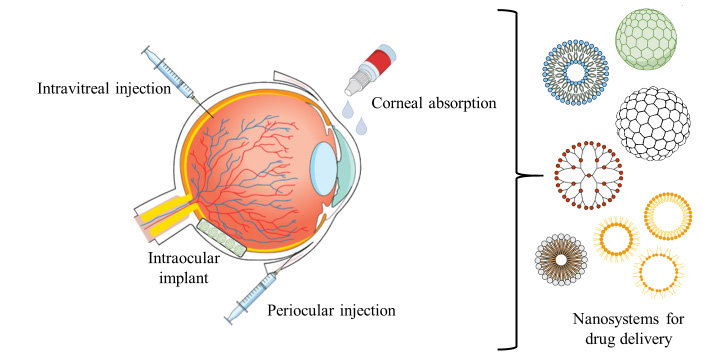
With the pharmaceutical industry placing significant focus on the development of targeted drug delivery methods, the ocular drug delivery system market is gaining traction. Innovations such as nanoparticle-based delivery, implants, and in-situ gels are opening new avenues for treating diseases like glaucoma, age-related macular degeneration, diabetic retinopathy, and dry eye syndrome. These advanced systems offer better control over drug release and minimize systemic side effects, contributing to the expanding footprint of the ocular drug delivery system market across the healthcare landscape.
Get Sample Report: – https://www.futuremarketinsights.com/reports/sample/rep-gb-6027
Market Trends
Several trends are currently shaping the ocular drug delivery system market. One of the most prominent is the shift toward sustained-release drug delivery systems. These systems are designed to maintain therapeutic drug levels in the eye for extended periods, reducing the frequency of administration and improving patient adherence. Intravitreal implants and biodegradable inserts are becoming increasingly popular for chronic eye diseases, as they offer long-lasting relief and targeted delivery.
The integration of nanotechnology is another key trend influencing the ocular drug delivery system market. Nano-formulations enhance drug permeability and retention time in ocular tissues, thereby increasing therapeutic efficiency. Moreover, companies are investing heavily in research and development to create customized drug delivery solutions that cater to individual patient needs. The rise of combination therapies, which integrate multiple drugs into a single delivery system, is also gaining attention for its ability to address complex eye conditions more effectively.
Driving Forces Behind Market Growth
Several driving forces are propelling the ocular drug delivery system market forward. A primary factor is the growing global incidence of ocular disorders. Conditions such as cataracts, glaucoma, and diabetic eye diseases are on the rise, largely due to increasing life expectancy and lifestyle-related health issues. This surge in ocular ailments is creating a demand for more effective and patient-friendly treatment options.
Another key driver is technological innovation. The development of advanced materials and delivery mechanisms is making it possible to overcome the limitations of conventional treatments. For example, bioadhesive hydrogels and microemulsion systems are enabling more efficient drug delivery to targeted areas of the eye. In addition, regulatory approvals for new drug delivery products are accelerating market expansion by increasing the availability of treatment options.
The increasing adoption of minimally invasive procedures is also contributing to the growth of the ocular drug delivery system market. Patients and healthcare providers alike are gravitating toward solutions that offer maximum effectiveness with minimal discomfort and side effects. This trend is likely to persist, especially as awareness of eye health continues to grow globally.
Challenges and Opportunities
Despite its promising outlook, the ocular drug delivery system market faces several challenges. One major hurdle is the complexity of ocular anatomy, which makes it difficult to achieve precise drug targeting without affecting other parts of the eye. Furthermore, some advanced drug delivery systems can be expensive to develop and manufacture, posing affordability issues, particularly in developing economies.
Regulatory challenges also persist. Developing and approving new ocular drug delivery systems involves stringent testing and validation processes. These can be time-consuming and costly, potentially delaying market entry for innovative products. Additionally, patient acceptance of certain invasive delivery methods remains low, which can limit the adoption of newer technologies.
However, these challenges also present opportunities. There is significant potential for companies that can develop non-invasive, cost-effective drug delivery methods that provide targeted treatment. The emergence of personalized medicine and the use of artificial intelligence in drug formulation are likely to create new opportunities for market players. Collaborations between pharmaceutical companies and research institutions can also lead to groundbreaking advancements that could reshape the ocular drug delivery system market landscape.
Recent Industry Developments
Recent developments in the ocular drug delivery system market underscore the industry’s momentum. Companies are actively launching new products and securing regulatory approvals for novel delivery systems. For instance, sustained-release implants and smart contact lenses capable of releasing medication over time are gaining traction in both research and commercial sectors.
In parallel, mergers and acquisitions are on the rise, as established pharmaceutical companies aim to bolster their product portfolios and technological capabilities. Strategic partnerships between biotech firms and device manufacturers are enabling the creation of hybrid solutions that combine diagnostics and therapeutics, further enhancing treatment efficacy.
Clinical trials for innovative formulations are also expanding globally. These trials are focused on evaluating safety, efficacy, and patient compliance, which are essential for securing regulatory approval and commercial success. The continuous pipeline of new drug delivery technologies signifies a vibrant and competitive ocular drug delivery system market.
Regional Analysis
Geographically, North America dominates the ocular drug delivery system market, largely due to the presence of major pharmaceutical companies and a well-established healthcare infrastructure. The region also benefits from high healthcare spending, advanced research facilities, and early adoption of new technologies. In particular, the United States leads in terms of innovation and regulatory approvals for ocular drug delivery products.
Europe is another key market, with countries such as Germany, France, and the United Kingdom actively investing in ophthalmic research. The increasing aging population and supportive government initiatives are contributing to market growth in this region.
In Asia-Pacific, the ocular drug delivery system market is expanding rapidly. Countries like China, India, and Japan are witnessing a surge in eye-related diseases due to urbanization, pollution, and aging demographics. These factors, coupled with growing healthcare investments and increasing awareness about eye health, are creating a conducive environment for market growth. Latin America and the Middle East & Africa are also showing potential, albeit at a slower pace, due to improving healthcare access and economic development.
Competitive Outlook
The ocular drug delivery system market is highly competitive, with numerous players striving to innovate and expand their market share. The competition is driven by the need to develop systems that offer better bioavailability, sustained release, and minimal side effects. Companies are investing significantly in R&D to stay ahead, with many focusing on developing proprietary technologies that differentiate their offerings from those of competitors.
Market players are also seeking regulatory approvals across multiple regions to broaden their customer base. The emphasis is on improving clinical outcomes while maintaining cost-efficiency. Strategic alliances, joint ventures, and licensing agreements are common strategies used to expand capabilities and accelerate product development. The growing importance of intellectual property rights in this space further underscores the need for innovation and differentiation.
Top Companies
Some of the top companies in the ocular drug delivery system market include Allergan (an AbbVie company), Alimera Sciences, Bausch + Lomb, EyePoint Pharmaceuticals, and Graybug Vision. These companies are at the forefront of developing advanced ocular drug delivery solutions and have a strong presence in major markets.
Other notable players include Ocular Therapeutix, Clearside Biomedical, and Ocugen. These firms are known for their cutting-edge technologies and active research pipelines. Many of these companies are collaborating with academic institutions and hospitals to conduct clinical trials and refine their delivery systems based on real-world feedback.
Explore In-Depth Analysis-Click Here to Access the Report:- https://www.futuremarketinsights.com/reports/ocular-drug-delivery-system-market
Segmentation Outlook
The ocular drug delivery system market can be segmented based on drug delivery technology, disease indication, end-user, and region. By technology, the market includes topical, intraocular, periocular, and systemic delivery methods. Among these, intraocular and topical delivery methods are the most commonly used due to their targeted approach and patient acceptance.
In terms of disease indication, the market covers glaucoma, diabetic retinopathy, macular degeneration, cataracts, and others. Glaucoma and age-related macular degeneration hold a significant share owing to their widespread prevalence. Hospitals, ophthalmic clinics, and homecare settings form the primary end-user segments. With rising chronic conditions, the demand for home-based care is gradually increasing, influencing product design and distribution strategies.
Overall, the ocular drug delivery system market presents immense opportunities for growth and innovation. As technology advances and healthcare needs evolve, this market is poised to play a critical role in improving eye care outcomes globally.
About Future Market Insights (FMI)
Future Market Insights, Inc. (ESOMAR certified, recipient of the Stevie Award, and a member of the Greater New York Chamber of Commerce) offers profound insights into the driving factors that are boosting demand in the market. FMI stands as the leading global provider of market intelligence, advisory services, consulting, and events for the Packaging, Food and Beverage, Consumer Technology, Healthcare, Industrial, and Chemicals markets. With a vast team of over 400 analysts worldwide, FMI provides global, regional, and local expertise on diverse domains and industry trends across more than 110 countries.
Contact Us:
Future Market Insights Inc.
Christiana Corporate, 200 Continental Drive,
Suite 401, Newark, Delaware – 19713, USA
T: +1-347-918-3531
For Sales Enquiries: sales@futuremarketinsights.com
Website: https://www.futuremarketinsights.com
LinkedIn| Twitter| Blogs | YouTube