In 2025, the stethoscope market is projected to reach approximately USD 683.4 million, and is expected to grow to around USD 1,123.9 million by 2035, reflecting a Compound Annual Growth Rate (CAGR) of 5.1% over the forecast period.
The stethoscope market continues to be a critical segment within the global medical device industry. As healthcare infrastructure expands across both developed and developing nations, the demand for stethoscopes remains steady. These essential diagnostic tools are a staple in clinics, hospitals, and medical practices worldwide. Healthcare professionals rely on stethoscopes to perform fundamental assessments such as auscultation of the heart, lungs, and other internal organs, making them indispensable in everyday clinical routines.
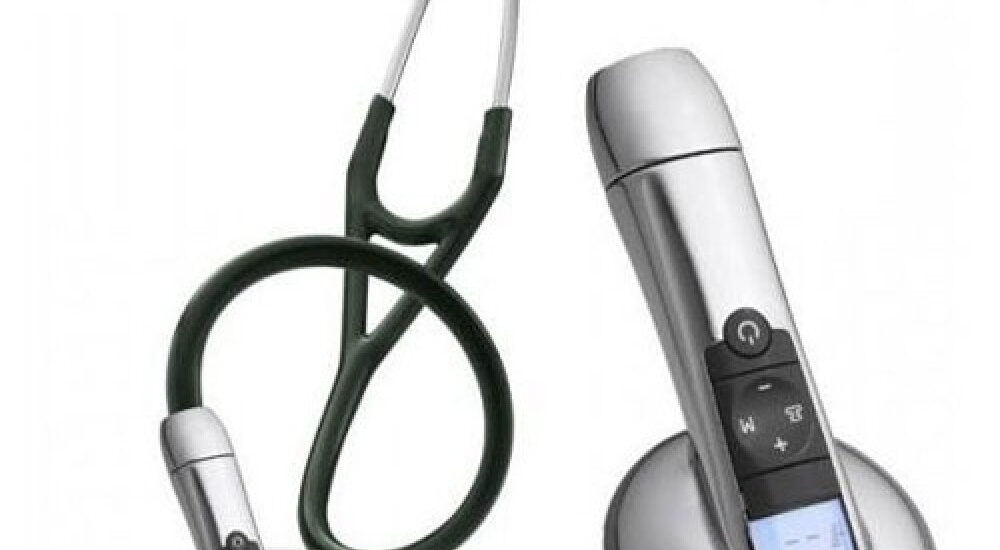
A growing global focus on primary healthcare, early disease detection, and regular health check-ups is contributing to the sustained growth of the stethoscope market. With an increasing number of healthcare practitioners entering the field and a rising aging population with complex health needs, there is a consistent demand for reliable and accurate diagnostic instruments. Moreover, the rise of digital and electronic stethoscopes, which provide enhanced sound quality and real-time data recording, adds a layer of technological advancement that is reshaping traditional practices.
Get Sample Report: – https://www.futuremarketinsights.com/reports/sample/rep-gb-12675
Market Trends
Several trends are shaping the current and future landscape of the stethoscope market. One significant trend is the integration of digital technology. Digital stethoscopes are gaining traction due to their ability to amplify body sounds, filter ambient noise, and connect to electronic health records. These features are particularly useful in telemedicine, where physicians require clear and accurate auscultation data during virtual consultations.
Another key trend is the focus on lightweight and ergonomically designed stethoscopes. As healthcare providers often wear stethoscopes around their necks for extended periods, manufacturers are developing models that are more comfortable and user-friendly. Additionally, antimicrobial coatings on stethoscopes are becoming increasingly common, helping to prevent cross-contamination in clinical environments.
Sustainability is also becoming a concern in the stethoscope market. Companies are exploring the use of recyclable materials and more durable components to reduce waste and improve product lifespan. As environmental awareness continues to influence consumer and institutional purchasing decisions, this trend is expected to gain further momentum.
Challenges and Opportunities
Despite its critical role in healthcare, the stethoscope market faces several challenges. One ongoing issue is the presence of counterfeit and low-quality products. In regions with limited regulatory oversight, such products can infiltrate the market and compromise diagnostic accuracy, ultimately affecting patient care. Ensuring quality control and enhancing distribution channels are key to addressing this challenge.
Another hurdle is the price sensitivity in emerging economies. While digital stethoscopes offer advanced features, their higher cost can be a barrier for smaller healthcare facilities and individual practitioners. Balancing innovation with affordability is essential for market expansion in cost-sensitive regions.
On the opportunity side, the growing popularity of home healthcare and point-of-care diagnostics presents new avenues for growth. As patients become more involved in monitoring their own health, there is a rising interest in user-friendly stethoscopes that can be used at home. Additionally, training institutions and medical schools represent a consistent source of demand, as each new wave of healthcare professionals requires quality stethoscopes for education and practice.
Key Regional Insights
The stethoscope market shows varying degrees of growth and innovation across different regions. In North America, strong healthcare infrastructure and early adoption of advanced technologies support the dominance of the market. The region’s focus on telehealth, particularly in the United States, has increased demand for digital stethoscopes.
Europe follows closely, benefiting from established healthcare systems and a high standard of medical training. Regulatory bodies in the region maintain strict quality requirements, which has encouraged manufacturers to maintain high standards and focus on innovation.
Asia-Pacific is emerging as a highly promising region for the stethoscope market. Expanding healthcare services, rising government investments, and an increasing number of medical professionals contribute to this trend. Countries like India and China are experiencing growth not only in urban hospitals but also in rural healthcare outreach, where portable diagnostic tools are essential.
Latin America and the Middle East & Africa are also witnessing gradual improvements in healthcare accessibility. These regions represent untapped markets where improvements in healthcare spending and professional training can drive future growth. However, infrastructure limitations and economic challenges must be addressed for the market to reach its full potential in these areas.
Competitive Outlook
The stethoscope market is marked by intense competition among established players and new entrants alike. Manufacturers are focusing on product differentiation, incorporating advanced acoustic technologies and customizable features to gain a competitive edge. Brand reputation, product reliability, and post-sale service also play a crucial role in maintaining customer loyalty.
Collaborations and partnerships are common in this space, especially between stethoscope manufacturers and telehealth service providers. These collaborations aim to enhance remote diagnostics by integrating stethoscope data with broader healthcare platforms. Additionally, companies are investing in direct-to-consumer marketing strategies to tap into the growing home healthcare segment.
Research and development remain central to sustaining competitiveness. Companies that innovate in terms of both product functionality and user experience are better positioned to lead the stethoscope market. As the industry continues to evolve, the ability to adapt to changing customer needs and regulatory environments will be essential for long-term success.
Top Companies
The stethoscope market includes several leading companies that have shaped the industry through innovation and consistent performance. Some of the key players have maintained a legacy of trust in the medical community for decades. These companies offer a diverse range of products, from traditional analog models to sophisticated digital variants.
Established brands are known for setting benchmarks in acoustic clarity, durability, and ergonomic design. They typically maintain strong relationships with hospitals, medical institutions, and educational facilities. Their ability to offer comprehensive product lines that cater to various specialties—such as cardiology, pediatrics, and veterinary medicine—further enhances their market reach.
In addition to these dominant players, newer companies are entering the stethoscope market with niche offerings. These include mobile-compatible devices, AI-enhanced auscultation tools, and environmentally sustainable stethoscopes. The emergence of these innovative players adds dynamism to the market and ensures continued advancement in the field.
Explore In-Depth Analysis-Click Here to Access the Report:- https://www.futuremarketinsights.com/reports/stethoscope-market
Segmentation Outlook
The stethoscope market can be segmented based on product type, technology, end-user, and distribution channel. In terms of product type, the market includes traditional acoustic stethoscopes and electronic stethoscopes. Acoustic stethoscopes continue to hold a large market share due to their affordability and simplicity, while electronic versions are preferred for their advanced capabilities.
When segmented by technology, the market includes single-head, dual-head, and triple-head stethoscopes. Each serves a unique purpose in clinical settings. Dual-head stethoscopes are commonly used for general practice, while specialized triple-head models are favored in cardiology for better sound isolation.
End-user segmentation highlights the demand from hospitals, clinics, ambulatory care centers, and academic institutions. Hospitals remain the largest end-user segment, driven by their high patient volume and diverse diagnostic needs. Medical schools and training centers also represent a stable demand source, ensuring steady market turnover.
In terms of distribution channels, the stethoscope market is divided into offline and online sales. While traditional medical supply distributors remain important, online platforms are gaining popularity due to their convenience and broader product selection. Manufacturers are increasingly leveraging e-commerce channels to reach a global audience and offer customized purchasing options.
About Future Market Insights (FMI)
Future Market Insights, Inc. (ESOMAR certified, recipient of the Stevie Award, and a member of the Greater New York Chamber of Commerce) offers profound insights into the driving factors that are boosting demand in the market. FMI stands as the leading global provider of market intelligence, advisory services, consulting, and events for the Packaging, Food and Beverage, Consumer Technology, Healthcare, Industrial, and Chemicals markets. With a vast team of over 400 analysts worldwide, FMI provides global, regional, and local expertise on diverse domains and industry trends across more than 110 countries.
Contact Us:
Future Market Insights Inc.
Christiana Corporate, 200 Continental Drive,
Suite 401, Newark, Delaware – 19713, USA
T: +1-347-918-3531
For Sales Enquiries: sales@futuremarketinsights.com
Website: https://www.futuremarketinsights.com
LinkedIn| Twitter| Blogs | YouTube