

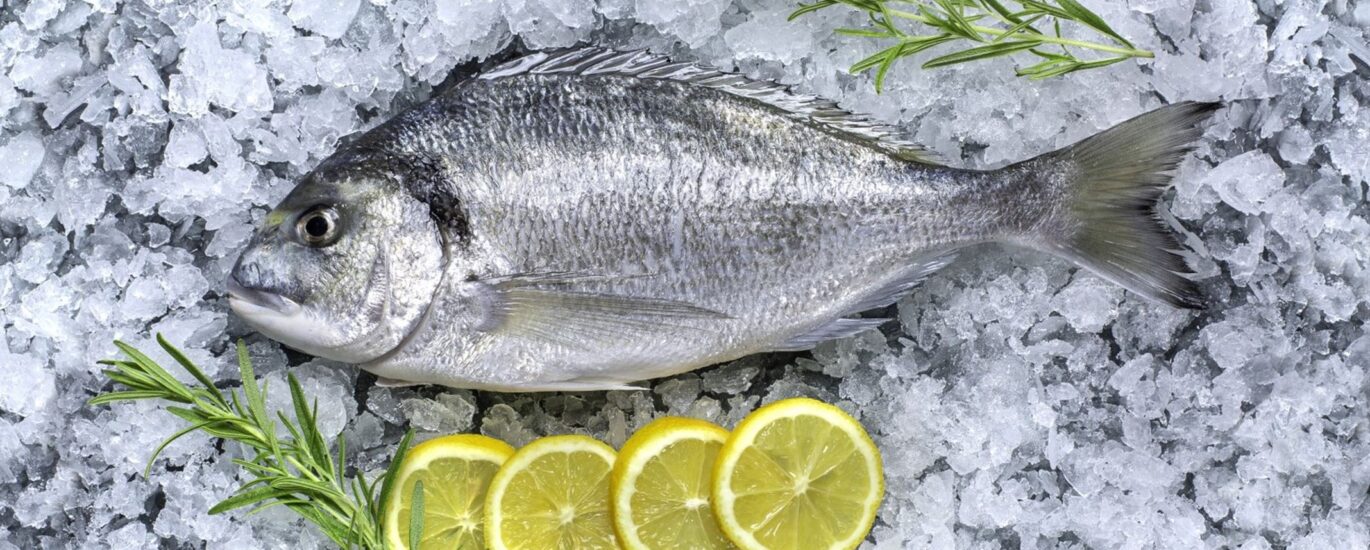
The global sea bream market is witnessing substantial growth, driven by rising consumer demand for nutrient-rich and flavorful seafood. Valued at USD 0.98 billion in 2025, the market is projected to reach a staggering USD 2.45 billion by 2035, growing at a CAGR of 9.8% over the forecast period. Sea bream, widely recognized for its high-quality protein, omega-3 fatty acids, and delicate, firm texture, is becoming a staple in health-conscious diets worldwide. Its popularity is strongly tied to Mediterranean and Asian cuisines, where it is prized for its versatility and culinary prestige.
The surge in demand is also attributed to the increasing global emphasis on sustainable seafood and aquaculture practices. Sea bream, being a resilient species adaptable to controlled farming, aligns well with eco-conscious consumption trends. As consumers become more aware of the health and environmental benefits of responsibly sourced seafood, the market is primed for further acceleration. Moreover, evolving retail channels, rising disposable incomes, and gastronomic curiosity among younger demographics are boosting sales across both developed and emerging economies.
Get Ahead of Market Shifts: Request Your Sample Report: https://www.futuremarketinsights.com/reports/sample/rep-gb-6257
Key Industry Highlights
- The sea bream market is expected to grow from USD 0.98 billion (2025) to USD 2.45 billion (2035).
- The market will expand at a CAGR of 9.8% during the assessment period.
- Sea bream’s nutritional richness, especially its omega-3 content and protein, makes it an appealing choice among health-conscious consumers.
- Culinary influence from Mediterranean and Asian cultures continues to elevate sea bream’s global demand.
- The species’ adaptability to aquaculture and its resilience make it a reliable and sustainable seafood option.
Collaboration Between Small Market Players to Strengthen Product Portfolio
As the sea bream market matures, a significant trend emerging is the strategic collaboration between small and mid-sized aquaculture firms. These partnerships are aimed at enhancing technological capabilities, diversifying product offerings, and improving supply chain efficiency. By pooling resources, small players are not only increasing their production capacities but also gaining a competitive edge in terms of product quality and innovation. This collective movement is fostering a more resilient and diversified market ecosystem, empowering regional producers to compete on a global stage.
Additionally, collaborative initiatives are focusing on sustainable farming techniques, branding, and traceability, which align with rising consumer expectations. These partnerships are instrumental in driving research and development, facilitating access to export markets, and enabling compliance with international food safety standards. As a result, consumers benefit from a broader range of high-quality sea bream products with transparent sourcing.
Increased Market Attention: Delve into Detailed Trends and Analysis with Our Report: https://www.futuremarketinsights.com/reports/sea-bream-market
Market Concentration
Despite the growing number of participants, the sea bream market exhibits moderate market concentration, with a handful of large aquaculture firms dominating international trade. These key players benefit from established distribution networks, brand recognition, and superior technological infrastructure for large-scale farming. However, their dominance is gradually being challenged by innovative regional players leveraging sustainability, local freshness, and niche marketing strategies.
The competitive landscape remains fragmented in emerging markets, where smaller players are quickly adapting to changing consumer demands and benefiting from supportive governmental policies. The presence of localized supply chains and region-specific consumer preferences also contributes to a more decentralized market structure.
Country-wise Insights
The global sea bream market sees distinct geographic trends, with several countries leading in consumption and market value projections by 2035:
- United States: Projected to dominate the market with a value of USD 890.3 million in 2035. High consumer spending power and growing health awareness are fueling demand.
- China: With a projected market value of USD 640.7 million, China is becoming a crucial hub for both consumption and production, supported by expanding aquaculture infrastructure.
- Germany: Expected to reach USD 495.8 million, Germany remains a key European market, driven by a strong preference for Mediterranean cuisine and sustainable food sourcing.
- India: A growing middle class and rising seafood consumption patterns are pushing India’s sea bream market to USD 345.2 million.
- Japan: Although relatively smaller in market value (USD 132.1 million), Japan maintains a steady demand due to its seafood-centric dietary culture.
Competition Outlook
The competition in the sea bream market is heating up, with both global aquaculture giants and emerging regional producers vying for market share. Leading companies are investing heavily in technological advancements, such as automated feeding systems, AI-based water quality monitoring, and genetic improvements, to boost productivity and fish quality.
Leading Sea Bream Brands
- Nireus Aquaculture S.A.
- Selonda S.A.
- Avramar
- Andromeda Group
- Leri Hellas S.A.
- Aquaculture Greece
- Hellenic Aquaculture
- Marine Harvest ASA
- Perla Harghitei
- Marfish S.A.
Download Our Comprehensive Seafood Industry Analysis: https://www.futuremarketinsights.com/industry-analysis/seafood
Key Segments
By Nature:
This segment is further categorized into Organic, Conventional.
By Product Type:
This segment is further categorized into Red Bream, Gilt-head Bream, Black Bream, Pandora Bream, White Bream.
By Size:
This segment is further categorized into Large, Medium, Small.
By Packaging Type:
This segment is further categorized into Fresh, Frozen, Canned, Others.
By Sales Channel:
This segment is further categorized into B2B / HoReCa, B2C (Hypermarkets/Supermarkets, Convenience Stores, Mom and Pop Stores, Discount Stores, Food & Drink Specialty Stores, Independent Small Groceries, Online Retail, Others Retail Formats).
By End Use:
This segment is further categorized into Food Industry, Retail Industry, Pet Food Industry, Others.
By Region:
Industry analysis has been carried out in key countries of North America, Latin America, Eastern Europe, Western Europe, East Asia, South Asia & Pacific, Central Asia, Balkan and Baltic Countries, Russia & Belarus and the Middle East & Africa.
About Future Market Insights (FMI)
Future Market Insights, Inc. (ESOMAR certified, recipient of the Stevie Award, and a member of the Greater New York Chamber of Commerce) offers profound insights into the driving factors that are boosting demand in the market. FMI stands as the leading global provider of market intelligence, advisory services, consulting, and events for the Packaging, Food and Beverage, Consumer Technology, Healthcare, Industrial, and Chemicals markets. With a vast team of over 400 analysts worldwide, FMI provides global, regional, and local expertise on diverse domains and industry trends across more than 110 countries.
Contact Us:
Future Market Insights Inc.
Christiana Corporate, 200 Continental Drive,
Suite 401, Newark, Delaware – 19713, USA
T: +1-347-918-3531
For Sales Enquiries: sales@futuremarketinsights.com
Website: https://www.futuremarketinsights.com
LinkedIn| Twitter| Blogs | YouTube




