The Switzerland Responsible Tourism Market is poised for robust growth over the next decade, with the industry estimated to be worth USD 20.7 billion in 2025 and projected to expand to USD 31.1 billion by 2035. This growth represents a steady compound annual growth rate (CAGR) of 4.1% between 2025 and 2035, reflecting the increasing global and domestic demand for sustainable, eco-friendly, and socially responsible travel experiences in Switzerland.
As travelers worldwide grow more environmentally conscious, Switzerland’s responsible tourism sector is gaining traction, fueled by a shift towards authentic, ethical, and low-impact travel options. The market growth is underpinned by key drivers such as government initiatives promoting sustainable tourism, the expansion of eco-certified accommodations, and a surge in interest for nature-based activities that preserve Switzerland’s pristine landscapes.
Discover Insights into the Market Request Your Sample Report! https://www.futuremarketinsights.com/reports/sample/rep-gb-21557
Key Market Drivers Shaping the Switzerland Responsible Tourism Industry
- Rising Environmental Awareness Among Travelers: With climate change and environmental degradation top of mind, tourists are increasingly prioritizing sustainable tourism options that minimize ecological footprints. This shift has led to growing demand for responsible travel packages in Switzerland that emphasize local culture preservation, wildlife protection, and waste reduction.
- Government Support and Regulatory Frameworks: Swiss federal and cantonal authorities have introduced several policies and incentives to promote responsible tourism, including grants for eco-friendly tourism infrastructure and strict environmental regulations to preserve natural resources. These initiatives encourage businesses to adopt sustainable practices, making Switzerland a global leader in responsible tourism.
- Growth of Eco-Certified Hotels and Services: The expansion of eco-lodges, green hotels, and sustainable transport options is enabling travelers to enjoy luxurious yet environmentally responsible stays. Certification programs such as Green Globe and Travelife are gaining popularity, further enhancing market confidence and consumer trust in sustainable tourism offerings.
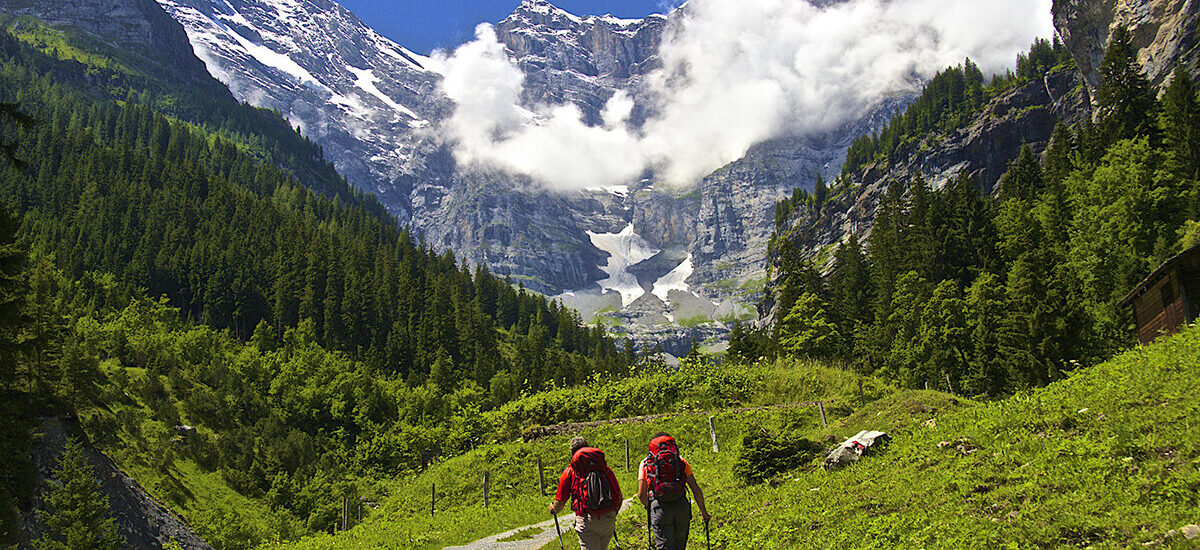
- Increasing Popularity of Experiential and Nature-Based Travel: Tourists are seeking immersive experiences that allow them to connect with Switzerland’s natural beauty without harming it. Activities such as guided hikes, wildlife safaris, and cultural exchanges with local communities are driving demand for responsible tourism products.
Discover new opportunities and gain transformative insights with our Outdoor Tourism Industry Reports! https://www.futuremarketinsights.com/industry-analysis/outdoor-tourism
Emerging Trends in the Switzerland Responsible Tourism Market
- Rise of Carbon-Neutral and Low-Impact Travel Options: Tour operators and accommodations in Switzerland are increasingly adopting carbon offset programs and energy-efficient technologies. From electric vehicle rentals to solar-powered hotels, travelers are offered more sustainable choices that reduce greenhouse gas emissions.
- Growth of Community-Based and Cultural Tourism: There is a growing interest in authentic local experiences that support Swiss rural communities. Travelers seek to engage with indigenous customs, traditional crafts, and local gastronomy, contributing to economic empowerment while preserving cultural heritage.
- Integration of Technology for Sustainable Travel Planning: Advanced digital platforms now provide detailed carbon footprint calculators, eco-certification verification, and personalized responsible tourism itineraries. These tools empower travelers to make informed decisions aligned with their environmental and ethical values.
- Expansion of Regenerative Tourism Practices: Beyond sustainability, regenerative tourism is gaining momentum. This approach focuses on restoring and enhancing the environment and communities visited, promoting tourism that leaves a positive impact rather than simply minimizing harm.
Challenges Faced by the Switzerland Responsible Tourism Market
- High Costs of Sustainable Infrastructure and Certification: Implementing green technologies and obtaining eco-certifications can be capital-intensive, especially for small and medium-sized tourism operators. This financial barrier slows the adoption of sustainable practices across the industry.
- Balancing Tourism Growth with Environmental Preservation: Switzerland’s popularity as a tourism destination creates pressures on fragile ecosystems, particularly in alpine and rural areas. Managing visitor numbers while protecting biodiversity remains a complex challenge for policymakers and industry stakeholders.
- Limited Awareness and Education Among Tourists: Despite increasing interest, not all travelers are fully informed about responsible tourism principles or the environmental impact of their choices. Bridging this knowledge gap requires ongoing education campaigns and transparent communication.
- Seasonality and Overdependence on Peak Tourism Periods: Switzerland’s tourism industry is highly seasonal, with peaks often leading to overcrowding and strain on local resources. Developing sustainable tourism offerings that attract visitors year-round is necessary to distribute environmental and economic impacts more evenly.
- Coordination Among Multiple Stakeholders: Aligning objectives and actions across government bodies, private businesses, local communities, and NGOs can be challenging. Effective collaboration is essential to implement cohesive policies and initiatives that foster responsible tourism.
Get Full Access of this Report: https://www.futuremarketinsights.com/reports/switzerland-responsible-tourism-market
Key Segmentation
By Benefit Type:
Segmented into Economic, Social, and Environmental benefits.
By Booking Channel:
Analyzed by Online Booking, Phone Booking, and In-Person Booking.
By Tourist Type:
Segmentation includes Domestic and International tourists.
By Tour Type:
Includes Independent Travelers, Package Travelers, and Tour Groups.
By Demography:
Analyzed by gender (Men, Women).
By Age Group:
Segmentation includes 15 – 25 Years, 26 – 35 Years, 36 – 45 Years, 46 – 55 Years, and 66 – 75 Years.
About Future Market Insights (FMI)
Future Market Insights, Inc. (ESOMAR certified, recipient of the Stevie Award, and a member of the Greater New York Chamber of Commerce) offers profound insights into the driving factors that are boosting demand in the market. FMI stands as the leading global provider of market intelligence, advisory services, consulting, and events for the Packaging, Food and Beverage, Consumer Technology, Healthcare, Industrial, and Chemicals markets. With a vast team of over 400 analysts worldwide, FMI provides global, regional, and local expertise on diverse domains and industry trends across more than 110 countries.
Contact Us:
Future Market Insights Inc.
Christiana Corporate, 200 Continental Drive,
Suite 401, Newark, Delaware – 19713, USA
T: +1-347-918-3531
For Sales Enquiries: sales@futuremarketinsights.com
Website: https://www.futuremarketinsights.com
LinkedIn| Twitter| Blogs | YouTube