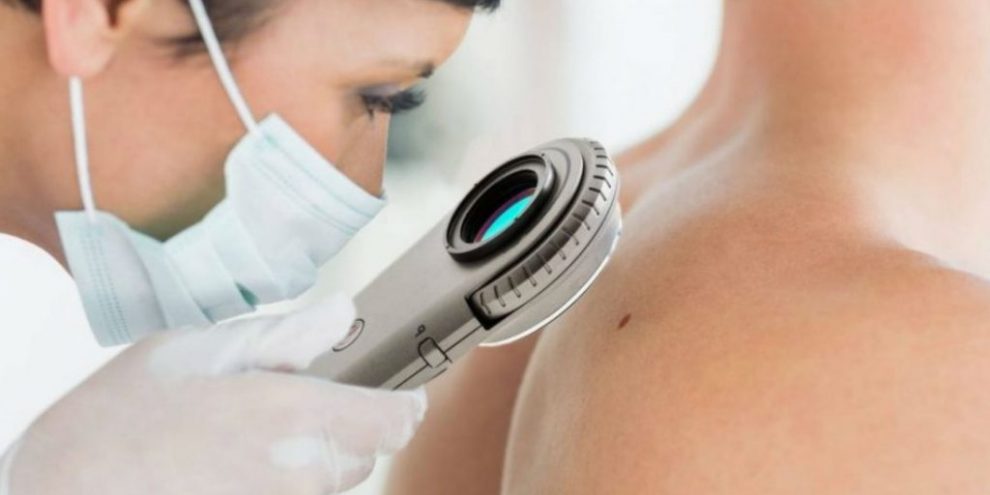
The dermatology devices market has been gaining significant momentum as advancements in skin care technology continue to evolve, addressing a growing demand for effective treatment options. Dermatology devices encompass a wide range of instruments and tools used for diagnosing, treating, and managing skin-related conditions, from cosmetic concerns like wrinkles and pigmentation to serious ailments such as skin cancer and psoriasis. Increasing awareness about skin health and rising disposable incomes have spurred consumers to seek non-invasive and minimally invasive dermatological treatments, fueling the growth of this market.
The market is projected to reach approximately USD 5,912.7 million in 2025 and expand to around USD 11,099.0 million by 2035, reflecting a compound annual growth rate (CAGR) of 6.5% over the forecast period.
Technological innovations in dermatology devices have enhanced treatment precision and patient outcomes, leading to greater adoption by dermatologists and aesthetic clinics worldwide. Devices such as laser systems, light therapy devices, cryotherapy tools, and radiofrequency devices are widely used for various therapeutic and cosmetic applications. With skin conditions affecting a substantial portion of the global population and cosmetic procedures becoming mainstream, the dermatology devices market is set for robust expansion.
Get Sample Report: – https://www.futuremarketinsights.com/reports/sample/rep-gb-1187
Market Trends
Current trends in the dermatology devices market reveal a strong focus on non-invasive treatment methods and personalized skin care solutions. Patients increasingly prefer treatments that offer quicker recovery times, minimal side effects, and better aesthetic results without the need for surgery. This has propelled the adoption of advanced laser therapies, intense pulsed light (IPL) systems, and ultrasound-based devices, which provide targeted treatment options for conditions such as acne scars, vascular lesions, and skin tightening.
Another notable trend is the integration of artificial intelligence (AI) and machine learning in dermatology devices. These technologies aid in accurate skin analysis and diagnostics, enabling customized treatment plans tailored to individual skin types and conditions. Digital imaging and AI-powered diagnostic tools improve early detection of skin cancers and other dermatological disorders, thus enhancing treatment effectiveness.
Teledermatology is also shaping the market landscape, allowing remote consultations and follow-ups through digital devices. This has made dermatology care more accessible, especially in regions with a shortage of specialized professionals. Mobile and portable dermatology devices have been gaining popularity due to their convenience and ease of use, facilitating on-the-go skin health assessments.
Driving Forces Behind Market Growth
Several factors are driving the growth of the dermatology devices market. Rising prevalence of skin diseases and disorders is a primary contributor. Conditions such as eczema, psoriasis, acne, and skin cancer affect millions globally, increasing demand for effective diagnostic and therapeutic devices. Additionally, an aging global population is fueling demand for anti-aging and skin rejuvenation treatments, as people seek to maintain youthful appearances through cosmetic dermatology.
Increasing awareness about skincare and the desire for minimally invasive cosmetic procedures have created a favorable market environment. Social media and digital platforms have played a vital role in educating consumers about the benefits of dermatology devices, encouraging them to seek professional treatments. The surge in medical tourism for dermatological procedures is also boosting market expansion in regions known for high-quality skincare services at competitive prices.
Technological advancements continue to expand the application scope of dermatology devices. For instance, combination devices that integrate multiple technologies provide comprehensive treatment options in a single system, enhancing clinical outcomes and patient satisfaction. Growing investments by healthcare providers and aesthetic clinics in upgrading their equipment also contribute to market growth.
Challenges and Opportunities
Despite promising growth, the dermatology devices market faces several challenges. High costs of advanced devices and procedures can limit accessibility, especially in developing countries where healthcare infrastructure and consumer purchasing power are limited. Additionally, regulatory hurdles and the need for rigorous clinical trials to ensure safety and efficacy can slow down the introduction of new technologies.
Variability in treatment outcomes and potential side effects may deter some patients from opting for dermatology devices, posing a challenge to widespread adoption. Furthermore, the requirement for skilled professionals to operate sophisticated devices underscores the importance of training and education in this sector.
On the opportunity front, expanding access to dermatology care through telemedicine and portable devices is a promising avenue. Emerging economies present substantial growth potential due to increasing healthcare investments and growing consumer awareness. The development of multifunctional and hybrid devices can attract clinics looking to optimize space and resources while offering diverse treatment options.
Sustainability and eco-friendly device designs are gaining attention, creating opportunities for manufacturers to innovate products that reduce environmental impact. Collaborations between dermatologists, researchers, and technology developers will continue to drive innovation and expand market offerings.
Recent Industry Developments
- The dermatology devices market has witnessed noteworthy developments in recent years. The launch of next-generation laser systems with improved precision, reduced downtime, and enhanced safety features has transformed therapeutic options for skin conditions. Companies are increasingly incorporating AI-driven skin analysis tools within their product portfolios, enabling clinicians to diagnose and customize treatments with greater accuracy.
- The rise of at-home dermatology devices, including handheld lasers and LED therapy tools, has opened new consumer segments focused on self-care. These devices empower individuals to manage skin health conveniently and affordably. Additionally, integration of augmented reality (AR) and virtual reality (VR) in training dermatologists and demonstrating procedures to patients is an emerging trend improving both practitioner skills and patient confidence.
- Strategic partnerships between device manufacturers and healthcare providers have facilitated market penetration and technology adoption. Investments in research and development are accelerating the introduction of innovative devices tailored for specific skin conditions and diverse skin types, enhancing treatment inclusivity.
Regional Analysis
The dermatology devices market exhibits diverse growth patterns across regions. North America holds a dominant position due to high healthcare spending, advanced technological infrastructure, and a large base of dermatology specialists. The United States, in particular, drives demand for both therapeutic and cosmetic dermatology devices supported by favorable reimbursement policies and strong patient awareness.
Europe follows closely, with countries like Germany, France, and the UK investing heavily in dermatology technology. The region’s focus on aesthetic procedures and stringent regulatory frameworks ensure high standards for device quality and safety. Increasing collaborations between research institutes and commercial players foster innovation.
Asia-Pacific is the fastest-growing market, propelled by expanding healthcare infrastructure, rising middle-class populations, and increasing consumer interest in cosmetic dermatology. China, Japan, South Korea, and India are key contributors to market growth, with a surge in demand for skin rejuvenation, pigmentation treatment, and acne management devices.
Emerging markets in Latin America, the Middle East, and Africa are witnessing gradual adoption of dermatology devices as healthcare awareness improves. These regions offer untapped potential for device manufacturers aiming to expand their global footprint.
Competitive Outlook
The competitive landscape of the dermatology devices market is highly dynamic, with numerous established players and emerging startups striving for market share. Companies differentiate themselves through technological innovation, product quality, and strategic collaborations. The market’s rapid evolution encourages continuous improvement and development of cutting-edge solutions.
Large multinational corporations dominate the market by leveraging strong research and development capabilities, broad product portfolios, and extensive distribution networks. At the same time, innovative startups focus on niche technologies and unique applications to capture specialized segments of the market.
Competition also intensifies around service and support offerings, including device maintenance, training programs, and clinical guidance, which are crucial for customer satisfaction and loyalty. Manufacturers are increasingly emphasizing digital tools and software integration to enhance the user experience and clinical outcomes.
Top Companies
Several key companies lead the dermatology devices market, contributing significantly to its growth through innovation and global reach. Industry leaders invest heavily in developing advanced laser and light-based systems, radiofrequency devices, and diagnostic tools that set new treatment standards.
Notable companies emphasize strategic partnerships with dermatology clinics and hospitals to expand market penetration. Many also pursue mergers and acquisitions to broaden their technological capabilities and geographic presence.
These companies maintain a focus on regulatory compliance and quality assurance to build trust with healthcare professionals and patients. Their efforts in research, clinical trials, and education help push the boundaries of what dermatology devices can achieve.
Explore In-Depth Analysis-Click Here to Access the Report:- https://www.futuremarketinsights.com/reports/dermatology-devices-market
Segmentation Outlook
The dermatology devices market can be segmented based on technology, application, and end-user. Technology segments include laser devices, light therapy systems, ultrasound devices, cryotherapy instruments, and radiofrequency devices. Each technology offers unique advantages suited for particular skin conditions and treatment goals.
Application segments cover therapeutic uses such as acne treatment, skin cancer detection, psoriasis management, and vitiligo therapy, alongside cosmetic applications like wrinkle reduction, hair removal, and pigmentation correction. This diversity allows device manufacturers to target both medical and aesthetic dermatology markets.
End-users include hospitals, dermatology clinics, cosmetic surgery centers, and research institutions. Increasing adoption in outpatient clinics and medical spas reflects the shift towards accessible and patient-friendly dermatological care.
This segmentation highlights the multifaceted nature of the market and underscores the wide-ranging opportunities for innovation and growth.
About Future Market Insights (FMI)
Future Market Insights, Inc. (ESOMAR certified, recipient of the Stevie Award, and a member of the Greater New York Chamber of Commerce) offers profound insights into the driving factors that are boosting demand in the market. FMI stands as the leading global provider of market intelligence, advisory services, consulting, and events for the Packaging, Food and Beverage, Consumer Technology, Healthcare, Industrial, and Chemicals markets. With a vast team of over 400 analysts worldwide, FMI provides global, regional, and local expertise on diverse domains and industry trends across more than 110 countries.
Contact Us:
Future Market Insights Inc.
Christiana Corporate, 200 Continental Drive,
Suite 401, Newark, Delaware – 19713, USA
T: +1-347-918-3531
For Sales Enquiries: sales@futuremarketinsights.com
Website: https://www.futuremarketinsights.com
LinkedIn| Twitter| Blogs | YouTube