

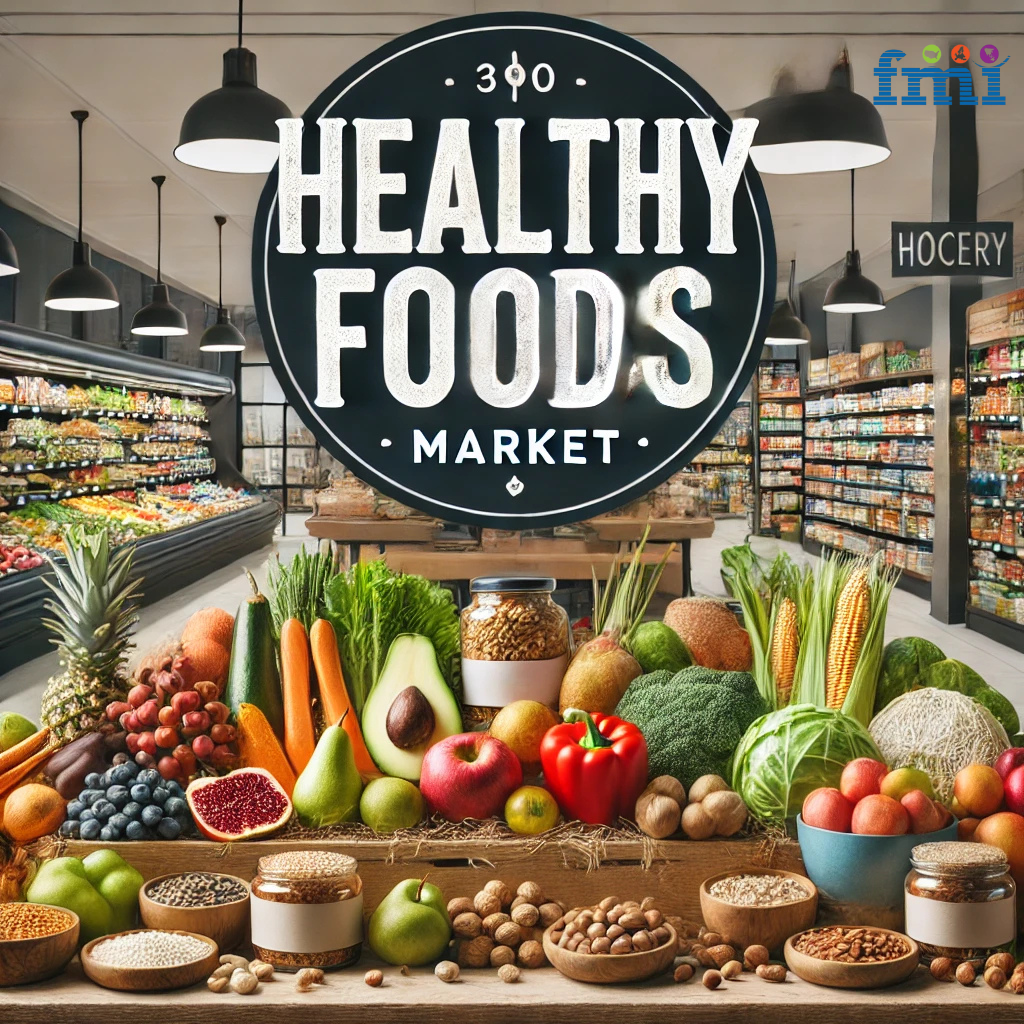
The global healthy foods market is witnessing a robust growth trajectory, anticipated to reach USD 897.0 billion by 2025 and further expand at a CAGR of 9.7%, ultimately surpassing USD 2,264.1 billion by 2035. This surge in demand is fueled by increasing consumer preference for functional foods, organic products, and allergen-free alternatives as people prioritize wellness and preventive healthcare solutions. The growing awareness of lifestyle diseases such as obesity, diabetes, and cardiovascular disorders has prompted a shift toward nutrient-rich, clean-label, and plant-based foods that support overall health and immunity.
Request Sample Report and Drive Impactful Decisions: https://www.futuremarketinsights.com/report-sample#5245502d47422d2e3139393538
Market Growth Drivers and Applications
The demand for healthy foods is driven by multiple factors, including the rising trend of personalized nutrition, increasing adoption of plant-based diets, and heightened consumer interest in sustainable food choices. Functional foods fortified with vitamins, minerals, and probiotics have gained significant traction, as they offer specific health benefits such as gut health, cognitive function, and immune support. Additionally, the clean-label movement, emphasizing transparency in ingredient sourcing and processing, has further strengthened consumer trust in organic and natural food products.
Key Takeaways:
- The global healthy food industry is witnessing significant growth due to rising health awareness and dietary shifts toward organic and functional foods.
- Market growth is driven by increased adoption of plant-based diets, clean-label products, and advancements in food technology.
- North America and Europe dominate the market, while the Asia-Pacific region is emerging as a lucrative segment due to changing consumer preferences.
- Key players are investing in innovative product formulations and strategic partnerships to cater to the evolving consumer demands.
Market Drivers and Applications:
The increasing prevalence of lifestyle diseases such as obesity, diabetes, and cardiovascular disorders has propelled consumers to prioritize healthier food choices. Functional foods enriched with vitamins, minerals, and probiotics are in high demand due to their perceived health benefits.
The adoption of plant-based proteins and alternative dairy products is also on the rise, driven by concerns regarding sustainability and ethical consumption.
Additionally, the expanding e-commerce sector has facilitated the availability of healthy food options, providing consumers with convenient access to organic and gluten-free products.
Government initiatives promoting clean eating and nutrition labeling further accelerate the market’s growth trajectory.
Key Market Trends
- Rising Consumer Awareness: Consumers are actively seeking healthier food options, with a strong preference for organic, non-GMO, and minimally processed products.
- Growth of Functional and Fortified Foods: Increased demand for foods enriched with vitamins, minerals, probiotics, and other health-boosting ingredients.
- Expansion of Plant-Based Alternatives: The shift toward vegetarian, vegan, and flexitarian diets is fueling the demand for plant-based food products.
- Sustainability and Clean Labeling: Consumers prioritize brands that emphasize transparency, ethical sourcing, and sustainability.
Regional Analysis
North America and Europe continue to dominate the healthy foods market, driven by strong consumer demand for plant-based alternatives, fortified foods, and organic products. The Asia-Pacific region is experiencing rapid growth, fueled by a rising middle class, increasing disposable income, and a growing awareness of dietary health benefits. Countries like China, India, and Japan are witnessing increased adoption of health-conscious eating habits, driving demand for organic, functional, and allergen-free foods. Latin America and the Middle East & Africa are also emerging as significant markets due to shifting dietary patterns and urbanization.
Access the Full Report Healthy Foods Industry Trends and Projections Now! https://www.futuremarketinsights.com/reports/healthy-food-market
Competitive Landscape
Beyond Meat (USA)
Beyond Meat, Inc. (NASDAQ: BYND) is a leading plant-based meat company offering a portfolio of revolutionary plant-based meats made from simple ingredients without GMOs, no added hormones or antibiotics, and 0 mg of cholesterol per serving.
Impossible Foods (USA)
Impossible Foods is a privately-held startup that produces plant-based meat alternatives. The company’s mission is to make the food system more sustainable by reducing the environmental impact of animal agriculture.
Allplants (UK)
Allplants focuses on making sustainable, healthy eating more accessible and convenient for people. Their meals are 100% plant-based, catering to the growing demand for vegan and eco-friendly food options.
Veganz (Germany)
Veganz is a pioneering and innovative plant-based food startup based in Berlin, Germany. Established in 2011 by Jan Bredack, Veganz has emerged as a leading brand in the European plant-based food market, catering to the growing demand for sustainable, vegan-friendly products.
Nature & Moi (France)
Nature & Moi is an emerging startup in the healthy food market, known for its plant-based, nutrient-dense products that focuses on sustainability and well-being. The company aims to provide consumers with wholesome, clean ingredients that support a healthier lifestyle while minimizing environmental impact.
Key Players
- Nestlé
- Danone
- Kellogg’s
- Unilever
- Impossible Foods
- PepsiCo
- General Mills
- Alnatura
Gain Comprehensive Insights in the Functional Food Industry Analysis. Stay Ahead of Market Trends and Uncover Potential Market Opportunities: https://www.futuremarketinsights.com/industry-analysis/functional-food
Healthy Foods Market Segmentation
By Product:
The market is segmented into Organic Foods, Functional Foods and others.
By Distribution Channel:
The market as hypermarkets/supermarkets, Convenience Stores, Specialty Stores, online stores, and offline stores.
By Region:
The market is segmented as North America, Europe, Asia-Pacific, Middle East and Africa.
