The global guidewires market is set to grow steadily, with sales projected to rise from USD 4,147.5 million in 2024 to USD 6,885.7 million by 2034, reflecting a compound annual growth rate (CAGR) of 5.2% over the forecast period. The market, which generated USD 3,942.5 million in revenue in 2023, is driven by the increasing burden of non-communicable diseases (NCDs) and the growing demand for minimally invasive surgical procedures in cardiology, urology, radiology, and other fields.
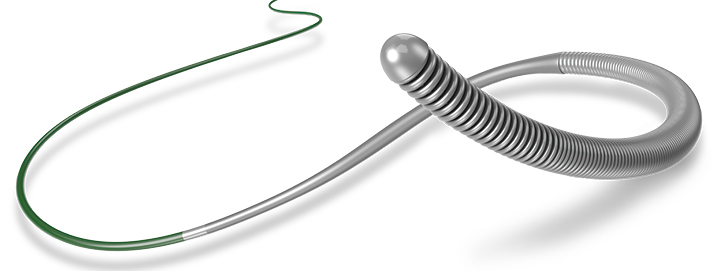
Guidewires, essential tools in modern medical interventions, are available in a variety of configurations, including stainless steel, PTFE, and Nitinol, each designed to facilitate the placement of diagnostic devices. Hydrophilic guidewires, with coatings that improve trackability, and hydrophobic guidewires, like silicone, which minimize friction, cater to specific procedural needs. Additionally, interventional guidewires provide critical support in vascular-specific procedures, contributing to their widespread adoption.
Technological advancements in guidewire materials, particularly stainless steel and Nitinol, have significantly enhanced performance and reliability, making them indispensable in various medical interventions. These innovations, coupled with the rising preference for minimally invasive procedures, are expected to drive continued growth in the global guidewires market.
Grab Your Complete Report Instantly – https://www.futuremarketinsights.com/reports/guidewires-market
Key Takeaways:
- The global guidewires market is forecasted to grow at a 5.2% CAGR, reaching USD 6.88 billion by 2034.
- Rising incidences of non-communicable diseases and the popularity of minimally invasive procedures drive market demand.
- Hydrophilic and hydrophobic guidewires, designed with advanced coatings, cater to diverse medical needs.
- Advances in materials like stainless steel and Nitinol continue to enhance guidewire performance and adoption in medical interventions.
Growth Drivers
- Rising Burden of Non-Communicable Diseases (NCDs):
- The increasing prevalence of NCDs, such as cardiovascular diseases and diabetes, is driving the demand for guidewires used in various medical procedures.
- Popularity of Minimally Invasive Surgical Procedures:
- There is a growing trend towards minimally invasive surgeries in cardiology, urology, and radiology, which utilize guidewires to facilitate procedures with reduced recovery times and improved patient outcomes.
- Technological Advancements:
- Continuous improvements in guidewire technology, including the development of hydrophilic and hydrophobic options, enhance performance and usability.
- Diverse Product Configurations:
- The availability of guidewires made from materials such as stainless steel, PTFE, and Nitinol caters to different procedural needs and improves trackability and friction management during interventions.
- Increased Focus on Patient Outcomes:
- The shift towards procedures that provide better outcomes and shorter recovery times is further driving the demand for guidewires in clinical settings.
Regional Insights
- North America: Expected to dominate the market due to advanced healthcare infrastructure and high rates of surgical procedures.
- Asia-Pacific: Anticipated to witness significant growth driven by rising healthcare investments and an increasing patient population requiring surgical interventions.
Key Players of Guidewires Industry
- Boston Scientific Corporation
- Terumo Corporation
- Cardinal Health Inc.
- Cook Medical Inc.
- Johnson & Johnson
- Medtronic PLC
- Teleflex Corporation
- Stryker Corporation
- B. Braun Melsungen AG
- Abbott Laboratories
- Olympus Corporation
- Merit Medical Inc.
- Becton, Dickinson and Company
Key Segments of Guidewires Industry
By Product:
In terms of product, the industry is divided into interventional guidewires (hydrophilic guidewires, hydrophobic guidewires), diagnostic guidewires (hydrophilic guidewires, hydrophobic guidewires).
By Application:
In terms of application, the industry is segregated into coronary guidewires, peripheral guidewires, urology guidewires, and radiology guidewires, neurovascular guidewires, gastroenterology guidewires and others.
By Material Type:
In terms of material type, the industry is segregated into Nitinol guidewires, PTFE guidewires, stainless steel guidewires and hybrid guidewires.
By Tip Shape:
In terms of tip shape, the industry is segregated into J Tip, Angled Tip and Straight Tip.
By End User:
In terms of end user, the industry is segregated into hospitals, ambulatory surgical centers, cardiac catheterization laboratories and specialty clinics.
By Region:
Key countries of North America, Latin America, East Asia, South Asia & Pacific, Western Europe, Eastern Europe and Middle East & Africa have been covered in the report.