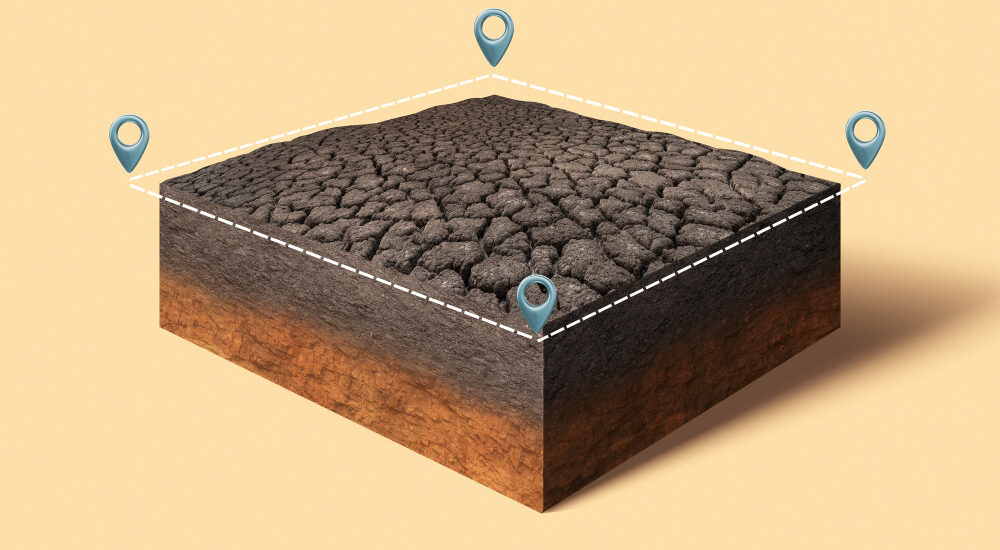
The South Asia geosynthetics market is entering a high-growth phase, driven by large-scale infrastructure investments, rising demand for durable construction materials, and increasing focus on soil stabilization across transport corridors. According to recent industry analysis, the market is projected to grow from USD 3.0 billion in 2025 to USD 7.6 billion by 2036, registering a strong CAGR of 8.7% during the forecast period.
Geosynthetics play a crucial role in modern civil engineering by enhancing soil strength, improving drainage, and ensuring long-term structural stability. As South Asian economies continue to expand their transportation, water management, and urban infrastructure networks, the adoption of geosynthetics is rapidly shifting from optional use to a mandatory engineering requirement.
With governments mandating performance-based construction standards and lifecycle cost optimization, geosynthetics are becoming a foundational component in infrastructure resilience strategies.
Discover Growth Opportunities in the Market – Get Your Sample Report Now https://www.futuremarketinsights.com/reports/sample/rep-gb-27162
Market Growth Drivers
Several macroeconomic and engineering-driven factors are accelerating demand for geosynthetics across South Asia. Governments and infrastructure agencies are prioritizing long-term durability and cost efficiency in civil projects.
Key growth drivers include:
- Rapid expansion of national highways and rural road connectivity projects
- Increasing adoption of soil stabilization and reinforcement technologies
- Rising investments in railway embankments and freight corridors
- Growing need for flood control and water retention infrastructure
- Government mandates promoting domestic technical textile usage
- Expansion of landfill, drainage, and coastal protection projects
Countries such as India and Bangladesh are witnessing strong demand due to extensive infrastructure programs and challenging soil conditions that require advanced reinforcement solutions.
Emerging Technology and Material Trends
Technological advancements are reshaping the geosynthetics landscape in South Asia. Manufacturers are focusing on high-performance materials that deliver durability, chemical resistance, and long lifecycle performance.
Polypropylene-based geosynthetics are gaining widespread adoption due to their superior resistance to chemical degradation and cost-effectiveness. These materials are extensively used in reinforcement, filtration, and separation applications.
Geotextiles remain the dominant product segment, offering unmatched versatility across road construction, erosion control, and drainage systems. Meanwhile, geogrids and geocells are increasingly being deployed in high-load infrastructure applications such as highways and railways.
Sustainability is also emerging as a key trend, with increasing emphasis on reducing material consumption, minimizing excavation requirements, and improving environmental performance.
Additionally, digital tools and engineering software are enhancing design precision, enabling optimized material selection and improved project outcomes.
Regional Market Insights
India Leads Regional Growth
India remains the largest and fastest-growing market, driven by strong government initiatives promoting domestic production and infrastructure expansion. National highway projects and rural road schemes are significantly boosting demand.
Bangladesh and Eastern South Asia
Bangladesh is witnessing strong adoption of geosynthetics due to flood control requirements and soft-soil stabilization needs. Increasing investments in climate-resilient infrastructure are further accelerating growth.
Western and Island Economies
Countries such as Pakistan, Sri Lanka, and Maldives are focusing on transport infrastructure upgrades and coastal protection projects. These regions are adopting advanced geosynthetic solutions for erosion control and land reclamation.
Competitive Landscape
The South Asia geosynthetics market is moderately fragmented, with both global and regional players competing through innovation, technical expertise, and contractor relationships.
Key companies operating in the market include:
Strata Geosystems, TechFab India, Maccaferri, Tensar, HUESKER, NAUE, and Solmax
Leading players are focusing on solution-based offerings, integrating engineering support, material innovation, and on-site technical assistance to strengthen their market presence.
Regional manufacturers are gaining competitive advantage by offering cost-effective solutions tailored to local soil conditions and project requirements.
Analyst Insight and Strategic Outlook
Industry analysts suggest that the future of the South Asia geosynthetics market will be shaped by infrastructure modernization, regulatory standardization, and technological innovation.
The increasing adoption of performance-based specifications is transforming procurement practices, shifting focus toward quality, durability, and certified materials.
Key trends expected to define the market include:
- Increased use of geosynthetics in transport and water infrastructure
- Standardization of engineering approval codes
- Growing adoption of high-strength polymer-based materials
- Expansion of domestic manufacturing capabilities
- Integration of advanced design and simulation tools
As infrastructure projects scale up across the region, suppliers with certified products, technical expertise, and local presence are expected to gain significant market share.
Future Opportunities
The South Asia geosynthetics market presents significant opportunities driven by rising infrastructure demand and environmental challenges.
Large-scale projects such as highways, railways, embankments, and coastal protection systems will continue to generate sustained demand for geosynthetic materials.
Opportunities are also emerging in:
- Flood control and water retention systems
- Railway trackbed stabilization
- Mountain slope reinforcement projects
- Coastal erosion and land reclamation initiatives
As governments emphasize sustainability and long-term performance, geosynthetics will play a critical role in shaping next-generation infrastructure.
Why FMI:
https://www.futuremarketinsights.com/why-fmi
About Future Market Insights (FMI)
Future Market Insights, Inc. (FMI) is an ESOMAR-certified, ISO 9001:2015 market research and consulting organization, trusted by Fortune 500 companies and global enterprises. With a strong global presence across the U.S., UK, India, and Dubai, FMI delivers data-driven insights and strategic intelligence across 30+ industries and over 1200 markets worldwide.
Contact Us:
Future Market Insights Inc.
Christiana Corporate, 200 Continental Drive,
Suite 401, Newark, Delaware – 19713, USA
T: +1-347-918-3531
For Sales Enquiries: sales@futuremarketinsights.com
Website: https://www.futuremarketinsights.com