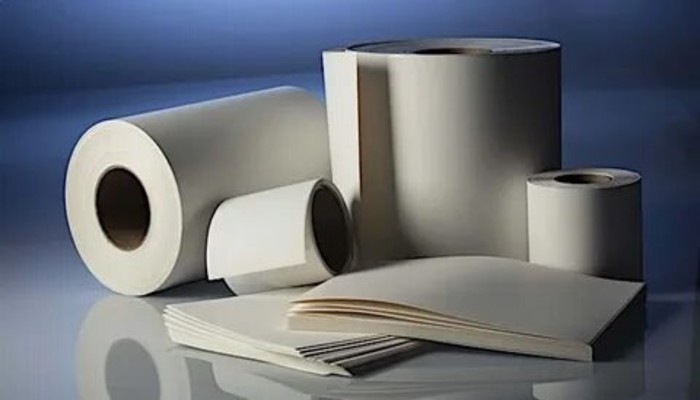
The global synthetic paper market is entering a new growth phase as industries increasingly shift toward durable, water-resistant, and sustainable alternatives to traditional paper. The market is projected to reach USD 1 billion by 2025 and is expected to grow at a CAGR of 5.2%, reaching approximately USD 1.7 billion by 2035, according to industry analysis by Future Market Insights.
Synthetic paper, primarily manufactured from polypropylene (PP) and polyethylene (PE), is gaining widespread adoption across packaging, labeling, printing, and outdoor advertising due to its durability, moisture resistance, tear resistance, and long lifespan compared to conventional wood pulp paper.
Discover Growth Opportunities in the Market – Get Your Sample Report Now
https://www.futuremarketinsights.com/reports/sample/rep-gb-12186
Durable Packaging and Labeling Demand Driving Market Expansion
One of the primary drivers behind the growth of the synthetic paper market is the rising demand for high-performance packaging and labeling materials across industries such as food and beverage, pharmaceuticals, chemicals, logistics, and retail.
Unlike conventional paper, synthetic paper can withstand harsh environmental conditions including moisture, UV exposure, chemicals, and abrasion. This makes it particularly suitable for applications such as:
- Durable product labels
- Shipping tags and logistics labels
- Outdoor signage and banners
- Maps and identification cards
- Anti-counterfeiting documents
- Packaging inserts and instruction manuals
The growth of e-commerce and global logistics has further accelerated demand for durable labels and shipping documentation, where traditional paper often fails due to moisture or rough handling during transportation.
Sustainability Trends Supporting Synthetic Paper Adoption
Environmental concerns are also playing a significant role in market expansion. Traditional paper production relies heavily on wood pulp, contributing to deforestation and high water consumption. Synthetic paper, however, can be produced using recyclable plastics and in some cases biodegradable materials, making it an attractive alternative for companies looking to reduce their environmental footprint.
Manufacturers are increasingly developing recyclable and eco-friendly synthetic paper materials, aligning with global sustainability goals and packaging regulations. Brands are actively seeking materials that combine durability with environmental responsibility, positioning synthetic paper as a strategic packaging material for the future.
Technology Advancements Expanding Application Scope
Advancements in manufacturing and printing technologies are significantly expanding the application scope of synthetic paper. Modern synthetic paper is now compatible with multiple printing technologies including:
- Offset printing
- Flexographic printing
- UV inkjet printing
- Digital printing
These advancements have enabled synthetic paper to enter commercial printing, advertising, retail branding, and premium packaging applications, where high print quality and durability are essential.
Asia Pacific Leads Global Synthetic Paper Market
Regionally, Asia Pacific dominates the global synthetic paper market, accounting for nearly 39.7% of the global market share. The region’s leadership is supported by strong manufacturing ecosystems in China and India, along with rapid growth in e-commerce and retail packaging demand.
Key regional market highlights include:
- Asia Pacific – Manufacturing hub and fastest-growing packaging market
- North America – High demand for premium labels and branding materials
- Europe – Sustainability regulations driving recyclable material adoption
- China & India – E-commerce growth boosting durable labeling demand
- Japan – Advanced material technology supporting innovation
The rapid expansion of online retail and logistics industries in Asia is significantly increasing demand for durable shipping labels and packaging materials, further strengthening the region’s market position.
Polypropylene Synthetic Paper Segment Leads Market
Among material types, polypropylene (PP)-based synthetic paper is expected to dominate the market, accounting for approximately 47.2% market share by 2025 due to its durability, flexibility, printability, and moisture resistance.
Additionally, the 200 to 400 microns thickness segment is expected to hold the largest share due to its optimal balance between flexibility and strength, making it suitable for labels, signage, and rugged packaging applications.
The labels and tags segment is projected to remain the largest application category, capturing around 29.1% market share, driven by demand from food, retail, logistics, and chemical industries.
Competitive Landscape and Industry Leaders
The synthetic paper market is highly competitive, with companies focusing on innovation, sustainability, and global expansion. Key companies operating in the market include:
Yupo Corporation, Cosmo Films Ltd., Avery Dennison Corp, Transcendia Inc., Arjobex SAS (Polyart), Nan Ya Plastics Corporation, Hop Industries Corporation, MGX Digital, Seiko Epson Corporation, LINTEC Corporation
These companies are investing heavily in R&D, recyclable materials, biodegradable synthetic paper, and high-performance printing grades to strengthen their market position.
Industry players are also expanding geographically and forming partnerships with packaging companies, label manufacturers, and printing technology firms to expand their customer base and application areas.
Analyst Outlook: Synthetic Paper to Become Strategic Packaging Material
Industry analysts believe synthetic paper will increasingly be viewed not just as a paper alternative, but as a strategic industrial material used in high-performance packaging, labeling, and security applications.
Key future opportunities include:
- Sustainable packaging materials
- Anti-counterfeiting labels
- Smart labels and RFID tags
- Durable outdoor advertising materials
- Premium packaging and branding materials
- Logistics and shipping labels for e-commerce
As global supply chains expand and packaging performance requirements increase, synthetic paper is expected to play a critical role in next-generation packaging and labeling solutions.
Future Outlook
The synthetic paper market is expected to witness steady growth over the next decade, driven by sustainability trends, growth in e-commerce logistics, premium packaging demand, and technological advancements in printing and polymer materials.
Companies that invest in recyclable synthetic paper, biodegradable materials, and high-performance printing compatibility are expected to gain a competitive advantage in the evolving packaging and labeling industry.
With increasing demand for durable, sustainable, and high-quality print materials, synthetic paper is emerging as one of the most promising specialty material markets within the global packaging and printing industry.
Why FMI: https://www.futuremarketinsights.com/why-fmi
About Future Market Insights (FMI)
Future Market Insights, Inc. (FMI) is an ESOMAR-certified, ISO 9001:2015 market research and consulting organization, trusted by Fortune 500 clients and global enterprises. With operations in the U.S., UK, India, and Dubai, FMI provides data-backed insights and strategic intelligence across 30+ industries and 1200 markets worldwide.
Contact Us:
Future Market Insights Inc.
Christiana Corporate, 200 Continental Drive,
Suite 401, Newark, Delaware – 19713, USA
T: +1-347-918-3531
For Sales Enquiries: sales@futuremarketinsights.com
Website: https://www.futuremarketinsights.com
LinkedIn| Twitter| Blogs | YouTube