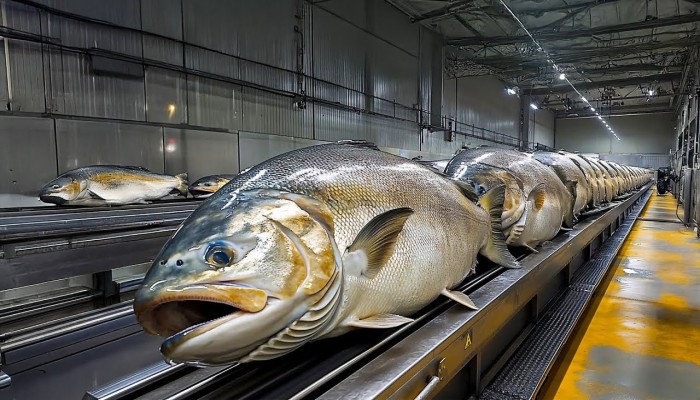
Fish processing is one of the world’s oldest industrial activities, rooted in humanity’s need to preserve aquatic food for consumption and trade. From early methods such as drying and salting to today’s sophisticated cold-chain systems, fish processing has evolved into a highly strategic, technology-driven industry. As global seafood demand rises and supply chains stretch across continents, both established players and new manufacturers are redefining how fish is harvested, preserved, processed, and delivered to consumers.
Fish Processing as a Commercial and Industrial Backbone
At its core, fish processing includes a range of activities associated with harvested fish and aquatic byproducts, all aimed at commercial distribution. Large organizations in the fish processing industry often control their own fishing fleets or aquaculture farms, giving them greater command over quality, volume, and logistics. For smaller and emerging manufacturers, partnerships with suppliers and cold-chain service providers are becoming critical for scaling operations.
One of the biggest challenges across the industry—regardless of company size—is minimizing spoilage. Fish is highly perishable, and the risk of rotting remains a persistent concern. Reducing waste is not only a profitability issue but also a sustainability imperative, pushing manufacturers to invest in better preservation technologies and smarter handling practices.
Core Fish Processing Operations and Value Creation
Fish processing can broadly be divided into fish handling and byproduct production. Preliminary processing typically includes freezing, filleting, chilling, and canning, all of which are designed to prepare fish for retail and foodservice markets. These processes add value by extending shelf life, improving convenience, and meeting diverse consumer preferences.
Byproduct utilization is also gaining importance, especially for manufacturers looking to improve margins and reduce environmental impact. Fish oils, meal, and other derivatives are increasingly used in pharmaceuticals, animal feed, and nutraceuticals, opening new revenue streams for both established processors and startups entering the market.
Aquaculture: Supporting Freshness and Supply Stability
Aquaculture has emerged as a cornerstone of modern fish processing, particularly in regions such as China, where it has been practiced for decades. By keeping fish alive until they reach optimal maturity for consumption, aquaculture improves freshness and reduces dependency on wild catches.
For manufacturers seeking expansion, aquaculture-backed processing offers greater predictability in supply and quality. It also allows processors to integrate farming, harvesting, and processing into a single operational model—an approach increasingly favored by large enterprises and ambitious new entrants alike.
Cold Chains and Logistics: The Backbone of Global Distribution
Modern fish processing relies heavily on temperature control, water management, oxygen regulation, and microbial load reduction. Chilled and frozen fish products are routinely transported over long distances, making cold-chain logistics a critical success factor.
Transport vehicles with advanced insulation, refrigerated containers, and real-time temperature monitoring systems are no longer optional—they are essential. Manufacturers investing in robust cold-chain infrastructure are better positioned to expand into export markets while maintaining product quality and compliance with international food safety standards.
Advancements in Fish Processing Technologies
Technological innovation is transforming the fish processing industry at a rapid pace. With over 90% of fish consumption historically concentrated in developed nations, the growing availability of processed fish products is now driving demand in developing markets as well.
Engineers and researchers are focusing on technologies that extend preservation time while enhancing aroma, flavor, texture, and visual appeal. Artificial intelligence is expected to play a growing role, from quality inspection and yield optimization to predictive maintenance and supply chain efficiency. These innovations are particularly valuable for new manufacturers aiming to compete with established brands through efficiency and product differentiation.
Quality, Packaging, and Consumer Trust
Quality remains central to fish processing, encompassing nutrition, safety, sensory appeal, and consistency. Beyond the product itself, guarantees, packaging innovation, and effective marketing systems play a critical role in building consumer trust.
Modern packaging solutions—especially those that enhance shelf life and traceability—are enabling processors to meet rising consumer expectations while supporting branding and premium positioning in competitive markets.
Clean Processing and Environmental Responsibility
Consumers worldwide are increasingly concerned about how seafood is processed and its environmental footprint. This has driven interest in clean fish processing systems and lifecycle impact analysis.
While traditional methods such as drying, salting, smoking, and canning remain relevant, newer approaches using controlled chemicals and electrical devices are being introduced to improve efficiency and reduce waste. However, fresh fish remains the foundation of all successful processing operations.
Government Support and Industry Growth
Governments recognize the importance of fisheries and fish processing to local economies and food security. Many have established processing laboratories, strengthened international regulatory collaboration, and relaxed foreign direct investment policies to boost exports.
These initiatives are creating opportunities for both established processors and new manufacturers to scale operations, adopt advanced technologies, and expand into global markets.
View the Full Report Here: https://www.futuremarketinsights.com/articles/tech-advancements-in-food-and-aquaculture-hold-key-to-fish-processing-harvest-and-sales