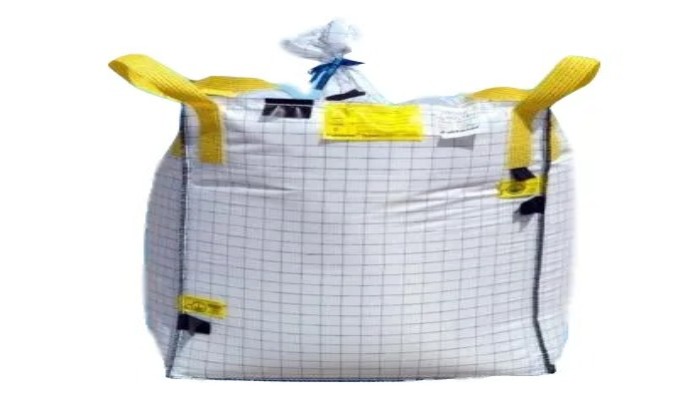
Bulk bags—also known as flexible intermediate bulk containers (FIBCs)—may look simple, but behind every woven sack lies a complex, global supply chain that has become increasingly fragile over the past five years. From resin price shocks to freight disruptions and tightening environmental regulations, the bulk bag industry is being forced to rethink how bags are sourced, designed, and reused.
For both established manufacturers and ambitious new entrants, this moment represents not just risk—but opportunity.
A Global Supply Chain Built on Concentration
Most bulk bags used in Europe and North America are made from polypropylene (PP) and produced in a relatively small group of countries, notably India, Bangladesh, Turkey, and China. This concentration creates efficiency in normal times, but it also means risk is heavily clustered in a few resin streams and shipping lanes.
The vulnerabilities became obvious during the pandemic. In the United States, polypropylene resin prices surged by nearly 180% between early 2020 and mid-2021. At the same time, global container freight rates in 2021 peaked at around four times pre-pandemic levels, driving bulk bag prices sharply higher and stretching lead times to unprecedented levels.
Crucially, the system has not returned to a 2018-style “normal.” According to UNCTAD and other observers, global shipping is now structurally more fragile, shaped by the war in Ukraine, Red Sea disruptions, longer trade routes, and recurring tariff waves. For bulk bag buyers, volatility has become the new baseline.
How the Bulk Bag Supply Chain Actually Works
Bulk bags typically hold 500 to 2,000 kilograms of dry, flowable materials such as grain, fertilizer, minerals, plastics, or construction aggregates. They sit at a critical junction—bridging silos, railcars, warehouses, and containers using forklifts and pallet trucks.
Upstream, everything starts with polypropylene resin produced by petrochemical complexes. Because packaging accounts for a significant share of global polypropylene consumption, even minor disruptions in resin supply quickly ripple through the cost base of woven fabric and bag manufacturing.
Midstream production is highly concentrated. Around 55% of large bulk bags used in the European Union are produced in India, with most of the remainder coming from Bangladesh, Turkey, China, and Eastern Europe. Roughly 90% of EU bulk bags are imported. In the United States, about 80% of large bulk bags are imported, mainly from China, India, Vietnam, and Latin America.
Downstream demand is broad but cyclical. Agriculture, food and feed, fertilizers, construction, mining, and chemicals all rely on bulk bags where paper sacks or rigid containers fall short. Food-grade and hazardous-goods applications add further complexity, requiring cleanroom-style production, electrostatic control, and certifications such as UN dangerous goods and HACCP—capabilities that only a subset of manufacturers can offer.
The result is a long, globalized chain that amplifies shocks rather than absorbing them.
Regulation and Sustainability Are Changing the Rules
Beyond economics, regulatory pressure is now reshaping bulk bag design and sourcing. The European Union’s Packaging and Packaging Waste Regulation requires that by 2030 all packaging placed on the EU market be recyclable, with rising recycling and recycled-content targets through 2040. Importantly, these rules apply to B2B transport packaging, bringing bulk bags firmly into scope.
At the same time, global plastic pollution initiatives led by UNEP emphasize reuse and return systems as a key solution. Packaging already accounts for about 40% of plastic use in Europe, making big bags a natural target for circular economy pilots.
Projects such as the Dutch big bag pooling initiative are experimenting with harmonized specifications, washing systems, and tracking technologies that allow bags to be reused multiple times before recycling—without compromising safety or contamination standards.
How Manufacturers Are Adapting
Established FIBC producers are redesigning bags around mono-material polypropylene, including loops, accessories, and even liners, to simplify recycling and improve recycled PP quality. Some suppliers have set explicit targets to ensure most of their big bags are “designed for recycling” by 2030, backed by real collection and recycling data.
Equipment manufacturers like Starlinger are supporting this transition with production lines capable of handling high levels of recycled polypropylene. Case studies from Turkey show that bulk bags with substantial recycled content can still meet the safety factors required for heavy industrial loads.
At the same time, newer manufacturers are entering the market with closed-loop collection schemes, digital traceability, and near-shore production models that appeal to buyers looking to reduce supply chain risk.
What This Means for Buyers—and the Market
Today, price alone no longer tells the full story. A lower-cost bulk bag that mixes polymers or uses hard-to-recycle liners may appear attractive, but it can become a liability once extended producer responsibility fees, recycling obligations, and internal sustainability targets are factored in.
As a result, large users are shifting toward multi-year contracts, dual sourcing strategies, and reuse or pooling models, particularly in Europe. Suppliers that can provide life cycle assessments, recyclability documentation, and proof of circular programs are no longer just selling bags—they are selling risk management and compliance.
Read the Complete Report for Full Insights: https://www.futuremarketinsights.com/articles/bulk-bags-after-the-shocks-how-the-supply-chain-really-looks-in-2025