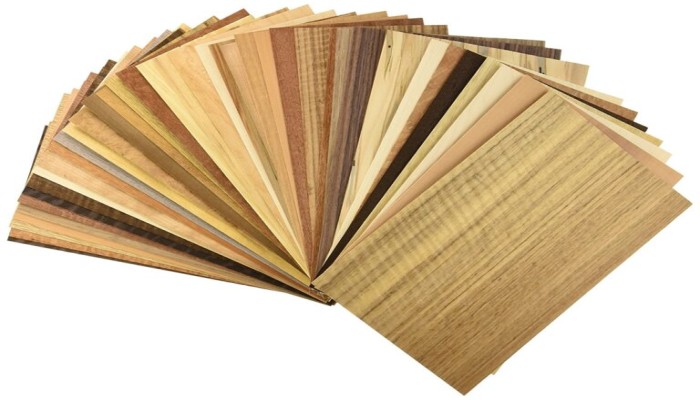
The global veneer sheets market is quietly but steadily carving out its growth path, driven by evolving design preferences, sustainability priorities, and continuous innovation in wood-based materials. With applications ranging from furniture and home décor to musical instruments and architectural interiors, veneer sheets have become a preferred choice for manufacturers and consumers alike. According to industry projections, the global veneer sheets market is expected to grow at a CAGR of 2.3% through 2031, reflecting consistent demand across residential and commercial sectors.
Understanding the Current Market Potential
Veneer sheets are widely valued for their ability to refresh and modernize furniture and interior spaces without the cost of solid wood. Their smooth finish, natural wood grain, and durability make them a go-to material for ceilings, cabinets, walls, and modular furniture. In recent years, rapid urbanization, rising housing construction, and renovation activities have significantly boosted demand.
Homeowners and developers increasingly prefer veneer sheets to achieve premium aesthetics while maintaining cost efficiency. This surge in residential and interior development projects continues to be a primary growth driver for the global veneer sheets market, creating opportunities for both established brands and new entrants.
Sustainability: A Defining Growth Catalyst
One of the strongest factors shaping the future of the veneer sheets market is sustainability. Eco-friendly veneer sheets are recyclable, biodegradable, and do not require specialized waste management systems. They can be repurposed into wood waste and reused for further production, making them an environmentally responsible material choice.
This sustainability advantage has caught the attention of manufacturers, architects, and business owners looking to reduce environmental impact while maintaining quality. As industries increasingly align with green building standards and circular economy models, veneer sheets are emerging as a cost-efficient and sustainable alternative, fueling long-term market growth.
Regulatory Challenges Shaping the Industry
Despite its growth potential, the veneer sheets market faces notable regulatory challenges. Governments and regulatory authorities enforce strict guidelines to ensure that wood products are manufactured without releasing harmful emissions. Compliance with standards such as the National Emission Standard for Hazardous Air Pollutants (NESHAP) is mandatory for producers.
While these regulations promote environmental responsibility, they can be complex and time-consuming, particularly for new manufacturers. Meeting emission control, sourcing, and production standards can slow market entry and discourage smaller players. However, companies that successfully navigate these regulations often gain credibility and a competitive edge in the global market.
Wood-Backed Veneer Sheets: Holding a Strong Market Share
Among product types, wood-backed veneer sheets continue to dominate the market. This segment accounts for nearly one-third of total revenue and is projected to hold approximately 32% of the market share by 2031. The popularity of wood-backed veneer sheets stems from the easy availability of raw materials and their versatility in manufacturing and design applications.
Industries favor wood-backed veneers for their adaptability, structural stability, and ability to meet both aesthetic and functional requirements. As furniture and interior design trends evolve, this segment is expected to remain a key revenue contributor.
Residential Sector Leads Market Demand
The residential sector holds the highest share, accounting for around 65% of the global veneer sheets market. This dominance is driven by increased construction of new homes, along with the renovation and refurbishment of older buildings. Veneer sheets enable modern furniture designs, modular installations, and customized interiors at an economical cost.
Manufacturers are increasingly adopting veneer sheets to meet consumer demand for stylish, durable, and affordable interior solutions. The flexibility in design and application makes veneer sheets especially attractive in residential projects.
Competitive Landscape: Innovation at the Core
The global veneer sheets market is characterized by a mix of established industry leaders and emerging manufacturers focused on expansion and technological advancement. Key players such as Greenlam Industries Ltd., Century Ply Ltd., Oakwood Veneer Company, Sauers & Company Veneers, and Herzog Veneers continue to invest in research and development to enhance product durability, finish quality, and sustainability.
At the same time, newer and regional manufacturers like Turakhia Overseas Pvt. Ltd., SR Wood Ltd., Pearlman Veneers, and Flexible Materials Incorporated are leveraging innovation, efficient sourcing, and niche design offerings to strengthen their market presence. These companies are increasingly adopting advanced processing technologies and eco-conscious manufacturing practices to compete on a global scale.
Looking Ahead
As demand for sustainable, aesthetically pleasing, and cost-effective wood solutions continues to rise, the veneer sheets market is poised for steady growth. Companies that balance regulatory compliance, sustainable practices, and innovation will be best positioned to expand their footprint and capture emerging opportunities. For manufacturers—both established and new—the veneer sheets market represents a space where tradition meets technology, and design meets responsibility.
Read the Complete Report for Full Insights: https://www.futuremarketinsights.com/articles/current-trends-in-the-global-veneer-sheets-market-some-key-questions