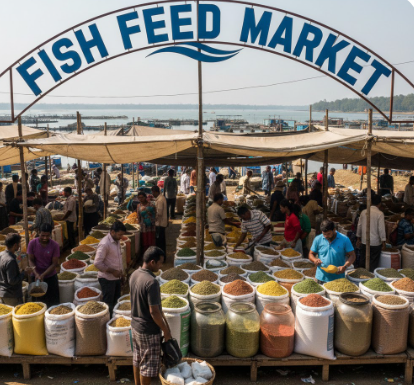
The fish feed market is entering an exciting phase of expansion, innovation, and strategic reinvention, according to the latest insights from industry analysts and market research trends. As the world’s appetite for seafood continues to grow, and sustainability becomes a priority for producers and consumers alike, both established players and emerging manufacturers are seizing opportunities to redefine how aquaculture is nourished for the future.
According to recent industry forecasts, the fish feed market is projected to grow significantly over the next decade, driven by rapid expansion in aquaculture, rising global protein demand, and innovation in feed formulation technologies. Traditional market estimates suggest potential multi-billion-dollar growth through 2035, underscoring the scale of the opportunity for manufacturers and investors everywhere.
A Market Fueled by Demand and Responsibility
The aquaculture sector has outpaced many traditional protein sources as a sustainable way to meet rising seafood demands worldwide. With aquaculture production now accounting for a large share of global fish output, the need for efficient, nutritious, and environmentally responsible fish feed has never been greater. Alternative protein sources, such as insect meal, algae protein, and single-cell proteins, are rapidly emerging to replace traditional fishmeal and fish oil — in response to sustainability challenges posed by overfishing and fluctuating raw material costs.
“The shift toward eco-friendly feed solutions isn’t just a trend — it’s a necessity,” says a leading industry analyst. “Consumers and regulators alike are demanding feeds that not only boost fish health and growth but also reduce ecological impact.”
Established Leaders Advancing Market Innovation
The fish feed market’s competitive landscape is anchored by a cadre of global leaders, each investing in R&D and strategic initiatives that shape the industry’s trajectory:
-
Cargill, Inc. has long been a cornerstone of aquaculture nutrition, blending deep supply chain capabilities with innovation in high-performance feed solutions.
-
Archer Daniels Midland (ADM) continues to expand its ingredient portfolio, integrating plant proteins and sustainable additives for optimized nutritional performance.
-
Skretting AS has been at the forefront of feed formulation science, producing millions of tonnes of feed annually while exploring new production technologies and global facility expansions.
-
BioMar Group has amplified its focus on functional feeds and disease resilience, mirroring broader industry investments in product performance and fish welfare.
-
Nutreco N.V., Alltech Inc., Biomin Holding GmbH, Ridley Corp. Ltd., and Sonac B.V. round out the group of established players pushing boundaries in quality, traceability, and formulation innovation.
These legacy manufacturers leverage global reach and capital strength to invest in automation, precision nutrition, and sustainable ingredient sourcing — essential pillars for future growth and competitive advantage.
Emerging Players and New Technologies Drive Market Dynamism
While the largest players maintain global scale, a dynamic cohort of emerging and regional manufacturers is reshaping niche segments of the fish feed market. Companies such as Zeigler Bros., Inc. cater to ornamental and specialty aquaculture species with high-quality, customizable feeds that appeal to specific market needs.
Beyond product diversification, new technologies are redefining how fish feed is developed, delivered, and monitored:
-
AI-Powered Nutrition Optimization: Machine learning and AI tools are now being used to tailor nutrient mixes for specific species, growth stages, and environmental conditions to improve conversion rates and minimize waste.
-
Precision Feeding Systems: Automated and sensor-enabled feeding machinery reduces overfeeding and improves water quality, helping farms lower costs and environmental footprints.
-
Alternative Proteins: Insect meal, algae-derived oils, and single-cell proteins are rapidly shifting from experimental ingredients to commercially viable solutions that protect wild fish stocks and enhance sustainability profiles.
These advancements create compelling new avenues for startups and technology firms to partner with traditional feed producers, fostering a collaborative ecosystem where innovation and experience intersect.
Opportunities and Challenges on the Horizon
Despite promising growth, key challenges persist. Volatile raw material prices, particularly for fishmeal and fish oil, continue to squeeze margins and compel manufacturers to diversify ingredients. Additionally, regulatory frameworks around feed additives and standards vary widely by region, creating complexity for companies operating across borders.
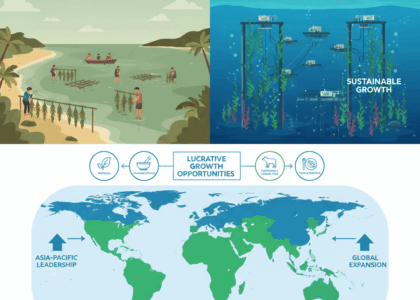
Yet within these challenges lie opportunities. The expanding use of recirculating aquaculture systems (RAS), demand for functional and medicated feeds, and growing markets in developing regions offer pathways for investment and expansion.
A Call to Innovate and Expand
“As aquaculture scales to meet the global population’s protein needs, the fish feed market stands at a pivotal crossroads,” said an industry spokesperson. “Established manufacturers and new entrants alike must prioritize sustainability, technology integration, and strategic collaboration to build a resilient and responsible future.
Get Full Report : https://www.futuremarketinsights.com/articles/fish-feed-market-opportunities-and-challenges