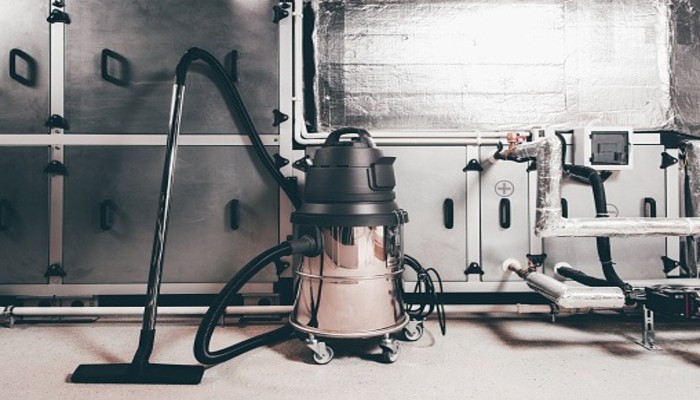
The industrial and professional cleaning equipment market is far bigger—and more complex—than many people realize. While dozens of brands compete in local and regional markets, three names consistently rise to the top on a global scale: Kärcher, Nilfisk, and Tennant. These companies are widely recognized as leaders in professional cleaning technology, operating across dozens of countries and serving some of the most demanding industrial environments in the world.
Industrial vacuum cleaners sit within this broader professional cleaning ecosystem. As a result, global groups tend to dominate large industrial tenders, multinational contracts, and highly regulated sectors. That said, the market itself remains highly fragmented, with hundreds of specialist manufacturers and regional players offering niche solutions, custom designs, and cost-competitive alternatives. This mix of established giants and agile newcomers is what makes the industrial vacuum sector both challenging and full of opportunity.
Why Brand Leadership in Industrial Vacuums Is About More Than Fame
One common misconception is that global brands win because they are “well known.” In reality, their advantage has very little to do with logos and everything to do with engineering depth, compliance, and long-term reliability.
In industries such as food processing, pharmaceuticals, metalworking, chemicals, and energy, industrial vacuums must handle hazardous dusts, combustible materials, and strict hygiene standards. Certifications like ATEX, food-grade compliance, and pharmaceutical documentation are not optional—they are mandatory. Kärcher, Nilfisk, and Tennant invest heavily in filter engineering, hazardous dust containment, and machine durability to meet these demands across multiple regulatory regions.
Buyers in these sectors are not paying only for a motor and a steel drum. They are paying for certified engineering, documented safety, system integration, and guaranteed uptime. This is why premium brands can maintain higher pricing even when lower-cost machines exist.
The Real Reasons Only a Few Brands Scale Globally
- Safety, Compliance, and Engineering Investment
Designing industrial vacuums for combustible dust, toxic powders, or hygienic production lines requires specialized R&D teams and constant certification updates. Nilfisk, for example, promotes dedicated machines for hazardous dust recovery and food and pharma applications, while Kärcher emphasizes advanced filtration and long service life for hazardous substances. For smaller manufacturers, matching this level of compliance across multiple countries is a significant barrier.
- Global Service Networks and Guaranteed Uptime
In an automotive plant or pharmaceutical facility, a vacuum system failure is a production issue, not a cleaning delay. Global manufacturers operate extensive service networks, spare-parts logistics, and on-site technical support. Tennant’s global footprint and Nilfisk’s dealer and subsidiary presence in over 100 countries signal their ability to support multi-year service contracts. Smaller brands may build excellent machines but often struggle to guarantee fast service and parts availability worldwide.
- System Integration and Product Platforms
Industrial vacuums are no longer standalone tools. They are increasingly part of centralized vacuum systems, dedusting installations, and integrated production lines. Nilfisk highlights centralized vacuum plants tied directly into process machinery, while Kärcher positions industrial vacuums alongside broader industrial dedusting solutions. Developing modular platforms with shared components and integration expertise naturally favors large engineering organizations.
- Capital, Automation, and R&D Cycles
The same companies leading industrial vacuums are also driving automation and digitalization in professional cleaning. Tennant has gained global attention for autonomous cleaning machines, and Nilfisk’s century-long investment in cleaning technologies continues to fuel smarter motors, battery platforms, and fleet management tools. These innovations spill over into industrial vacuums, creating smarter, more connected equipment that smaller players often cannot fund at scale.
Where New and Emerging Manufacturers Fit In
Despite the dominance of global leaders, the industrial vacuum market still offers room for new and expanding manufacturers. Regional specialists often succeed by focusing on niche applications, customized designs, competitive pricing, or emerging technologies. Many buyers actively seek alternatives for specific processes, smaller facilities, or localized service needs.
For manufacturers looking to expand internationally, the path forward increasingly involves technology partnerships, modular designs, digital monitoring, and targeted compliance strategies rather than competing head-to-head on brand recognition alone. Innovation in energy efficiency, smart sensors, and application-specific solutions can help newer players carve out sustainable positions.
The Future of Industrial Vacuum Technology
As industrial environments become more automated and regulated, demand will continue to grow for vacuums that offer safety, integration, data visibility, and long-term support. Established global brands will remain dominant in large tenders, but emerging manufacturers that invest in technology, certifications, and service capabilities can still scale—especially by solving problems the giants have not fully addressed.
View the Full Report Here: https://www.futuremarketinsights.com/articles/industrial-vacuum-cleaners-do-two-or-three-brands-really-run-the-show