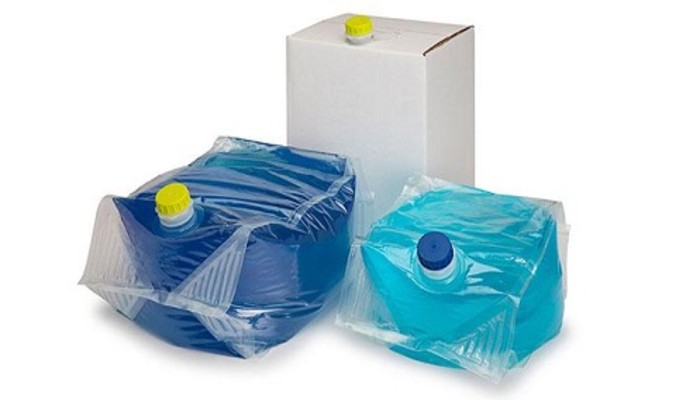
The demand for bag-in-box (BIB) fillers in the United States is entering a sustained growth phase, supported by expanding use of flexible packaging across beverage, food, and industrial liquid markets. According to the latest industry outlook, the U.S. bag-in-box filler market is projected to grow from USD 1.1 billion in 2025 to USD 1.7 billion by 2035, registering a compound annual growth rate (CAGR) of 4.8% over the forecast period.
Bag-in-box fillers play a critical role in the efficient packaging of liquids such as wine, juices, sauces, syrups, dairy alternatives, and industrial fluids. Their ability to deliver precise filling, reduced product loss, and hygienic handling makes them a preferred solution for manufacturers seeking scalable and cost-effective liquid packaging systems.
Quick Market Snapshot: USA Bag-in-Box Filler Industry
- Market Value (2025): USD 1.1 billion
- Forecast Value (2035): USD 1.7 billion
- Forecast CAGR (2025–2035): 4.8%
- Leading Automation Type: Automatic systems (64% share)
- Dominant Filling Technology: Aseptic filling (58% share)
- Key Growth Regions: West USA, South USA, Northeast USA, Midwest USA
Request Your Sample Now – Unlock Growth Potential and Discover Key Market Opportunities!
Flexible Packaging Adoption Continues to Reshape Liquid Filling Demand
The steady rise in demand for bag-in-box fillers closely mirrors the broader shift toward flexible packaging formats in the U.S. Packaging producers and brand owners increasingly favor bag-in-box solutions over rigid containers due to their lower material usage, reduced shipping weight, and improved storage efficiency.
In beverage packaging—particularly wine, fruit juices, concentrates, and syrups—bag-in-box formats are gaining traction for their extended shelf life and controlled dispensing capabilities. Food processors are also adopting BIB systems for sauces, edible oils, and dairy-based beverages, while industrial sectors rely on the format for chemicals, cleaning solutions, and bulk liquids.
These application trends directly translate into rising investments in reliable and high-throughput bag-in-box filling equipment.
Market Growth Outlook: Gradual Early Gains, Stronger Momentum After 2030
From 2025 to 2029, the U.S. bag-in-box filler market is expected to show consistent, moderate expansion. Demand is forecast to rise from USD 1.1 billion in 2025 to approximately USD 1.3 billion by 2029 as flexible packaging adoption steadily increases across food and beverage operations.
The second half of the forecast period (2030–2035) is anticipated to deliver stronger growth, with the market reaching USD 1.7 billion by 2035. This acceleration will be driven by:
- Wider adoption of sustainable packaging solutions
- Continued automation of filling lines
- Innovation in bag materials, fitments, and aseptic technologies
- Expansion of bag-in-box packaging beyond beverages into industrial liquids
Automation and Aseptic Technology Lead Equipment Demand
Automation is a defining factor shaping purchasing decisions in the U.S. bag-in-box filler market. Automatic systems account for 64% of total demand, reflecting manufacturers’ focus on speed, accuracy, and labor efficiency.
Key advantages of automatic BIB fillers include:
- High throughput for large-scale production
- Reduced manual handling and contamination risk
- Consistent fill volumes and sealing integrity
- Lower long-term operational costs
Meanwhile, aseptic filling dominates the filling technology segment with a 58% market share. Aseptic systems are critical for shelf-stable beverages, sauces, and dairy alternatives, allowing products to be distributed without refrigeration while maintaining safety and quality. As consumers increasingly seek preservative-free and minimally processed products, aseptic bag-in-box fillers are becoming essential equipment investments.
Regional Demand Highlights Across the United States
Regional growth patterns reflect differences in industrial activity, beverage production, and sustainability priorities:
- West USA (CAGR 5.6%)
Leads the market due to strong wine, juice, and beverage manufacturing, combined with high sustainability awareness and growing e-commerce logistics. - South USA (CAGR 5.0%)
Benefits from a robust agricultural base and expanding food and beverage manufacturing, driving demand for bulk and cost-efficient liquid packaging. - Northeast USA (CAGR 4.5%)
Supported by a diverse mix of food, beverage, chemical, and pharmaceutical industries, with strong emphasis on eco-friendly packaging. - Midwest USA (CAGR 3.9%)
Shows steady growth anchored in agriculture, dairy processing, and manufacturing, where efficiency and waste reduction remain priorities.
Drivers, Challenges, and Emerging Trends
Key drivers supporting market growth include:
- Expansion of food and beverage production volumes
- Rising demand for sustainable and lightweight packaging
- Growth of private label and bulk liquid products
- Advancements in hygienic and automated filling technology
Market restraints include:
- High upfront cost of automated filling equipment
- Limited suitability of BIB packaging for certain products
- Maintenance and cleaning complexity for aseptic systems
Notable trends shaping future demand:
- Broader use of bag-in-box beyond beverages
- Increased automation and smart filling solutions
- Stronger focus on waste reduction and logistics efficiency
Competitive Landscape: Focus on Speed, Reliability, and Integration
The U.S. bag-in-box filler market remains competitive, with suppliers differentiating on throughput, hygiene standards, system flexibility, and end-to-end packaging solutions.
Key players operating in the U.S. market include:
- A TriMas Company
- Linapack
- TORR Industries
- Smurfit Kappa
- Frain Industries
These companies support both large-scale manufacturers and mid-sized producers by offering automated and semi-automated fillers, aseptic systems, and integrated bag-in-box packaging lines.
Why FMI: https://www.futuremarketinsights.com/why-fmi
About Future Market Insights (FMI)
Future Market Insights, Inc. (FMI) is an ESOMAR-certified, ISO 9001:2015 market research and consulting organization, trusted by Fortune 500 clients and global enterprises. With operations in the U.S., UK, India, and Dubai, FMI provides data-backed insights and strategic intelligence across 30+ industries and 1200 markets worldwide.
Contact Us:
Future Market Insights Inc.
Christiana Corporate, 200 Continental Drive,
Suite 401, Newark, Delaware – 19713, USA
T: +1-347-918-3531
For Sales Enquiries: sales@futuremarketinsights.com
Website: https://www.futuremarketinsights.com
LinkedIn| Twitter| Blogs | YouTube