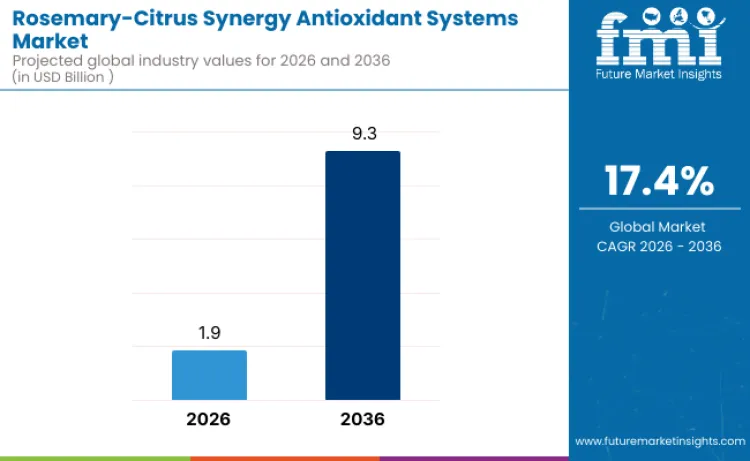
The global rosemary–citrus synergy antioxidant systems market is entering a period of unprecedented growth, fueled by rapid adoption among food, beverage, nutraceutical, and personal care manufacturers seeking natural, high-performance preservation solutions. Valued at USD 1.9 billion in 2026 with forecasts projecting a rise to USD 9.3 billion by 2036, the industry is on track for transformative expansion driven by innovation, technology, and strategic partnerships across regions.
At the core of this growth is a new generation of synergistic antioxidant systems that combine the polyphenol-rich extracts of rosemary with citrus bioflavonoids and terpenes. These blends offer superior oxidative protection compared with traditional single-source or synthetic antioxidants, delivering enhanced stability for oils, emulsions, snacks, meat products, and functional formulations—without compromising flavor or clean-label credentials.
Manufacturers worldwide are embracing this botanical synergy, integrating advanced extraction technologies and optimized formulations to meet evolving regulatory, sensory, and performance criteria. In doing so, they are redefining how natural antioxidants are used across a broad range of industrial applications—from shelf-life extension in high-fat foods to functional beverage stabilization and premium skincare protection.
Established Leaders Drive Innovation and Market Standards
Long-standing industry players are leading the charge in developing and standardizing rosemary–citrus synergy antioxidant technologies. Companies like Kalsec, Naturex (part of Givaudan), Frutarom (under IFF), FLAVEX Naturextrakte, and Nexira are setting benchmarks for product quality, extraction consistency, and application versatility. By leveraging state-of-the-art processes such as supercritical CO₂ extraction, cold-press technologies, and controlled fractionation, these firms are delivering antioxidant systems with predictable performance across diverse formulation platforms.
Kalsec, in particular, has established a strong foothold in food oxidation control solutions, with its stabilized rosemary and citrus systems gaining traction with global food processors. Naturex continues to refine its extract portfolio to serve both flavor and preservation needs, while Frutarom and FLAVEX focus on customizable blends tailored for beverages, nutraceuticals, and clean-label product lines. Nexira’s plant-based antioxidant complexes further underscore the market’s transition toward multifunctional botanical ingredients.
These established manufacturers are not only expanding existing product offerings but also investing in research and formulation support services to help brands integrate natural antioxidant systems with minimal disruption to production workflows. Their efforts have been instrumental in driving mainstream recognition of rosemary–citrus synergy antioxidants as credible alternatives to synthetic preservatives.
To access the complete data tables and in-depth insights, request a sample report here
Emerging Players and Technology Innovators Expand the Ecosystem
Alongside traditional leaders, a new cadre of emerging manufacturers and regional innovators is accelerating market growth. Smaller specialty firms and ingredient startups are entering the space with differentiated technologies that target specific formulation challenges. For example, companies focusing on water-soluble antioxidant concentrates, citrus terpene fractionation, and high-potency bioflavonoid concentrates are expanding the palette of solutions available to formulators. This diversification enables more precise tailoring of antioxidant performance to match the demands of beverages, emulsions, and high-temperature processing environments.
Innovation is also evident in microencapsulation techniques, which enhance solubility and stability of botanical antioxidant complexes in aqueous systems—a long-standing challenge for natural extract applications. Coupled with digital tools for traceability and quality assurance, these advancements are creating new opportunities for manufacturers looking to differentiate their offerings.
Growth Across Regions and Applications
Geographically, Asia Pacific—including China and India—has emerged as a powerful engine of demand, propelled by rising interest in clean-label products, expanding functional food categories, and increasing investment in natural ingredient extraction infrastructure. North America and Japan continue to show strong momentum, underpinned by consumer preference for natural shelf-life solutions and high-quality antioxidant systems in both food and personal care segments.
Across application sectors, meat, poultry, and seafood processing represent one of the largest users of rosemary–citrus synergy antioxidants due to the acute need for lipid oxidation control. At the same time, functional foods, dietary supplements, and cosmetic formulations are embracing these systems to provide enhanced stability while supporting product claims aligned with health and wellness trends.
Outlook and Strategic Implications
As consumer scrutiny of artificial additives intensifies and regulatory frameworks favor natural alternatives, rosemary–citrus synergy antioxidant systems are rapidly becoming a cornerstone technology for next-generation preservation. Brands that adopt these systems early—not just as technical replacements but as strategic differentiators—stand to benefit from improved product performance, stronger consumer trust, and expanded market reach.
With double-digit growth projected well into the next decade, companies that invest in innovation, build robust supply chains, and foster collaborative relationships with extract producers and formulation experts will be best positioned to lead in this evolving landscape.